The California Gold Rush is often remembered as a story of fortune and adventure, but the reality was far more brutal. Most prospectors who traveled west went home broke, if they made it home at all. Violence was routine, the environment was devastated, and entire communities were destroyed. Here are 21 truths about the Gold Rush that Hollywood usually leaves out.
John Sutter owned a massive empire in California, complete with land, cattle, and a new mill. In January 1848, a worker found shiny stones in the creek. It was gold. Sutter tried to keep it a secret, but word spread quickly. More than 300,000 people flooded onto his land, stealing his cattle and wrecking his crops. Sutter died poor, spending his final years trying to get compensation from the government. He never received a cent.
The miners came from everywhere. Farmers from Missouri, fishermen from Boston, and immigrants from China all chased the same dream. The method was simple: stick your hands in icy mountain water and pan gravel all day. The water came straight from Sierra Nevada snowmelt, cold enough to make fingers go numb in minutes. Many worked soaking wet from sunrise to sundown. Hypothermia killed more prospectors than fights or accidents.
In 1850, around 20,000 Chinese people crossed the Pacific to join the rush. They worked just like any other miner, digging and building canals. But the California government created a special fee called the foreign miners tax, which applied almost exclusively to them. It cost $20 a month, a fortune when a regular worker made about a dollar a day. It was a legal way to push those people out of the mines.
San Francisco in 1849 was total chaos. The city jumped from 1,000 to 25,000 people in just 12 months. Sailors ditched their ships in the harbor to run to the mines, and those abandoned boats turned into hotels, warehouses, and makeshift jails. The city burned down six times in a few years because the buildings were all wood and canvas. Every fire wiped everything out, and they rebuilt even faster.

The law couldn't keep up with the pace of the rush. Towns popped up with no sheriff, no judge, and no order. Thieves took advantage of the chaos, so groups of citizens formed vigilance committees. They arrested suspects, held quick trials, and carried out sentences on the spot, often by hanging. In San Francisco, the 1856 committee grew to thousands of members and publicly executed several men. Some say they kept order; others argue it was lynching dressed up as justice.
At the height of the rush, there was only one woman for every 20 men in the camps. Some women realized they didn't have to mine to get rich. Cooks charged fortunes for simple meals, and others earned gold nuggets just for dancing a waltz with lonely miners. Many of them built up more wealth than the miners who spent months digging in the dirt.
In the 1860s, miners figured out they could use huge water cannons to blast gold out of hillsides. The problem was that all the mud and rock poured into valleys, clogged rivers, and wrecked farms. Whole towns got hit with terrible flooding. Farmers took the issue to court, and in 1884, a judge finally banned the practice. It was one of the first times the U.S. government stopped an industry because of environmental damage.
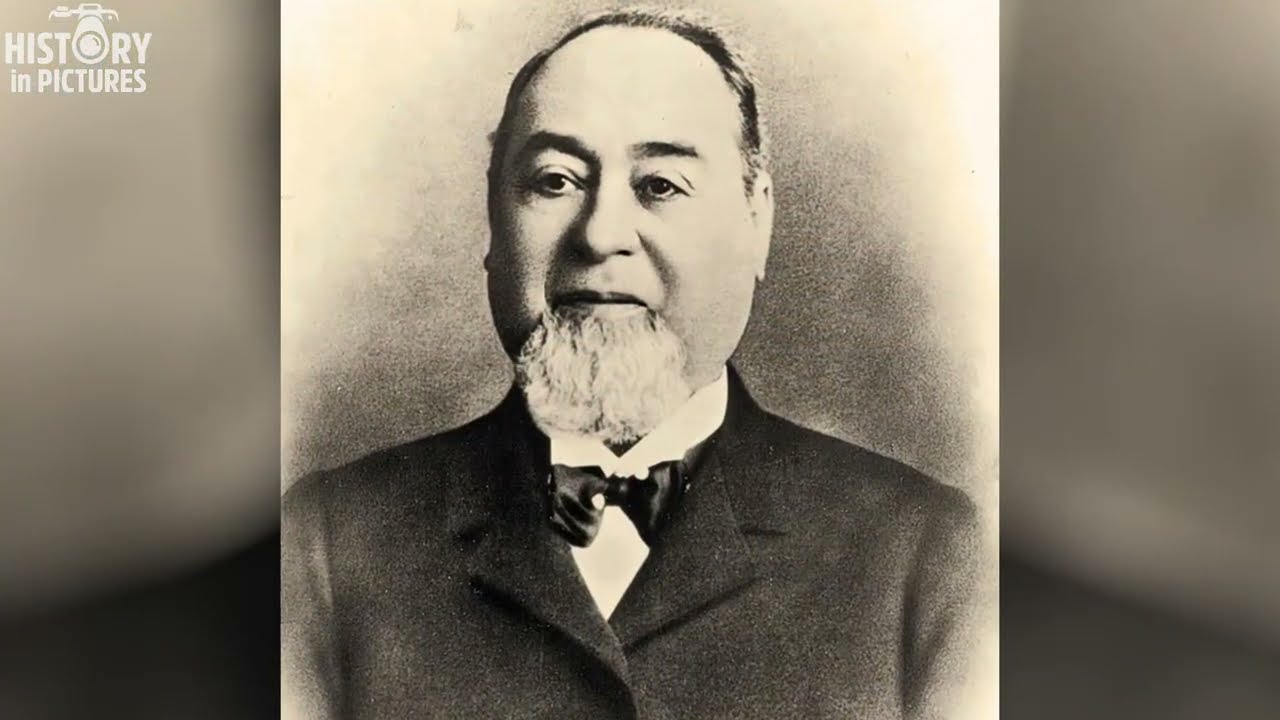
Levi Strauss arrived in California in 1853. While thousands were digging holes, this German immigrant noticed miners were wrecking their pants in weeks. He started making pants from tent canvas, then switched to denim. In 1873, his partner Jacob Davis suggested adding metal rivets to the pockets. That simple fix created the most worn piece of clothing in history. Strauss never found a single gold nugget, but he built something that's still around today.
Before the long tom, prospectors spent all day crouched over with a pan. Then this wooden trough with running water and slats showed up. One guy with a pan might process a few buckets of dirt a day. With a long tom, a small group could handle tons. The prospectors who got there first and used this technology grabbed most of the easy gold. The ones who showed up later found the best spots already picked clean.

There are more than 500 ghost towns scattered across the American West. When the gold ran out, people just left and abandoned everything. Bodie, California, is a perfect example. In the 1860s, it grew to almost 10,000 residents. When the gold dried up, the population vanished within a few years. The houses, shops, and even dishes on the tables were left exactly where they were. The government keeps it in a condition called arrested decay.
Thousands of free Black men headed to California just like everyone else. Some arrived early and found good areas to mine, and a few even got rich. But the state created a special mining fee for non-white people, and an 1850 law banned Black people from testifying against white people in court. If a white man stole all the gold from a Black miner, the victim couldn't even speak up in court. Many lost everything they had built.
In 1898, gold was discovered in the Klondike territory near Alaska. Around 100,000 people dropped everything to try their luck. To get there, they had to face the Chilkoot Pass, a brutal climb at a 33-degree angle in the middle of an arctic winter. Guys hauled almost a ton of supplies on their backs because Canadian police required it. Many died from exhaustion or avalanches. Out of the 100,000 who started, only 30,000 made it, and most found absolutely nothing.
When gold showed up in 1848, nobody asked native peoples if they were okay with it. Prospectors tore up hillsides, diverted rivers, and used mercury that poisoned the water. California's indigenous population crashed from around 150,000 to under 30,000 in just two decades. Many died from disease, others from hunger, and some were forced out at gunpoint. This side of the Gold Rush rarely shows up in western movies.
In 1854, a miner in California found a 195-pound gold nugget, about the weight of a grown man. Hundreds of huge nuggets were found back then, and most were melted down into bars. Almost none survived intact. Experts estimate that nugget would be worth around 4 to 5 million dollars today. Big nuggets like that are worth even more than their weight in gold because collectors will pay a fortune for them.
Old West saloons weren't just bars; they were traps. Games like Monte and Pharaoh ran all night long, and the owners knew exactly what they were doing. Dealers were pros who traveled from town to town, emptying the pockets of exhausted miners. Gold that took weeks to find was gone in hours. A big chunk of the wealth pulled out of California ended up in the hands of professional gamblers.
Between 1875 and 1883, a masked thief terrorized Wells Fargo in California. Charles Bolton, known as Black Bart, robbed stagecoaches alone, always on foot, and never fired a single shot. He left signed poems at the crime scenes. There were 28 successful robberies during the final stretch of the Gold Rush. He got away for eight years before being captured because of a dumb mistake: a handkerchief with a laundry mark.
In 1850s California, more miners died fighting over land than finding gold. There wasn't any real law in those camps. A guy would drive a stake into the ground and claim the land, but if another guy showed up with a bigger gun, the story changed fast. Shootouts became routine. Makeshift courts settled cases in minutes, and sometimes the loser got kicked out or hanged right on the spot.
In 1852, Henry Wells and William Fargo started a company to solve a serious problem: how to move gold from the mines without losing it to bandits. They built steel safes so tough they became legendary. Wells Fargo stagecoaches hauled fortunes along dangerous trails protected by guards with shotguns. The company also opened banks where miners could store their nuggets safely. Many of the original safes were never cracked.
Miners used liquid mercury to separate gold from dirt. That heavy metal went straight into California's rivers and creeks. In the 1860s, communities noticed fish showing up dead along the banks. Miners who worked with mercury started having tremors, memory loss, and strange behavior. Tons of this poison were dumped into the environment during those years of gold fever.
Not everyone who showed up came to chase gold honestly. Many Australians who landed in San Francisco in the 1850s were ex-cons shipped from England to penal colonies. They formed gangs called the Sydney Ducks and specialized in arson. They'd set whole blocks on fire and loot in the middle of the chaos. Things got so bad that regular citizens formed vigilante committees to take justice into their own hands.
Around 1860, the gold just ran out. Thousands of men who dropped everything to get rich woke up one day and realized there was nothing left to dig for. The mountains were full of holes, the rivers were wrecked by mercury, and the land wasn't good for anything anymore. Many went back home empty-handed. Others stayed and became farmers because they didn't have a choice. The American West changed forever, but the cost was high.