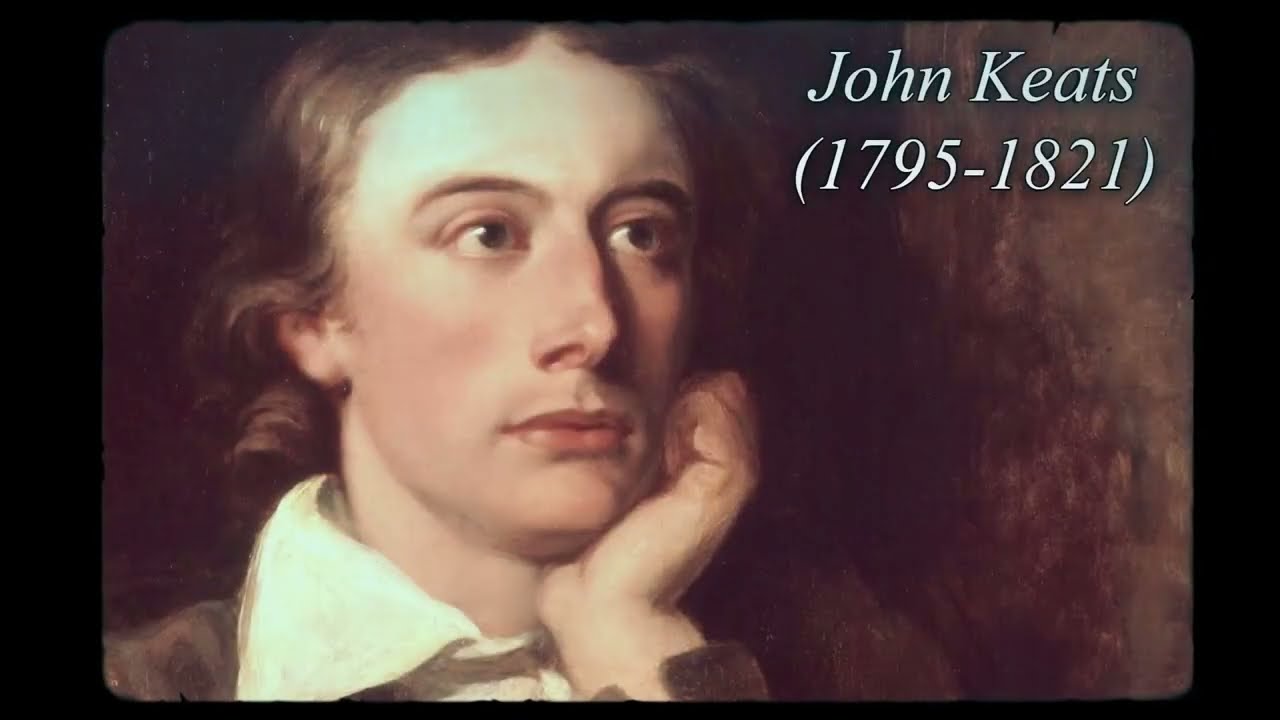
Wilfred Owen was born on March 18, 1893, in Oswestry, a market town near the Welsh border. He grew up in a modest, devout household that valued education and literature. From a young age, he showed a deep sensitivity and a fascination with poetry, and his early work reflected a conventional romantic style influenced by John Keats.
Before the war, Owen worked as a tutor in France, where he refined his language skills and quietly pursued literary ambitions. Nothing in those early years suggested he would become the defining poetic voice of industrial warfare. Yet, like countless other young men of his generation, he was eventually drawn into conflict.
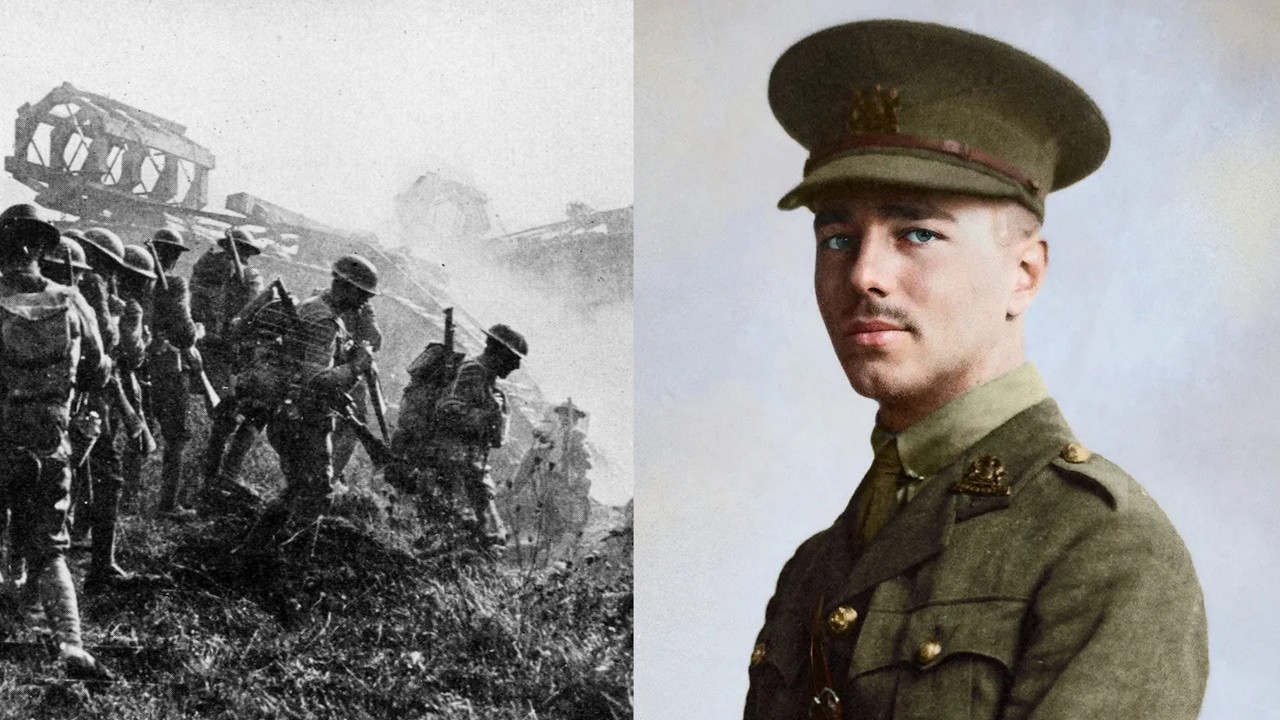
Although initially uncertain about military service, Owen enlisted in the British Army on October 21, 1915, at the age of 22. What awaited him was not the noble contest imagined in patriotic rhetoric. The Western Front had become a laboratory of mechanized destruction, where tens of thousands could be killed in a single day.
Within months of arriving at the front in early 1917, Owen was thrown into the air by a shell explosion. He was left concussed, disoriented, and trapped in a crater alongside the shattered remains of a fellow officer. Prolonged exposure to relentless artillery fire gradually eroded his mental and physical stability, and the mounting strain led to a diagnosis of shell shock, resulting in his evacuation from the front.
In 1917, he was admitted to Craiglockhart War Hospital in Edinburgh, an institution treating officers suffering from psychological trauma. While there, he met fellow British officer Siegfried Sassoon, who was already a published poet and outspoken critic of the war's leadership. Sassoon's influence proved transformational for Owen, who was encouraged to write with unflinching realism about the brutal truths of combat.
In one of his most famous poems, *Dulce et Decorum Est*, Owen described a gas attack not as heroic sacrifice, but as chaos and suffocation. The poem concludes by dismantling the ancient assertion that dying for one's country is glorious. For him, the war's defining characteristic was not honor, but grief.
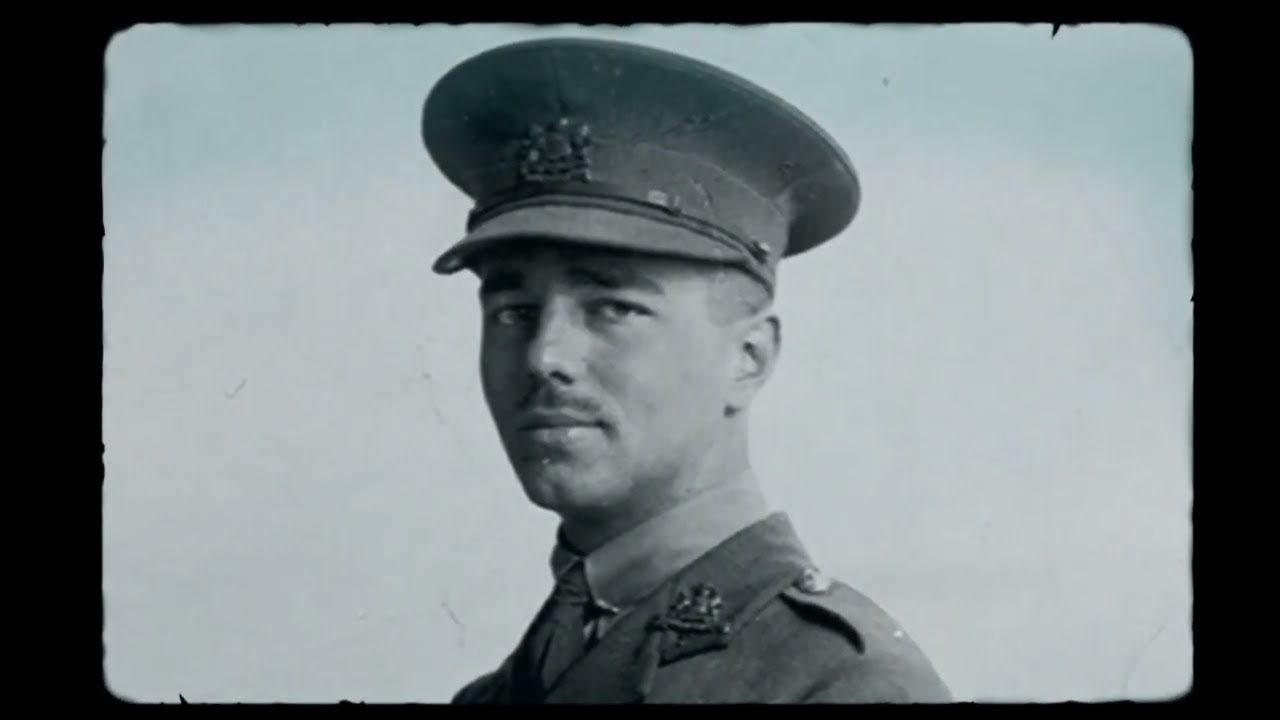
Despite his disillusionment, Owen returned to active service in 1918. By this time, the conflict was in its final phase, but the fighting remained intense. In October, during the Allied advance near Joncourt, he was awarded the Military Cross for conspicuous gallantry and leadership after taking command of his unit under heavy fire and successfully resisting a counterattack.
On November 4, 1918, at just 25 years old, he was killed in action during the crossing of the Sambre-Oise Canal, only one week before the armistice was signed. He was laid to rest at Ors Communal Cemetery in northern France.
At the time of his death, only a small number of his poems had appeared in print. After the war, Sassoon and other editors collected and published his work, bringing it to wider public attention. His poems were first published in a collected edition in 1920, with expanded editions appearing from 1931 onwards.
Over the coming decades, Owen's reputation grew steadily, and he is now regarded as one of the most influential war poets in English literature. Today, in Westminster Abbey, Owen is honored alongside 15 other notable poets of the Great War. His name is etched on a memorial stone inscribed with his words: "My subject is war and the pity of war. The poetry is in the pity."