Semyon Nomokonov rose from a remote Siberian hunting life to become one of the most effective snipers of the Second World War. Serving in the Soviet Red Army, he was credited with 367 confirmed kills. German troops reportedly knew him as the Tiger Shaman, a name reflecting his ability to vanish into the landscape and strike without warning.
Nomokonov was born on August 12th, 1900, in the settlement of Delyun in the Transbaikal region of Siberia. He belonged to the Evenk people, an indigenous Tungusic ethnic group native to the forested tiger regions of Eastern Siberia and the Mongolia-Russia borderlands. Their traditional way of life centered on hunting, tracking, and seasonal movement across remote wilderness.
From a young age, he learned to track animals across vast distances and endure harsh environmental conditions. He first handled a rifle at around seven years old and quickly developed into a highly skilled hunter. Pursuing sable, elk, and Manchurian wapiti through the wilderness, he became known locally for his exceptional marksmanship.
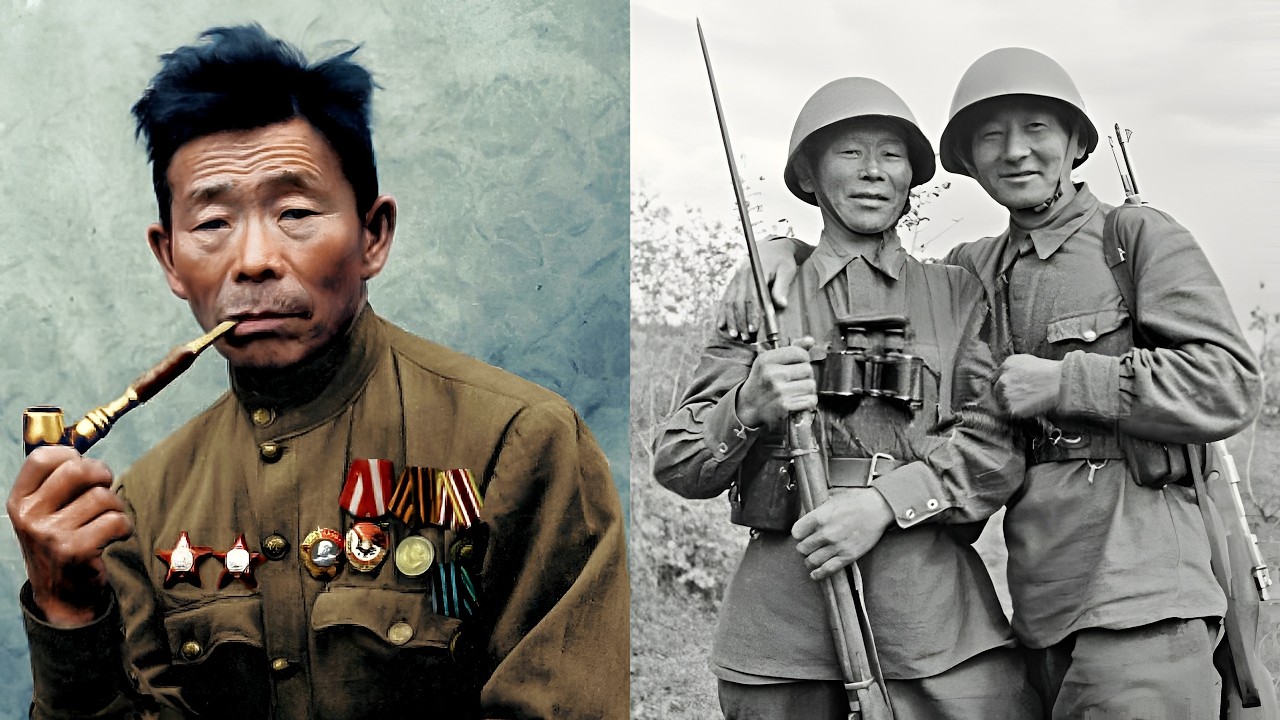
By early adulthood, he had married and started a family. Working as a hunter and carpenter, he lived a largely isolated rural life, far removed from the political and industrial centers of the Soviet Union.
When Germany launched Operation Barbarossa in June 1941, Nomokonov was already 41 years old. He entered military service in August as the Soviet Union mobilized millions of citizens for the war effort. Due to his age, limited literacy, and lack of formal military training, he was initially assigned to non-combat duties, which included transporting supplies and assisting the wounded.
His emergence as a sniper occurred unexpectedly during operations on the Northwestern Front later that year. According to one account, while evacuating a wounded comrade, he spotted a German infantryman preparing to fire and killed him with a single shot. Soviet officers quickly recognized that the lifelong hunter possessed extraordinary natural ability, and he was reassigned to a sniper unit.
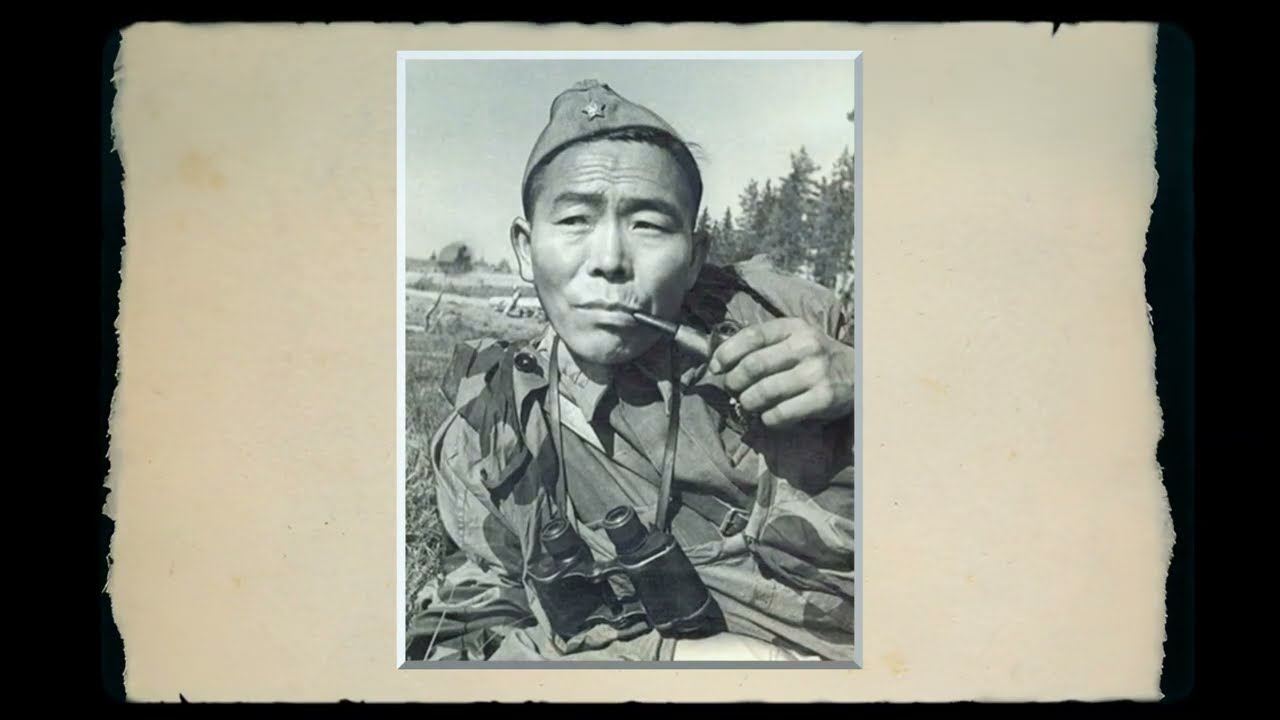
Unlike many specialist marksmen, Nomokonov initially operated without a telescopic sight. Armed with a standard Mosin-Nagant rifle, he relied on shooting skills developed over decades in the Siberian wilderness. Using branches and native vegetation, he constructed concealed firing positions that blended into the terrain. This allowed him to remain hidden for extended periods while patiently observing the battlefield.
Early in his service, he began recording confirmed kills by carving tally marks into his smoking pipe, an item he was rarely seen without. As his battlefield record expanded, he served across numerous sectors of the Eastern Front, including the Valdai Heights, the Karelian Isthmus, Ukraine, Lithuania, and East Prussia.
The harsh conditions of these campaigns tested even the most experienced soldiers. Nomokonov repeatedly demonstrated extraordinary endurance and adaptability. Throughout the war, he was wounded at least eight times and suffered two severe blast concussions from artillery and mortar explosions.
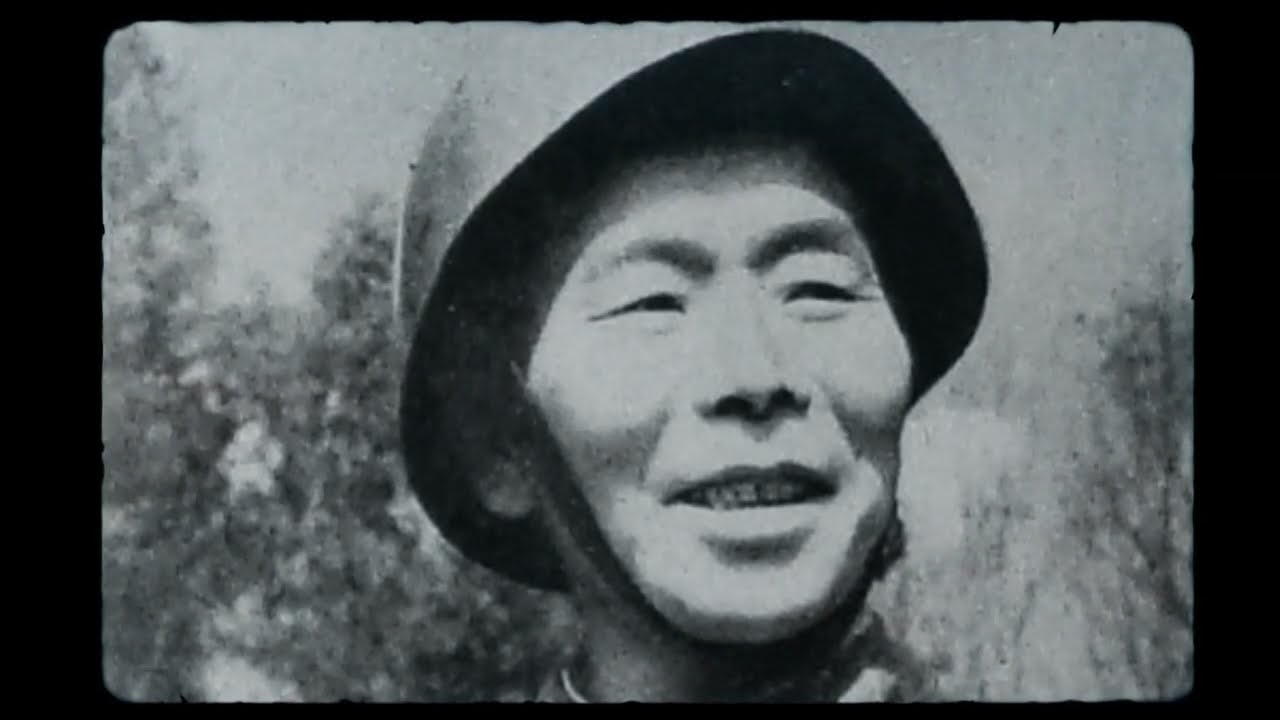
By the end of the conflict, Soviet records credited him with eliminating 360 German soldiers and officers. He also recorded seven kills against Japanese soldiers during the Soviet invasion of Manchuria in August 1945. This placed him among the most successful snipers in military history.
Beyond his own combat achievements, he served as an instructor, training more than 150 Soviet snipers. In formal recognition of his service, he received numerous decorations, including the Order of Lenin, the Order of the Red Banner, two Orders of the Red Star, and the Medal for Battle Merit.
Following the defeat of Germany and Japan, Nomokonov returned to Siberia in late 1945 and resumed civilian life. He continued working as a carpenter and hunter, preferring a quiet existence despite the recognition that came with his wartime accomplishments. Those who knew him in later life described a reserved and modest man who rarely spoke of his experiences.
Semyon Nomokonov died on July 15th, 1973, in Zugalay in the Chita region of the Soviet Union, aged 72. He was survived by his nine children and 49 grandchildren.