The Civil War produced legendary commanders and decisive victories, but it also produced a remarkable collection of military disasters. Some generals were brave but foolish. Others were intelligent but paralyzed by fear. A few were simply in the wrong job entirely. Their mistakes cost thousands of lives and shaped the course of American history.
Here are the most notorious blunderers of the war and the battles they ruined.
Ambrose Burnside
Ambrose Burnside never wanted command of the Union Army. He refused it twice, saying he was not ready. He was right. When he finally accepted under pressure, he delivered one of the war’s worst disasters at Fredericksburg.
Burnside ordered a massive frontal assault against a stone wall on high ground. Confederate rifles had every advantage. Union soldiers charged again and again. Confederate General James Longstreet later said it was like mowing grass. Burnside’s own officers begged him to stop. He refused.
The single day of fighting produced 12,600 Union casualties. All for a hill he did not need. His men called him the Butcher of Fredericksburg.
John Bell Hood
By November 1864, the Confederacy was collapsing. General John Bell Hood refused to accept it. He had already lost the use of one arm and walked with a crippled leg from earlier reckless charges. That did not slow his ambition.
At Franklin, his army was exhausted, outnumbered, and facing fortified Union lines. Every other general advised against a direct attack. Hood snapped that he would break them. He ordered a charge across open fields into cannon fire and repeating rifles.
In five hours, Hood lost six generals, fourteen colonels, and nearly a third of his army. Historians still call Franklin the Pickett’s Charge of the West, except this one had no chance at all.
Irvin McDowell
Irvin McDowell told Lincoln plainly that his men were not ready for battle. He was right. At First Bull Run, many soldiers stopped to pick berries along the road. Others wandered off to drink from streams. Civilians followed the army with picnic baskets to watch the fight.
The Union Army collapsed into chaos. Civilians trying to flee clogged the roads. Wagons overturned. Soldiers ran past the politicians who had come to observe. McDowell was removed from command within days.
Braxton Bragg
Braxton Bragg had a talent for making enemies. He quarreled with subordinates and argued with superiors. He once ran a supply depot and filed a complaint against himself for doing it wrong. Even his friend Jefferson Davis admitted Bragg was nearly impossible to like.
At Chickamauga, Bragg won a major victory but spent the next week blaming everyone for not obeying his chaotic orders. He arrested officers, fought with his generals, and squandered his victory by retreating in confusion. One officer said Bragg’s army did not need an enemy. General Bragg was quite enough.
Nathaniel Banks
Nathaniel Banks was a brilliant politician but a lost general. Lincoln appointed him because Banks could attract votes, not because he could win battles. His low point was the Red River Campaign of 1864.
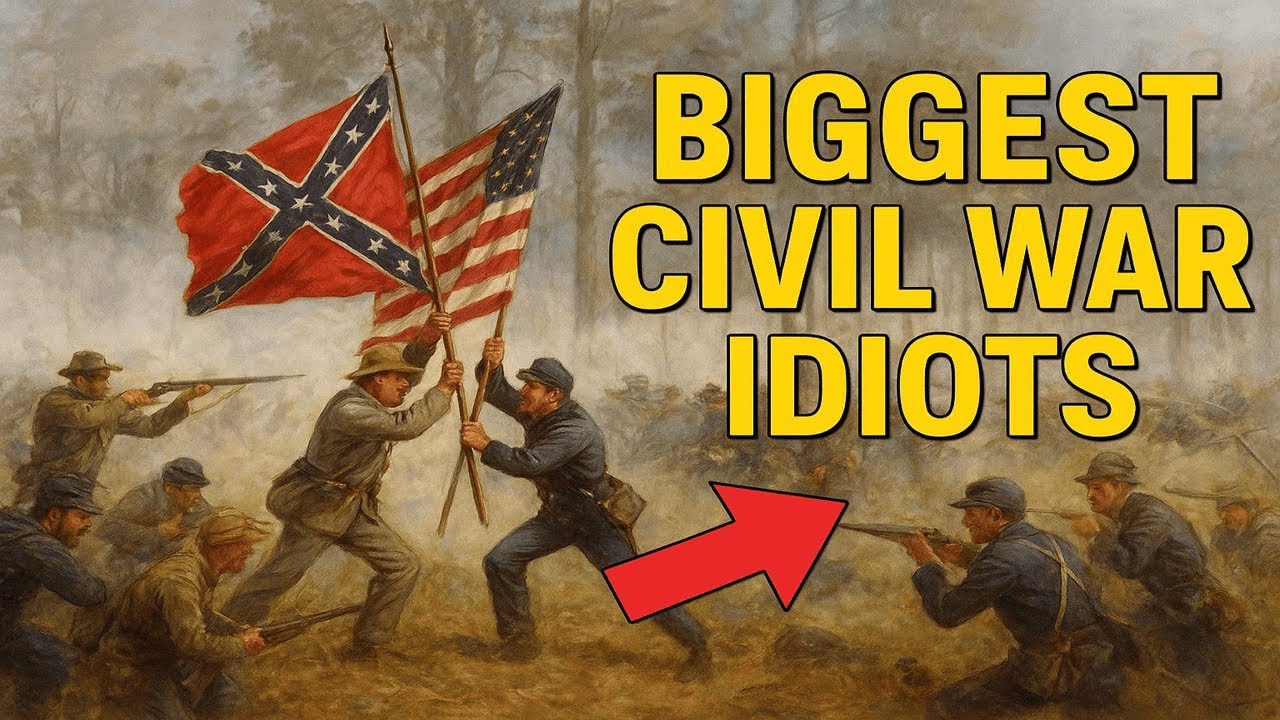
Banks miscalculated distances, boat drafts, and troop movements. He marched deep into Louisiana only to discover the river was too shallow, the Confederates were waiting, and the gunboats were trapped. The campaign ended in retreat and the near destruction of a Union fleet. Banks never received a major command again.
George McClellan
George McClellan is the war’s greatest contradiction. He was a brilliant organizer who drilled the Army of the Potomac into a disciplined machine. His soldiers loved him. But when battle came, he froze.
During the Peninsula Campaign, he constantly imagined the Confederates had twice as many men as they actually did. At Antietam, he held Lee’s lost battle plans and knew every Confederate position. Still, he refused to commit fully. He sent his divisions in one at a time.
Lee escaped. The war continued for two more years. Lincoln finally fired him, saying if McClellan could not fight, he must find someone who could.
Gideon Pillow
In 1862 at Fort Donelson, the Confederates had one chance to escape before Grant closed in. They launched a successful attack and opened the road to freedom. Then Pillow panicked.
He ordered his men to retreat back into the fort they had just escaped from, trapping themselves again. When the fort was surrounded, Pillow fled in the night, leaving someone else to handle the surrender.
Benjamin Butler
Benjamin Butler had no tact. When he occupied New Orleans, he issued General Order Number 28, declaring that any woman who insulted Union soldiers would be treated as a prostitute. The backlash was immediate.
Foreign governments protested. Southerners threatened revenge. Even Union supporters called him reckless. In one sweep, he turned a potential diplomatic victory into a firestorm.
Jubal Early
Jubal Early was brave but stubborn, hot-tempered, and disastrously overconfident. In 1864, he defended the Shenandoah Valley, the Confederacy’s bread basket. He misjudged Union movements, ignored warnings, and attacked when he should have fortified.
General Sheridan crushed him. The valley was burned, its farms destroyed, and the Confederacy’s food supply crippled. Lee sighed and called him his bad old man.
Franz Sigel
Franz Sigel arrived in America with a heroic backstory and fiery speeches. He brought thousands of German immigrants into the Union Army. But he was far better at inspiring crowds than commanding armies.
At the Battle of New Market in 1864, Sigel faced a much smaller Confederate force led by teenage cadets from the Virginia Military Institute. He lost spectacularly. His troops were poorly positioned, his orders were confusing, and he placed his artillery where it could barely fire without hitting his own men.
He became the first Union general in history to be defeated by college students marching into combat in their school uniforms. His men joked that whenever Sigel appeared, morale went up before the battle and casualties went up after it.
Henry Halleck
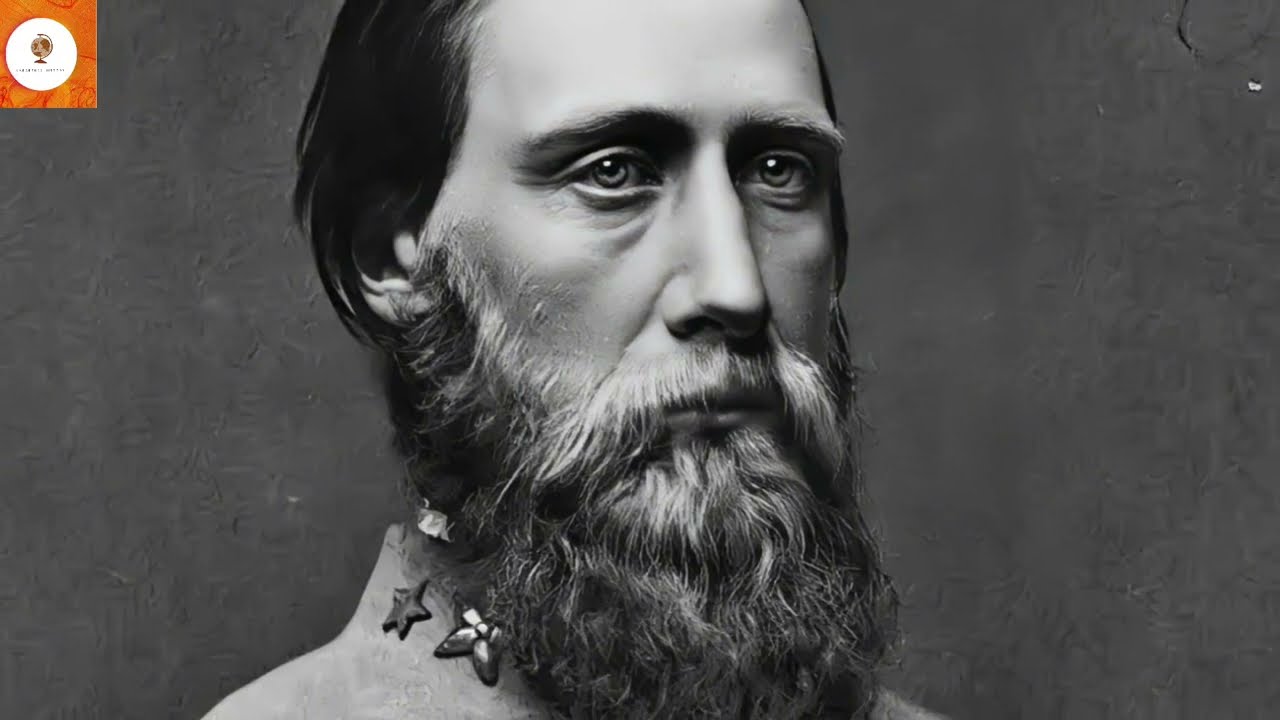
Henry Halleck looked like a genius on paper. He wrote textbooks, studied European warfare, and earned the nickname Old Brains. But when the war demanded real decisions, he froze.
As general in chief, he refused to give clear orders. He refused to take responsibility. He responded to desperate generals with long letters, complicated theories, and vague instructions that meant nothing. He treated the war like a paperwork exercise while battles fell apart in real time.
Joseph E. Johnston
Joseph Johnston had talent but one crippling flaw. He never wanted to fight. Every time he had the chance to attack, he retreated. Every time Davis asked him to stand firm, he backed away.
At Atlanta, he gave up town after town until Davis finally lost patience and fired him. Confederates joked that if he kept retreating, he would march backward into the Atlantic.
Benjamin Huger
General Huger was not stupid. He was simply too slow for the chaos of battle. Orders took forever to reach him. His troops moved at the speed of a funeral procession.
At Seven Pines, his entire command moved so slowly that the attack fell apart before it even began. Lee quietly replaced him, describing him as lacking energy.
Admiral Samuel Du Pont
Rear Admiral Du Pont was supposed to lead a powerful new ironclad fleet against Charleston. Instead, he panicked under fire. He misjudged the weapons, misread the currents, misunderstood the range, and turned around to retreat.
Northern newspapers roasted him. The government replaced him. His career collapsed after one terrible mismanaged attack.
Alfred Pleasonton
Pleasonton had one talent, making himself look good in reports. He exaggerated enemy numbers, invented victories, and blamed subordinates when things went wrong. His cavalry was constantly outmatched because he kept misreading the situation.
He created such a culture of misinformation that no one trusted his intelligence reports. In war, that is deadly.
Theophilus Holmes
Holmes was already old and sick before the war started. But the Confederacy desperately needed officers, so they gave him a command. At the Battle of Helena, he ordered a disastrous attack that collapsed almost immediately.
His timing was bad, his coordination worse, and his health made everything slower. Soldiers openly begged the government to remove him. He was quietly moved out of active service.
Alexander Asboth
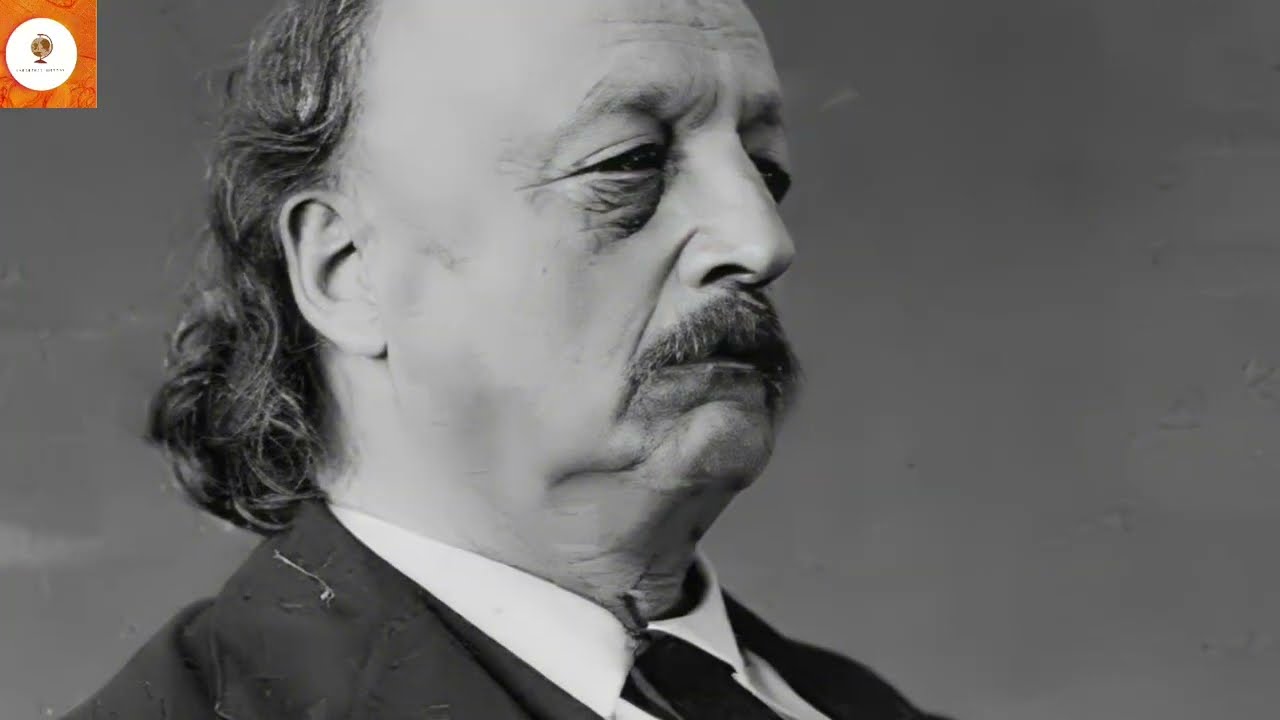
Asboth marched his men straight into an ambush in heavy fog with no scouts. His army stumbled into Confederate gunfire like they were feeling their way in the dark. His own soldiers joked that it was not a battle but Asboth’s blind march.
He meant well and was brave. But the lack of basic reconnaissance turned the attack into chaos.
Thomas Crittenden
Crittenden had the skills to be a decent commander until alcohol got involved. At Stones River, witnesses say he was confused, slow to react, and issued orders that made no sense. He could not keep his divisions coordinated.
Troops suffered for it. He was court-martialed, suspended, and removed.
Earl Van Dorn
Van Dorn was known for two things. Reckless military decisions and women. He made impulsive, aggressive attacks that collapsed because he never considered logistics or timing.
His headquarters was constantly full of gossip about his affairs. His career ended suddenly when an angry husband walked into his office and shot him dead.
Ferdinand Ramsay
Ramsay’s job was to supply troops, feed them, clothe them, and get ammunition to the front. He failed repeatedly. Bad calculations left armies hungry, undersupplied, and stalled.
Campaigns slowed down because he could not keep logistics straight. In war, failing to calculate supplies is as deadly as losing a battle.
Gideon Welles
As Navy Secretary, Welles constantly argued with everyone. He slowed shipbuilding, delayed decisions, and rejected ideas simply because they were not his. The Union Navy succeeded in spite of him, not because of him.
Sterling Price
Price believed he could take Missouri with a ragged, starving, poorly supplied army. He marched deep into the state with bad intelligence, outdated maps, exhausted men, and zero chance of success.
Union forces crushed him repeatedly. His army disintegrated. Historians still call it Price’s Folly.
War is a brutal teacher. The Civil War showed how a single blunder could cost thousands of lives. Some of these men were brave, some were smart, and some were simply overwhelmed. But their mistakes shaped the war just as much as the victories of great generals.
History remembers courage. It never forgets incompetence.