Anthony Steffen, one of the most recognizable faces of the spaghetti western era, died on July 5, 2004, in Rio de Janeiro after a two-year battle with cancer. He was 73 years old. Born Antonio Luigi de Tef on July 21, 1930, at the Brazilian embassy in Rome, Steffen came from aristocratic lineage. His father, Manuel de Tef, was a former Formula 1 champion who later served as an ambassador, and the family held the title of barons de Tef.
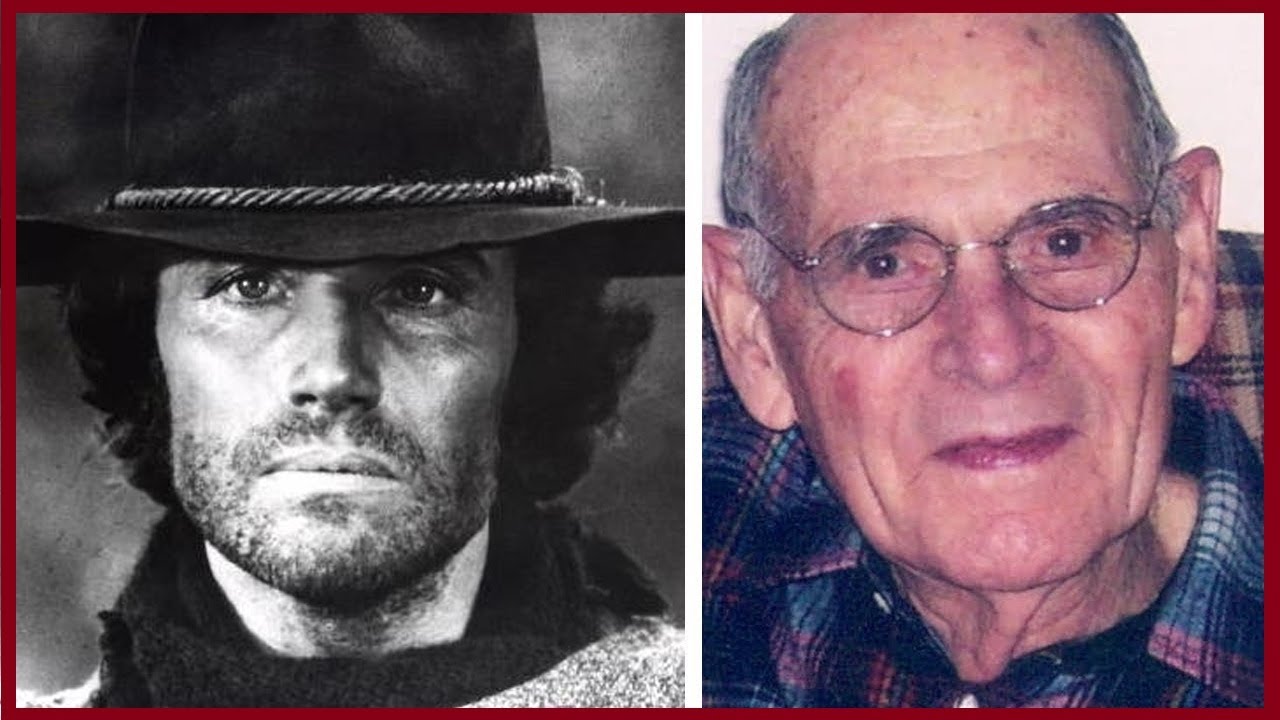
During World War II, the teenage Antonio left home to join the partisans fighting against the Nazis, a decision that marked the beginning of a life far removed from his privileged upbringing. His entry into cinema came modestly, as a studio messenger for Vittorio De Sica during the production of the 1948 classic “Bicycle Thieves. ” Years later, he landed a leading role in the critically praised drama “Abandoned” (1955). Throughout the late 1950s, Steffen appeared in a string of popular Italian productions, including sword-and-sandal epics, comedies, and adventures.
He also worked in international productions such as Robert Aldrich’s “Sodom and Gomorrah” (1962). It was the spaghetti western, however, that turned him into a worldwide star under the stage name Anthony Steffen. Though his acting style was often criticized as stiff, critics and audiences found it fitting for the steely-faced gunslinger persona that defined the genre. His most memorable role came in “Django the Bastard” (1969), which he also co-wrote.
In the film, he played a phantom gunslinger who returns from the grave to avenge his own death, a story that later served as an uncredited inspiration for Clint Eastwood’s “High Plains Drifter” (1973). Steffen built an impressive filmography within the genre, including well-regarded titles like “Dollars to Kill” (1966) and “A Train for Durango” (1968) alongside Mark Damon. He proved equally capable in other genres, particularly thrillers. His notable performances include “The Night Evelyn Came Out of the Grave” (1971), “Tropic of Cancer” (1972), and “The Crimes of the Black Cat” (1972), a giallo in which he played a blind pianist, a role he counted among his personal favorites.
He later appeared in “Killer Fish” (1979) with James Franciscus and Lee Majors. Fluent in five languages and described as elegant, educated, and handsome, Steffen moved in international high society circles, working alongside major European cinema figures such as Sophia Loren, Mario Bava, Roger Vadim, and Carlo Ponti. In the early 1980s, he relocated to Rio de Janeiro, a city he adored, while maintaining ties to his beloved Rome. He is survived by three sons.
His body was laid to rest in Brazil, closing the chapter on a career that spanned nearly five decades.