A recently surfaced letter, written by Confederate General John Bell Hood in 1875, offers a rare and personal look at the command decisions and brutal realities of the Battle of Gettysburg. The correspondence, addressed to General James Longstreet, provides a detailed account of Hood’s actions on July 2, 1863, and reveals his deep frustration with the orders he was given.
Hood’s letter describes the morning of the battle, noting that his troops arrived at Gettysburg’s high ground just after sunrise. He recalled seeing Generals Lee and A.P. Hill studying the federal positions. According to Hood, General Lee was hopeful but also deeply reflective about the coming fight. Hood himself judged it wiser to delay the attack until a missing division arrived, stating he never liked to enter a fight unprepared.
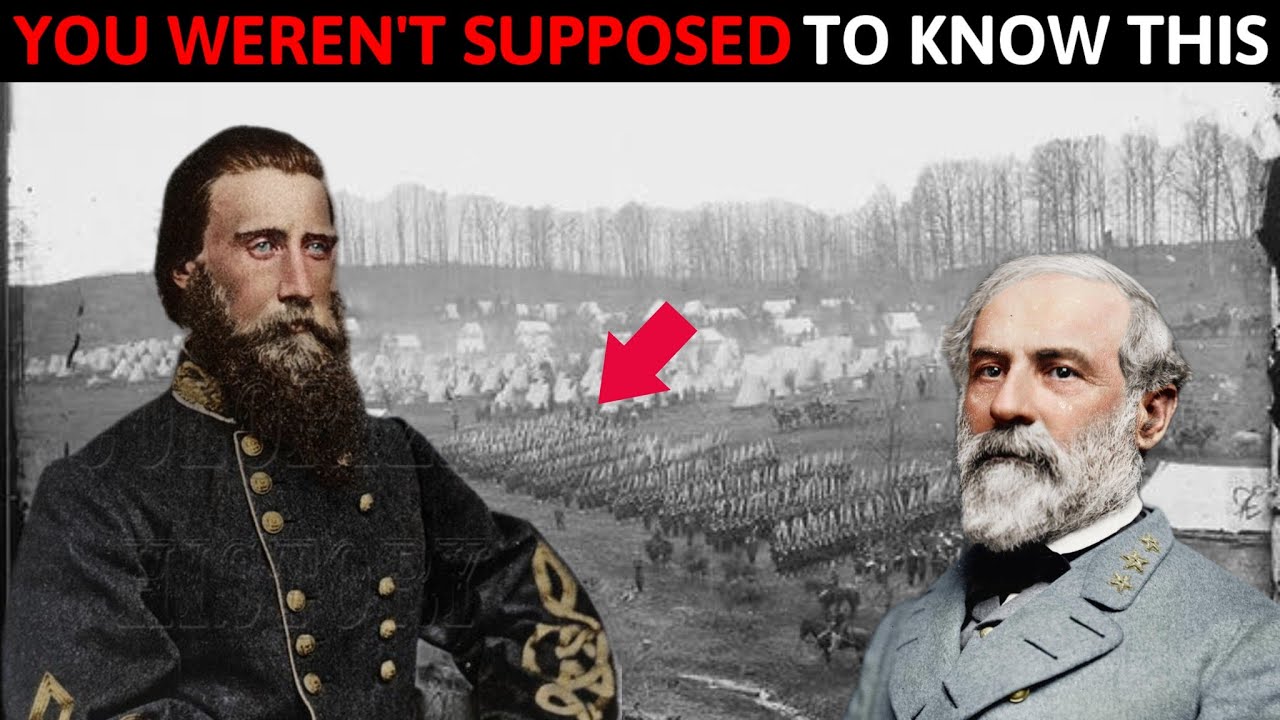
As the afternoon wore on, the decision was made to proceed with an assault. Hood was ordered to move his unit across the Emmitsburg Road and prepare to charge. Before doing so, he sent Texas scouts forward to locate the enemy’s flank. They reported that the federal line extended to Roundtop Mountain, with open ground that might allow a flanking maneuver. They also noted federal supply wagons were exposed behind the enemy lines.
Despite this intelligence, Hood was ordered to attack straight up the Emmitsburg Road. He saw the position as nearly hopeless. The enemy’s main line was anchored on high ground, with large boulders and steep, rocky slopes that would break up any assault. He believed his men would face murderous fire from the front, sides, and rear. Hood felt duty-bound to protest, sending multiple officers to request permission to flank the mountain instead.

Each time, the response was the same: General Lee orders the attack up the Emmitsburg Road. Hood later described this as his only military protest of the war. He eventually ordered his lines forward. Shortly after reaching an orchard near the enemy position, roughly twenty minutes into the advance, Hood was struck by a serious arm wound and had to leave the field.
Carried off on a stretcher, Hood felt profound anguish for his soldiers. He remained convinced that had he been allowed to flank Roundtop, he could have taken the ground and crushed the enemy. The letter ends with his respectful sign-off, but the frustration and sorrow of the moment are clear.

The letter offers a gripping view into the mind of a Confederate general during one of the war’s most critical hours. It also raises questions about memory, as Hood wrote this account a decade after the battle. Still, his testimony adds a powerful personal dimension to the story of Gettysburg, a battle defined by ferocious combat and staggering loss at places like Devil’s Den and Little Roundtop.
John Bell Hood died in New Orleans just four years after writing this letter. His account remains a valuable piece of Civil War history, giving readers a rare glimpse into the burdens of command and the haunting memories that outlasted the final gunshot.