The assassination of President John F. Kennedy on November 22, 1963, did not end with the funeral. For the surviving family, the event marked the beginning of a new and punishing reality. The public saw a widow in black and two small children saluting their father's casket. The private reality was far more complex.
The Kennedy family was not an ordinary family interrupted by tragedy. It was a carefully constructed machine of ambition, discipline, and public performance. Joseph Kennedy had built his sons to project force and his daughters to protect form. The family operated on forward motion, campaigns, and public energy. After Dallas, that momentum became haunted.
Jacqueline Kennedy understood the stakes faster than anyone. In the days after the assassination, she did more than mourn. She arranged the visual memory of the presidency. She brought in Theodore White and articulated the Camelot narrative. This was not sentimentality. It was strategy under extreme duress.
The Camelot myth served a purpose beyond honoring the dead. It gave the family a narrative to survive inside. Reality was harsher. Jackie had watched her husband murdered beside her. Her children would be raised without a father but with a permanent audience. The Kennedy name would now attract not just admiration but fatal expectation.
Caroline and John Jr. did not just lose a father. They inherited a national fantasy. The country wanted them preserved as symbols of innocence inside tragedy. The famous images followed them for years. But symbolic inheritance is not the same as emotional inheritance. Public memory gave them a father-shaped icon. It could not give them an ordinary childhood.
John Jr. spent much of his life under the pressure of resemblance. He looked like his father. The culture wanted that resemblance to mean destiny. Every appearance carried projection. Every choice was measured against a man he barely knew but could never escape. He became the nation's favorite surviving son and one of its most burdened.
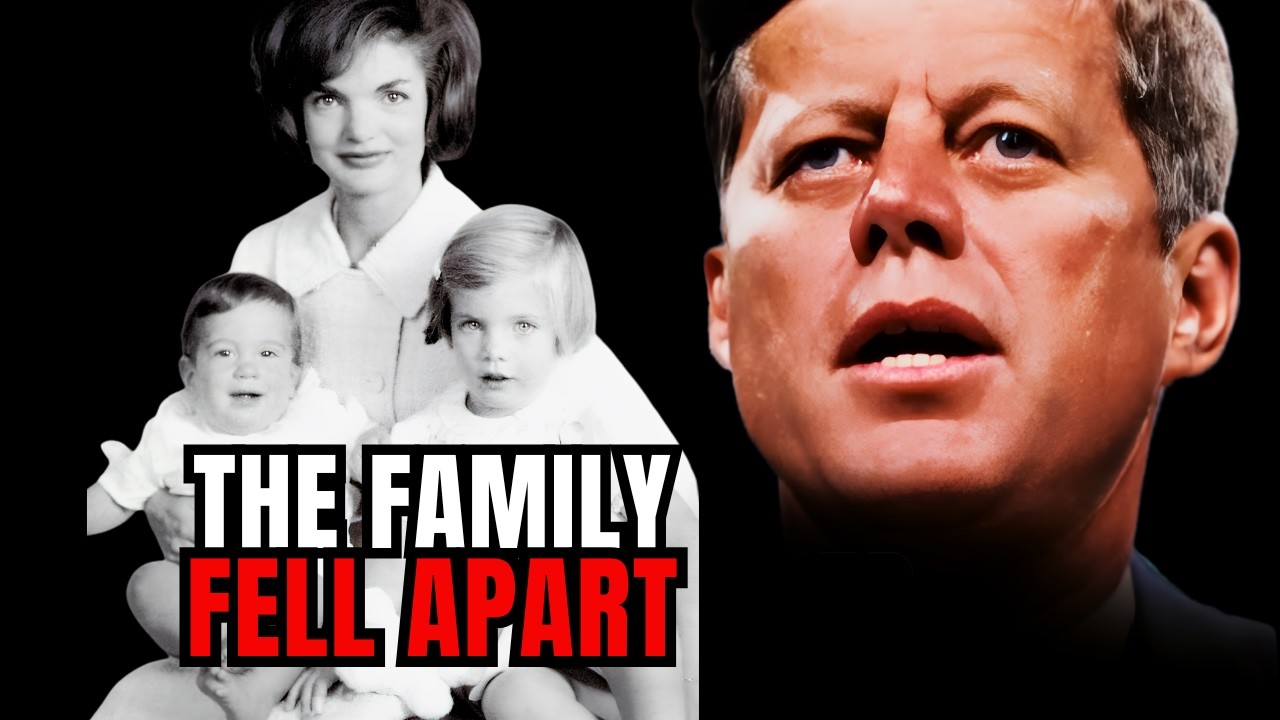
Caroline's burden was quieter. She lived less theatrically and with greater reserve. She had to carry history without dissolving into it. She grew up inside an atmosphere where her family story had already been narrated by strangers and simplified by a country that preferred symbolism to complexity.
Robert Kennedy's grief was consuming. He felt not only sorrow but guilt and helplessness. He had lost the figure around whom his political and emotional life had been organized. For years he had been protector, strategist, and confidant. After the assassination, that role had nowhere stable to go.
Robert's transformation was also political. Before Dallas, he had been seen as harder-edged and more combative. After it, something in him deepened. He became more visibly moral and more drawn toward suffering outside his own world. Loss stripped him. It radicalized his emotional vocabulary.
When Robert ran for president in 1968, he was not merely a man with ideas. He was running through grief and unfinished business. His politics became inseparable from bereavement. Then the family absorbed another assassination. One brother murdered in 1963. Another murdered in 1968.
Repeated loss changed the narrative. Tragedy stopped feeling singular and started feeling patterned. This was the psychological birthplace of what people later called the Kennedy curse. The phrase is sensational. The underlying reality is more serious. Addiction, recklessness, impossible expectations, and unresolved grief are real forces. Curse is the glamorous word. Structure is the harder one.
After Robert's death, the burden shifted to Ted Kennedy. He had always been the younger brother. After 1968, that was no longer possible. He became the surviving political standard-bearer of the family. This is often described as inheritance. It was also a form of pressure that may have been nearly impossible to carry cleanly.

Ted was expected to hold together a dynasty that had been emotionally destabilized by repeated trauma. His long Senate career was real. His legislative achievements were real. But so was the shadow under which he operated. Chappaquiddick did not emerge from nowhere. It existed inside a wider atmosphere of entitlement, strain, and the belief that image management could contain almost anything.
The family kept producing beauty, power, and style in public. Privately, it kept producing instability and emotional aftershocks. Not because they were cursed in a supernatural sense. They were trapped inside a combination of privilege and injury powerful enough to distort judgment across generations.
Jackie saw more of that than most people understood. Her later insistence on privacy was not eccentricity. It was diagnosis. She had watched the name Kennedy generate attention so intense it could devour ordinary boundaries. Moving away and limiting access were survival mechanisms.
John Jr. eventually entered media and public life with a lightness that often looked effortless. Yet even that lightness had pressure beneath it. He was handsome and charismatic, almost genetically suited to public fascination. The idea of him became entwined with renewal. His death in 1999 hardened the old mythology all over again.
The assassination never stayed in 1963. It kept echoing forward. Every later Kennedy loss was interpreted through the original wound. Once a family is mythologized through tragedy, future events do not arrive neutrally. Everything begins to look like recurrence. Everything begins to confirm the legend of doom.
Caroline represents the opposite response. Less theatrical, more durable, more measured in public posture. Her adulthood suggests another path through family myth. She did not erase the name. She used it selectively. Restraint itself became meaningful.
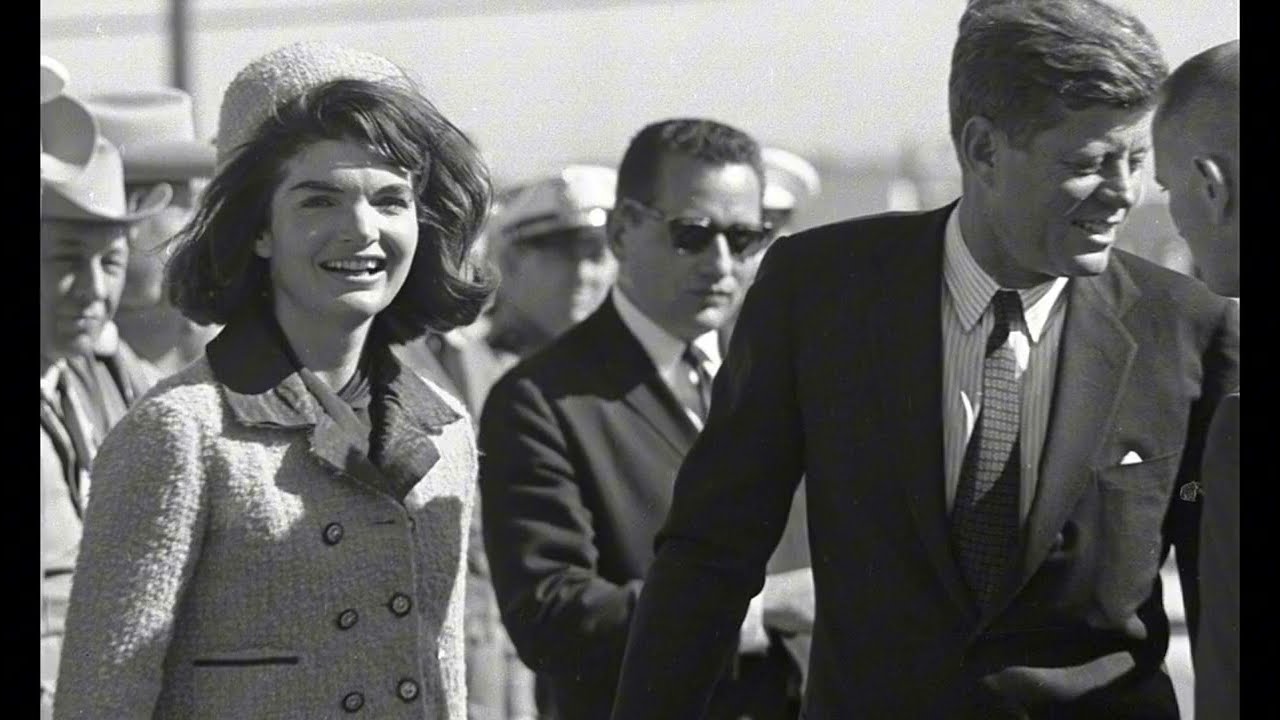
The public story often reduces the Kennedys after Dallas to a sequence. Jackie the widow. Bobby the avenger. Ted the heir. John Jr. the prince. But that sequence is too clean. The deeper truth is that all of them were negotiating the same impossible equation. How do you preserve the meaning of the dead without letting the dead govern the living?
The assassination did not only create a martyr. It created a dynasty of survivors whose every future move would be read through absence. Robert's idealism looked different because John was gone. Ted's ambition looked different because John and Robert were gone. John Jr.'s charm looked different because his father was gone.
What looked like legacy in public often looked like pressure in private. Pressure over time alters people. It encourages performance. It rewards concealment. It can make risk feel ordinary. It can make attention feel both intoxicating and violating.
The Kennedy story after 1963 is not just about one famous family. It is about what happens when grief and celebrity fuse inside a political dynasty. The fusion does not heal. It stylizes. The family did not need a curse to explain what followed. It had history, trauma, and structure. That was enough.
One assassination did not end one life. It reorganized the emotional and historical destiny of an entire family. The public story was always cleaner. Camelot broken. Courage sustained. Legacy continued. But the private structure was more unsettling. The Kennedys after Dallas were living in the ruins of a myth even as they were tasked with maintaining it.
They had to carry beauty and grief at the same time. They had to remain recognizable to the country while becoming unrecognizable to themselves. They had to survive not only loss but interpretation. The assassination did not only take JFK away from his family. It made sure his family would never again be allowed to live outside his shadow.
The country kept seeing grace. Inside the family what often remained was management, endurance, performance, and memory under pressure. Jackie turned survival into curation. Caroline and John Jr. inherited a father as legend before they could inherit him as memory. Robert was radicalized by grief and then lost to the same violence. Ted carried the dynasty forward under the weight of expectation and fracture.
The family became both emblem and cautionary tale. Proof that public radiance can coexist with private instability for a very long time, but never without cost. The family that America kept admiring afterward was not living after the tragedy. It was living inside it.