Across New York City, a handful of unremarkable storefronts once served as the nerve centers of organized crime. They had no signs announcing their purpose, no armed guards at the door, and no secret entrances. They were social clubs, bars, and cafes that blended into ordinary neighborhoods while concealing violence, racketeering, and murder behind their facades.
Between roughly 1950 and 2005, these locations formed the infrastructure of the five families. They functioned as offices without paperwork and headquarters without signs, places where decisions meant life or death. The FBI photographed them all, recorded hundreds of hours of conversations, and compiled evidence that eventually dismantled much of the mob's power structure.
One of the most important was the Palma Boys Social Club at 416 East 115th Street in East Harlem. Anthony Salerno, known as Fat Tony, controlled the place. He weighed over 300 pounds, wore thick-framed glasses, and spoke with a raspy voice that carried authority.
Salerno did not hide. He arrived mid-morning each day and sat outside when weather permitted, conducting business in plain sight. The 116th Street crew of the Genovese crime family operated from the address, running loan sharking, labor racketeering, and control of the construction industry.
FBI agents watched from unmarked cars down the block, recording license plates and cataloging faces. Watching was not enough. They needed to hear what was said inside. In the late 1970s, federal agents received approval for electronic surveillance and installed a hidden listening device in the club.
The recordings revealed everything. Salerno discussed construction bids rigged before they were opened, union officials taking payments to guarantee labor peace, and concrete contracts worth millions going to companies that paid tribute. The Genovese family controlled New York's construction industry, and Salerno orchestrated it from a storefront in East Harlem.
In February 1985, prosecutors announced indictments under the Racketeer Influenced and Corrupt Organizations Act. The Mafia Commission Trial charged leaders of all five New York families together. Salerno was named as boss of the Genovese family, though he actually served as front boss while Vincent Gigante pretended to be mentally ill and ran things from behind the scenes.
The trial began in September 1986. Evidence from the Palma Boys bug played in court, and Salerno's own voice convicted him. On November 19, 1986, he was found guilty on all counts and received 100 years. He was 75 years old and knew he would die in prison. Appeals were filed and denied, but nothing changed the outcome.
The Palma Boys Social Club continued operating after Salerno's conviction, with new faces appearing as the neighborhood changed. Federal pressure never stopped, and the club closed in the early 1990s. On July 27, 1992, Anthony Salerno died at the Springfield Medical Center for Federal Prisoners in Missouri. He was 80 years old.
Today, 416 East 115th Street still stands. Sometimes empty, sometimes housing different businesses, the building looks much as it did in FBI surveillance photos from 40 years ago. No plaque marks the address, and no historical marker explains what happened there.
In Brooklyn, the Wimpy Boys Social Club at 7506 13th Avenue served as headquarters for one of the most feared men in organized crime. Gregory Scarpa Sr., known as the Grim Reaper, ran a Colombo family crew from the storefront from the 1970s through the 1990s. His operations spanned loan sharking, extortion, and murder for hire.
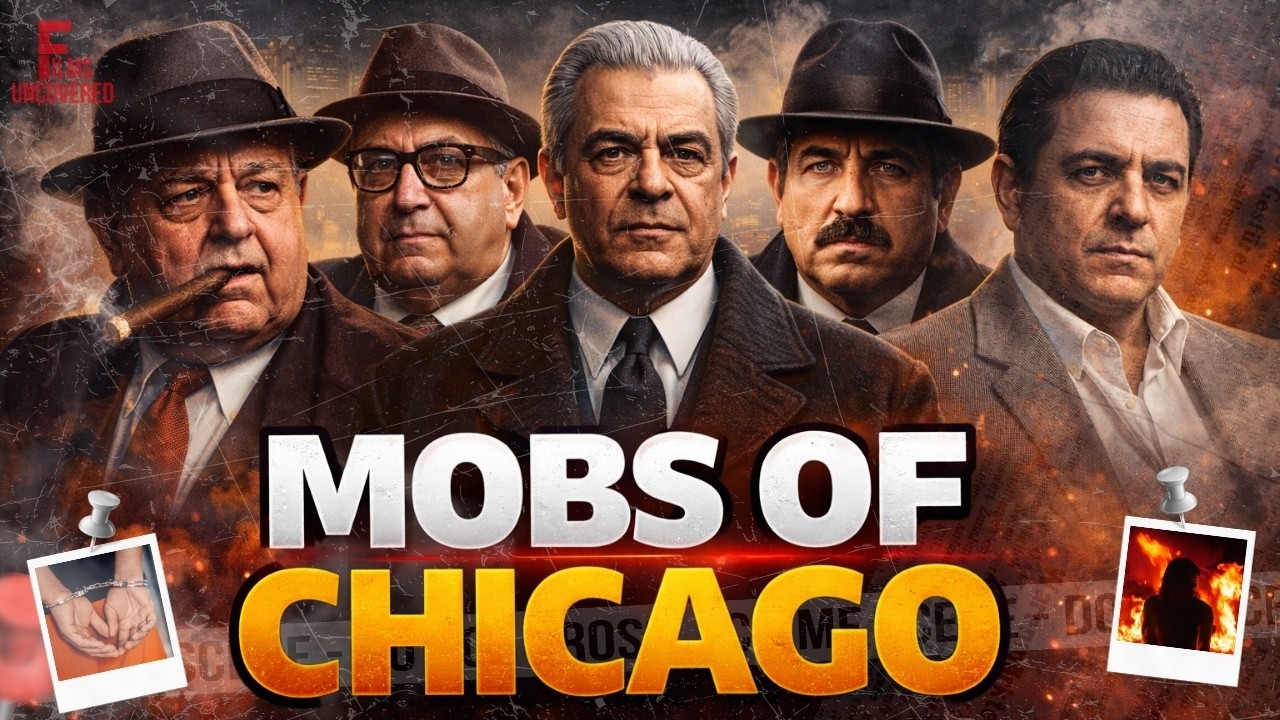
The FBI suspected Scarpa of at least 80 murders, and some investigators believed the number exceeded 100. Bodies were never found, and people simply disappeared. But Scarpa maintained a secret: he was an FBI informant, a top echelon informant, and had been for years. His handler was FBI Special Agent Lin DeVecchio.
The relationship became one of the most controversial in FBI history. Scarpa provided details about Colombo family operations, and DeVecchio allegedly provided information back, including tips about investigations, warnings about surveillance, and details that helped Scarpa eliminate rivals. Murders happened, investigations stalled, and evidence disappeared.
In 1991, the Colombo family split into factions and war broke out. Carmine Persico Jr. ran the family from prison while Victor Arena challenged his leadership. Scarpa sided with Persico, and the Wimpy Boys crew went to war. Drive-by shootings, ambushes, and murders in broad daylight turned Brooklyn into a war zone.
Accusations emerged that DeVecchio leaked information during the war, including details about Arena faction members, locations, routines, and vulnerabilities that led directly to murders. The allegations would haunt him for decades. In 1992, an informant named Mary Bari was lured to the Wimpy Boys Club and murdered after someone learned about her cooperation.
Scarpa's health deteriorated after he contracted HIV from a blood transfusion years earlier, and the virus progressed to AIDS. In 1993, federal authorities finally arrested him on charges including racketeering, murder, and extortion. His informant status no longer protected him. On June 8, 1994, Gregory Scarpa Sr. died in prison of AIDS complications at age 66.
The Wimpy Boys Social Club closed shortly after his death. Today, 7506 13th Avenue is a residential building, and the storefront has been converted. No sign indicates what happened there, and new residents may have no idea about its history.
In Queens, the Bergen Hunt and Fish Club at 98-04 101st Avenue in Ozone Park had nothing to do with hunting or fishing. Carmine Fatico established the club in 1966 after moving from East New York, wanting proximity to Kennedy Airport where trucks loaded with cargo passed constantly. John Gotti joined the crew in the late 1960s and earned quickly through hijackings, robberies, and beatings.
By the early 1980s, Gotti effectively controlled the club. FBI surveillance never stopped, with cameras mounted across the street and agents documenting everyone who entered. Gotti did not hide. He arrived regularly, sat outside on warm days, and held court on the sidewalk. The audacity became part of his image.
On Christmas Eve 1992, Thomas Uva and his girlfriend Rosemary walked into the Bergen Hunt and Fish Club armed and demanded money. They had robbed several social clubs across New York, a reckless pattern with an inevitable outcome. Later that same day, as they drove through Ozone Park, a vehicle pulled alongside their car and multiple gunshots shattered the windows. Both died instantly.
The murders were never officially solved, but everyone knew why they died. The Bergen continued operating into the 2000s as federal pressure increased and RICO prosecutions decimated the Gambino family. In 2005, the club closed. Today, 98-04 101st Avenue houses a medical supply store and another business, the storefronts physically unchanged but the name gone.
In Little Italy, the Ravenite Social Club at 247 Mulberry Street served as a Gambino family nerve center for over 30 years. Carlo Gambino used the club briefly in the late 1950s before surveillance increased and he stopped visiting regularly. Aniello Dellacroce took over in the 1970s and made the Ravenite his base of operations.

Dellacroce died of cancer on December 2, 1985, removing the last obstacle between John Gotti and control of the Gambino family. Two weeks later, on December 16, 1985, Paul Castellano arrived at Sparks Steakhouse in Manhattan for a dinner meeting. As he exited his car, gunmen approached and shot him dead on the sidewalk. Gotti became boss, and the Ravenite became his headquarters.
Every Wednesday evening, Gotti arrived at the Ravenite immaculately dressed and climbed stairs to an apartment above the club where meetings happened behind closed doors. In 1989, FBI agents received authorization for electronic surveillance and installed a bug in the apartment. Approximately 600 hours of conversations were captured, and Gotti incriminated himself repeatedly.
On December 11, 1990, FBI agents raided the Ravenite and arrested Gotti, underboss Frank Locascio, and consigliere Salvatore Gravano. Gravano cut a deal and became a government witness, testifying against the man who helped him rise. The trial began in 1992, and evidence from the Ravenite bug played in court. On April 2, 1992, Gotti was found guilty on all counts and received life without parole.
The Ravenite closed after Gotti's arrest. On June 10, 2002, John Gotti died of throat cancer in prison at age 61. Today, 247 Mulberry Street houses a men's clothing store. Tourists stop for photos, knowing the name Ravenite from movies about Gotti, but the building remembers what they forget.
In Williamsburg, Brooklyn, the Motion Lounge at 420 Graham Avenue operated as a neighborhood bar with an apartment above. Dominic "Sonny Black" Napolitano, a Bonanno family capo, ran the place. In 1976, Benjamin "Lefty" Ruggiero introduced a young jewel thief named Donnie Brasco to Napolitano. Brasco impressed the crew and started coming around regularly.
But Donnie Brasco did not exist. He was FBI Special Agent Joseph Pistone, and the entire operation was an undercover infiltration. Pistone operated within the Bonanno family for five years, gathering evidence, recording conversations, and documenting criminal activities. It became one of the most successful mob infiltrations in history.
In July 1981, the FBI pulled Pistone out and informed the Bonanno family that Donnie Brasco was a federal agent. The revelation devastated the family. Napolitano had vouched for Brasco and allowed him into the crew, a mistake that in the mob world meant death. On August 17, 1981, Napolitano was called to a meeting. Before leaving the Motion Lounge, he gave his jewelry and keys to the bartender.
The meeting happened in a basement, where Napolitano was led downstairs and killed by multiple gunshots. Days later, his body was found in Staten Island with both hands cut off, a symbolic message that he had shaken hands with an FBI agent. The Motion Lounge closed after his murder. Today, 420 Graham Avenue houses a different business, the storefront similar to old photographs but the name gone.
In Canarsie, Brooklyn, the Gemini Lounge at 4021 Flatlands Avenue operated as both a bar and a killing factory. Roy DeMeo, a Gambino family soldier, ran the establishment with a crew specializing in car theft, loan sharking, pornography, and murder. The bar occupied the ground floor, while an upstairs apartment was where the real work happened.
DeMeo's crew developed a systematic method for killing and disposing of bodies. A victim was lured to the apartment, shot in the head immediately upon entry, and stabbed in the heart to stop blood flow. The body was stripped, placed in a shower, drained completely, and systematically dismembered. Body parts were wrapped in plastic and disposed of across Brooklyn, Staten Island, and the ocean.
The crew murdered dozens of people this way, possibly over 100 victims. Joseph Guglielmo handled many of the dismemberments and was called Joe the Dracula. The bar downstairs stayed open with music playing and drinks served while blood drained through pipes one floor above. FBI and NYPD investigators pursued DeMeo for years but could not compile evidence without bodies or witnesses.
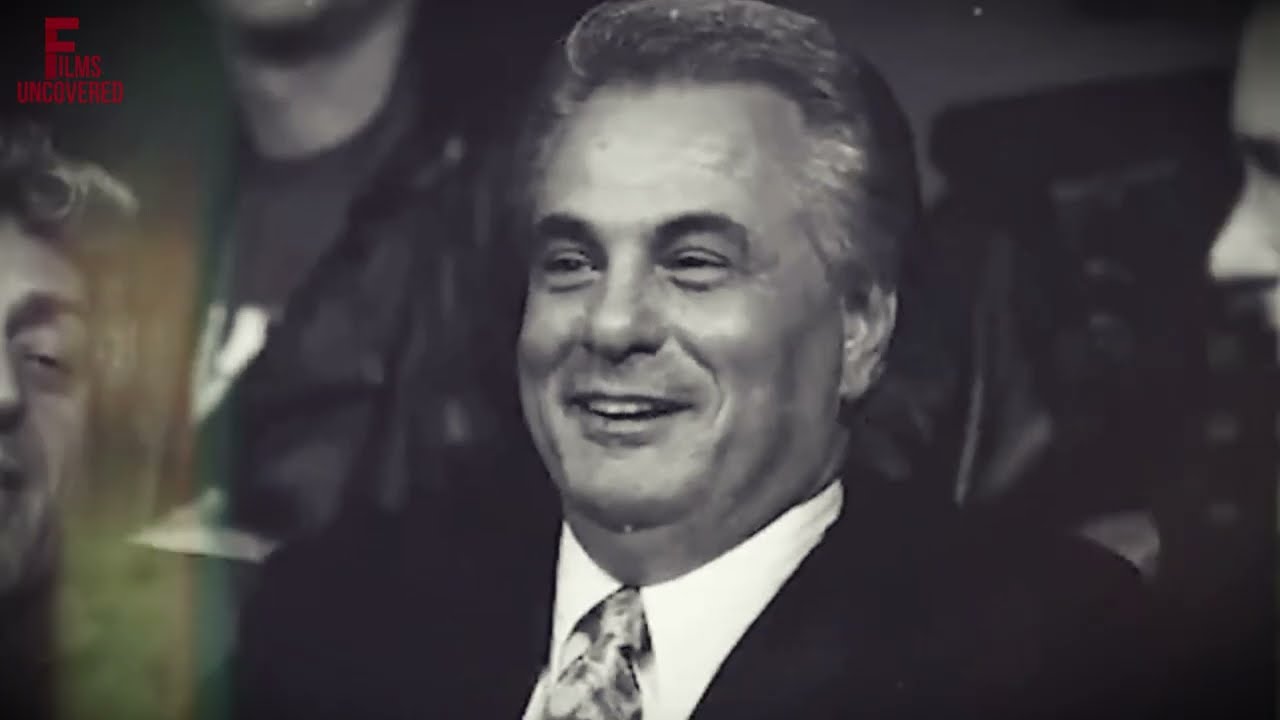
In early 1983, Gambino leadership grew concerned that DeMeo's crew drew too much attention. On January 10, 1983, Roy DeMeo was murdered, his body found in the trunk of his car with multiple gunshot wounds. The Gemini method was used against its creator. The Gemini Lounge closed shortly after, and the building was eventually torn down. Today, a different structure occupies the address, with nothing remaining of the original building.
In Lower Manhattan, the Toyland Social Club at 94 Hester Street sat between Chinese produce stands and tenement buildings. Nicholas Marangello, known as Nikki Glasses, controlled operations for the Bonanno crime family from a back room with a single table and folding chairs. FBI surveillance photographs showed men entering and leaving throughout the day.
The Toyland became a Bonanno nerve center during an era of internal wars and federal infiltration. Marangello associated with the Sicilian faction of the family and operated the club from the early 1970s until his semi-retirement in the late 1980s. He never allowed casual visitors. The sign outside said Toyland, but inside there were no toys, just conversations that decided who lived and who disappeared.
Marangello survived the Donnie Brasco infiltration, the Pizza Connection investigation, and internal power struggles that destroyed other capos. In 1999, he died of natural causes at age 83, having outlived most of his generation and avoided major prosecutions. The Toyland Social Club closed in the late 1980s. Today, 94 Hester Street houses a Chinese restaurant, and no plaque marks what happened there.
In Bensonhurst, Brooklyn, the Veterans and Friends Social Club at 1468 86th Street operated as a Gambino family gathering spot used by James Failla's crew. Frank DeCicco attended meetings there. DeCicco served as underboss under John Gotti and helped orchestrate Paul Castellano's murder on December 16, 1985.
The Commission, the governing body of New York's five families, never sanctioned the hit. Gotti had violated protocol by killing a boss without permission, and the other families debated how to respond. A decision was made that Gotti had to go. On April 13, 1986, DeCicco attended a meeting at the Veterans and Friends Social Club that ended around 4 p.m.
DeCicco walked across 86th Street and approached a Buick Electra parked outside a car dealership. The car belonged to another mobster. As DeCicco opened the passenger door and sat down, a bomb detonated. The explosion tore through the vehicle, and DeCicco suffered massive injuries, with both legs blown off. He died before reaching the hospital.
The bomb was intended for Gotti, but plans changed at the last minute and Gotti was not there. The Lucchese family planted the bomb, specifically members working for Vittorio Amuso and Anthony Casso. It marked one of the few times a bomb was used in a New York mob hit. The Veterans and Friends Social Club continued operating for several years before closing in the 1990s. Today, 1468 86th Street houses a different business, with no indication of what happened.
In Greenwich Village, the Napoli-Nate Cafe at 165 Thompson Street sat in a neighborhood of Italian restaurants and coffee shops. The cafe offered nothing special, just potato chips, pretzels, and espresso. But Thomas "Tommy Ryan" Eboli met there, as did Gerardo Catena and Mike Miranda, high-ranking Genovese family members. They chose the grimy cafe because no one paid attention to it.
Eboli served as acting boss of the Genovese family after Vito Genovese's 1969 death in prison. The FBI knew about the cafe and photographed men entering, but cameras could not capture what was discussed inside. Eboli ran the family through the early 1970s, controlling rackets across New York. Internal tensions existed, and not everyone supported his leadership.
On July 16, 1972, at approximately 1 a.m., Eboli left his girlfriend's apartment in Crown Heights, Brooklyn, and walked to his car. Five gunshots shattered the silence, and he collapsed on the pavement, dying within minutes. The murder ended his brief reign as acting boss. No arrests or convictions were ever made, and the murder remains officially unsolved. Today, 165 Thompson Street looks different, with the original entrance gone and a different business occupying the space.
Nine addresses scattered across New York City witnessed the machinery of organized crime. They were not elaborate headquarters but ordinary storefronts that concealed violence behind everyday facades. The FBI photographed them all, and listening devices recorded hundreds of hours of conversations that eventually dismantled the five families' power structure.
John Gotti died in prison. Anthony Salerno died in prison. Roy DeMeo was murdered by his own family. Dominic Napolitano was killed for trusting the wrong person. Frank DeCicco was blown apart by a car bomb. Thomas Eboli was shot in the street. Nicholas Marangello died in 1999. Gregory Scarpa died of AIDS.
The social clubs closed, and the men disappeared into prisons or graves. The neighborhoods changed, property values increased, and coffee shops and yoga studios replaced gathering spots for killers. But the buildings remain, silent witnesses to a violent chapter that shaped New York for half a century.