A Chinese Taoist philosophy, often reduced to a simple call for laziness, is being explored as a profound approach to life. The teaching attributed to Lao Tzu, known as Wu Wei, or “action without effort,” does not advocate for idleness but for aligning oneself with the natural flow of existence. The philosophy suggests that much like water finding its way around rocks in a river, individuals can achieve more by not forcing their will upon the world. Lao Tzu taught that struggling against nature is a path to a dead end, leading only to frustration and exhaustion.
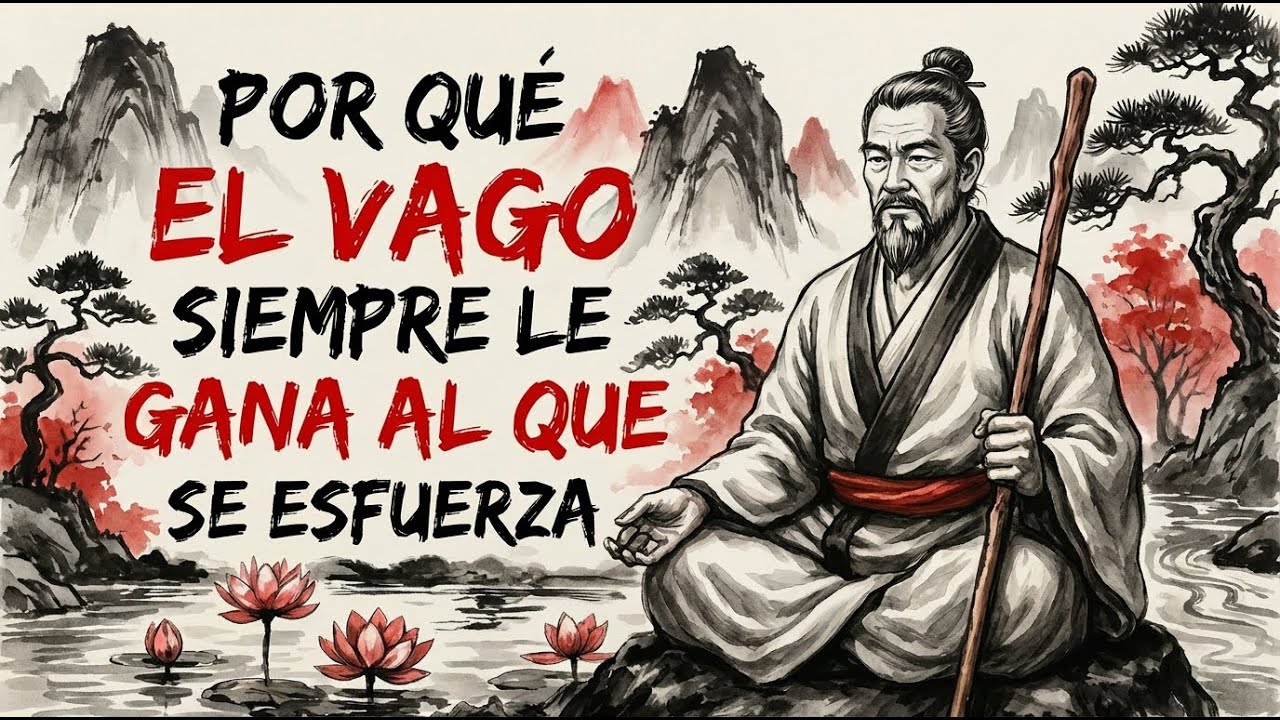
This principle is illustrated by the image of a clay vessel, whose usefulness comes not from the clay itself but from the empty space within. The philosophy encourages people to clear out the mental and emotional clutter that fills their lives, allowing space for genuine experiences. It challenges the modern obsession with constant activity and ambition, suggesting that this relentless pursuit often leads to disharmony. By letting go of the need to control every detail, individuals are told they can find a natural rhythm in their actions.
This is compared to a dancer who moves gracefully not by forcing steps but by listening to the body and responding to the moment. The goal of Wu Wei is to act with precision and economy, doing less but achieving more, and in doing so, finding both inner peace and harmony with the world.