Andy Lau spent more than four decades making his name one of the most recognizable in Asian entertainment, yet the family behind that name has remained almost entirely out of view. That contrast now sits at the center of a question tied to his estimated $100 million fortune: who will ultimately inherit what he built? For over 40 years, Lau has held an unusually powerful position across multiple industries at once. He has appeared in more than 100 films while also becoming a defining figure in Cantopop.
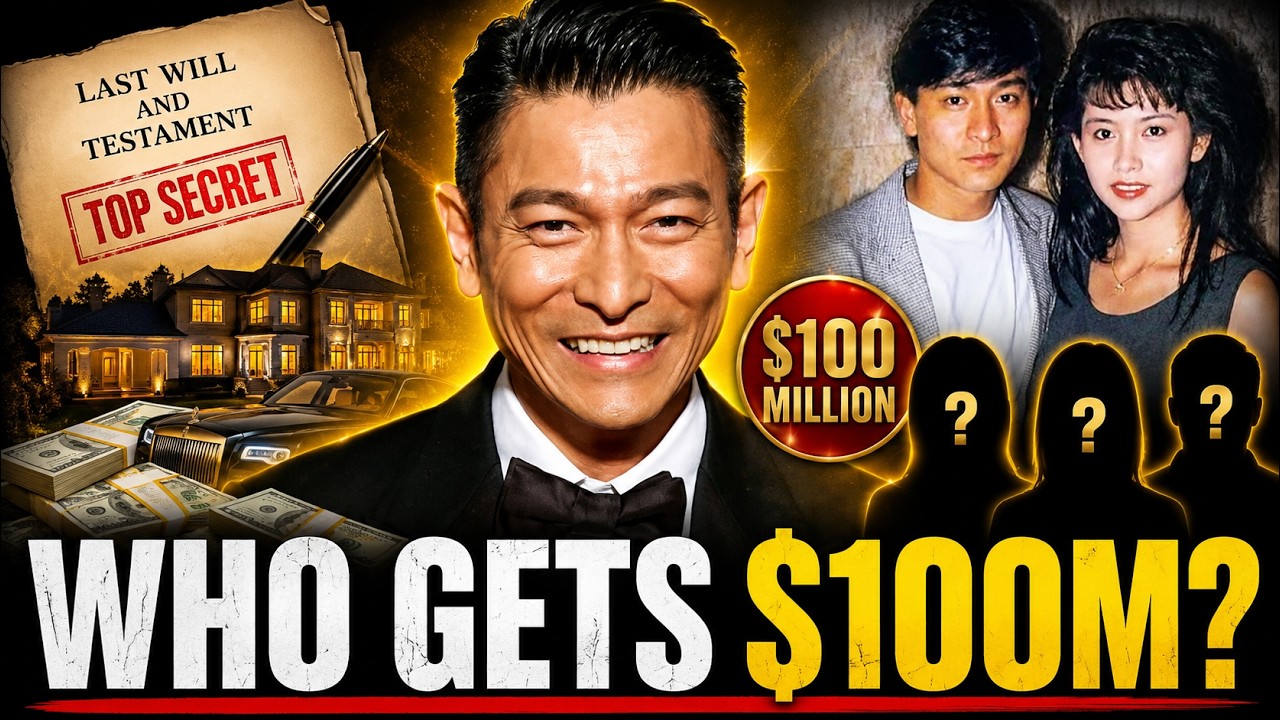
He built a career that generated income through movies, music, concerts, endorsement deals, and business interests across Asia. Various media outlets have estimated his personal wealth at roughly $100 million. That figure, however, is an estimate, not a publicly verified account of everything he owns. There is no public document listing every asset that could eventually become part of an inheritance.
Lau’s marriage to Carol Chu was kept extraordinarily private for years before it became publicly known. When their daughter Hanna was born in 2012, Lau again chose protection over publicity, keeping family life separate from the celebrity machinery that has followed him for decades. The result is a striking contradiction. One of Asia’s most visible stars built an immense public career while keeping the people closest to that career almost invisible.
Publicly, there is no confirmed will stating that Hanna will receive a specific amount. There is no verified claim that Lau has secretly divided his fortune between Carol Chu and their daughter. Andy Lau is still alive. There is no inheritance battle to report, no disputed estate, and no public document allowing outsiders to divide his assets.
This sets the story apart from traditional inheritance controversies. There is no family war playing out in public, no hidden beneficiary confirmed, and no shocking will. Instead, there is extraordinary wealth and a family whose financial future remains private. The question of future inheritance is not simply whether Hanna Lau will receive part of her father’s fortune.
Lau built his empire under the spotlight, but he consistently refused to make his wife and daughter part of the public product that created that wealth. The separation between his public career and his private family life was deliberate and long-standing. That separation may ultimately matter more than any celebrity wealth estimate. Being someone’s child does not reveal how a private estate is structured, what assets exist, whether wealth would pass directly or through other arrangements, or what role Carol Chu might play.
A fortune accumulated over decades can include cash, real estate, investments, companies, intellectual property, royalties, and other interests. Asking who gets the $100 million assumes a single fortune passing to a single person at a single moment. Real succession can be far more complex. Rather than a scandal waiting to explode, the supposed secrecy around Lau’s family may be the success of his greatest privacy effort: building a massive public legacy while keeping the future of those closest to him almost entirely their own.
Lau spent decades proving that the people closest to him do not have to become part of the celebrity machine simply because he did. One day, the beneficiaries of his fortune may receive the financial rewards of that extraordinary career, but they would not necessarily inherit the public life that came with it. The most significant thing Lau may leave his family is not the wealth everyone wants to count, but the freedom to decide what kind of life that wealth buys.
His empire was built under the lights, but what happens to it next may remain exactly where he always wanted his family to be: out of view.