In the spring of 1975, a 17-year-old girl named Jackie gave birth to a daughter in a Wiltshire County Hospital maternity ward. She had named the baby Hillary. The father, 18-year-old Kevin Jordan, sat beside her, but neither of them would be taking the child home. The adoption papers had been signed before the birth, a decision made by their parents to avoid the scandal that unmarried young parents faced in mid-1970s England.
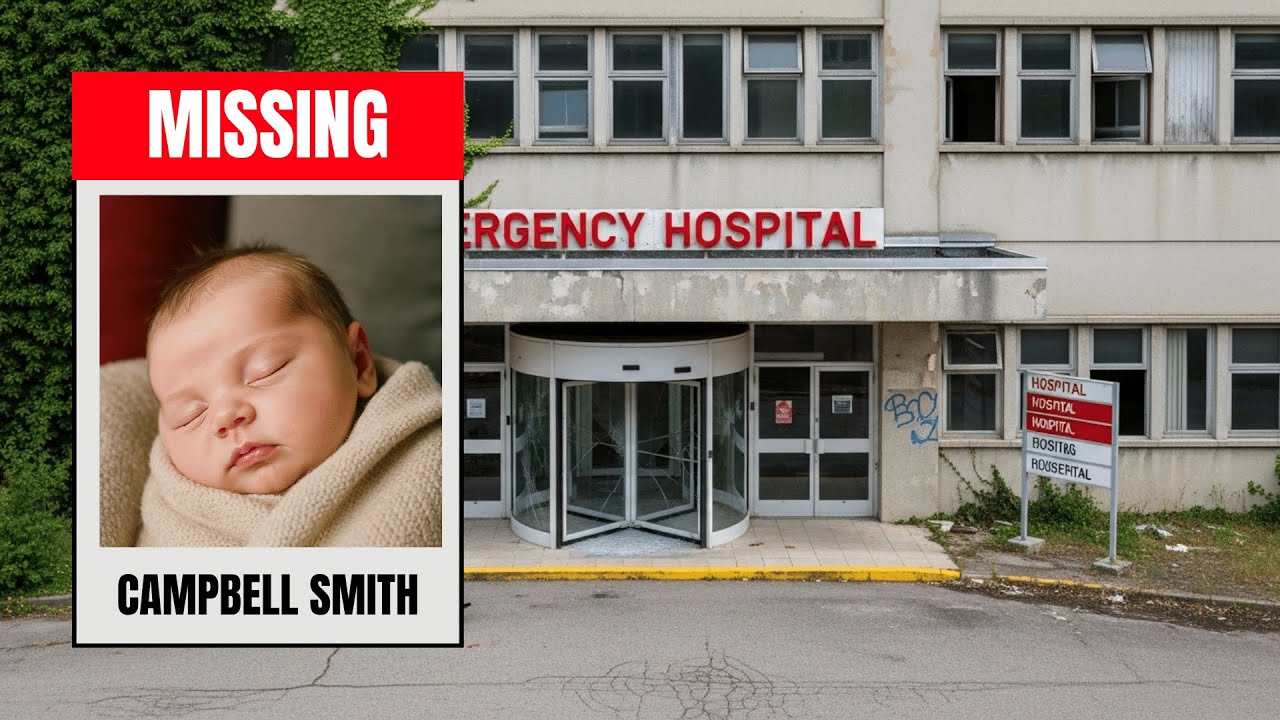
Jackie was allowed to keep her daughter for ten days. During that time, nurses referred to the baby only as “the little one,” and Kevin visited each morning, memorizing details he feared he would lose. On the sixth day, a social worker informed them the adoptive family would collect the child directly from the hospital. On the tenth day, at 9:07 in the morning, a nurse lifted Hillary from Jackie’s arms and carried her out of the room.
Before leaving the hospital that afternoon, Jackie was given a copy of the birth certificate. It bore the name Hillary Jordan. Kevin had already pocketed a scrap of paper with the baby’s birth time, weight, and hospital number. He would keep that slip in a locked tin box for the next fifty years.
Kevin and Jackie married a few years later and had three more children. They built an ordinary working-class life, but they never spoke about Hillary. Every March, Kevin made a silent trip back to the old hospital grounds to leave flowers. Jackie wrote letters to her first daughter over the years, tucking them between cookbooks and under winter scarves, never mailing them.
She died of cancer in 2013, but not before making Kevin promise that if he ever found their daughter, he would tell her she was never forgotten. After Jackie’s death, Kevin found more than thirty of her letters tied with a ribbon. He began searching in earnest, but adoption records from that period were sealed by law. He wrote to the producers of the television program Long Lost Family, explaining that he simply wanted to know if his daughter was all right.
Researchers eventually located a woman born at the same hospital on the same day under a matching adoption reference number. Her name was Hillary Campbell Smith, and she lived less than forty miles from Kevin’s home. The program reached out to Hillary with a letter stating that someone from her past had made contact. She had grown up with loving adoptive parents who had passed away, living a steady life as an accountant with no interest in tracing her biological family.
The letter stirred a cautious curiosity, and she agreed to let the researchers continue. When the meeting was arranged, neither party knew the other’s identity. Hillary arrived first at a quiet walled garden outside Salisbury. Kevin walked slowly down the gravel path, and the moment their eyes met, he whispered, “It’s you.
” She replied, “You’re my father. ” They embraced without drama, and later, she saw her original birth certificate for the first time. The name printed on it was Hillary Jordan. DNA testing officially confirmed the biological relationship.
In the months that followed, their connection grew through small, careful steps: Sunday phone calls, quiet meals at a café between their towns, and conversations about ordinary things. Hillary eventually called him “dad,” and he kept the porch light on every night, a habit he had maintained for decades. Kevin died peacefully in his sleep in 2029. Hillary was the one who found him.
She held a small funeral at the church where he had married Jackie more than fifty years earlier. After the burial, she found a note he had left in the old tin box. It read: “The light can rest that evening. ” She switched off the porch light, and the darkness that followed felt whole rather than empty.
Hillary now volunteers for an adoption charity, helping others navigate the difficult process of tracing birth relatives. Each March, she visits her parents’ grave and places two bouquets side by side. The old brick house in Royal Wootton Bassett still stands, and on certain evenings, the new owners’ motion-sensor light flickers briefly, as if remembering the years a father kept it burning while he waited.