Karl Hermann Frank was one of the most powerful Nazi officials in the Protectorate of Bohemia and Moravia, a man whose name became synonymous with terror, mass executions, and the destruction of Czech villages. He was born on January 24, 1898, in Karlovy Vary, then part of Austria-Hungary. His father Heinrich was an elementary school teacher and a fervent German nationalist who raised his son under the influence of the German nationalist movement.
When Karl was nine or ten years old, a stone struck him directly in the eye while he was playing with other children. Doctors tried for years to save the eye, but it had to be removed in 1918 and replaced with a glass one. Frank was sixteen when World War I began on July 28, 1914. He attempted to enlist in the Austro-Hungarian army but was rejected because of blindness in his right eye.
In October 1918, the Czechoslovak National Council in Prague declared Czechoslovakia's independence. Fifty percent of the new state's population were Czechs, twenty-two percent were Germans, and sixteen percent were Slovaks. Frank was a Sudeten German, the term for ethnic Germans living in Czechoslovakia, and he became an extremist advocate of annexing the Sudetenland, where he lived, to Germany.
He became an active member of the National Socialist German Workers' Party in Czechoslovakia, joining in 1919. A year later, in 1925, Frank opened a bookstore specializing in national socialist literature. Adolf Hitler and the Nazi Party came to power in 1933, partly because many Germans could not accept their country's defeat in World War I and claimed that betrayal and weakness on the home front had crippled and ultimately caused its collapse. They asserted that Jews had done much to spread defeatism and thereby destroyed the German army. They interpreted the terms of the Versailles Peace Treaty and the heavy reparations it imposed as the victors' revenge and a glaring injustice.
From 1933, the Nazi regime began restricting the civil and human rights of Jews and established the first concentration camps, while also demanding the return of the Sudetenland to the German Reich. That same year, the National Socialist German Workers' Party was banned in the First Czechoslovak Republic. On October 1, 1933, the Sudeten German Home Front was founded at the initiative of Konrad Henlein, a leading Sudeten German politician. Karl Hermann Frank joined it that same year and helped organize it.
In April 1935, at the request of the Czechoslovak government, the party was renamed the Sudeten German Party, or SdP. In the parliamentary elections of May 19, 1935, the SdP became the strongest party in Czechoslovakia with 15.2 percent of the vote. Frank was elected a member of the Czechoslovak parliament, and when he also became deputy chairman of the SdP that year, the party gradually radicalized. Meanwhile, the influence of the German Nazi dictatorship grew stronger, and several groups within the party were financed by Germany.
The SdP became the main pro-Nazi force working for the country's breakup and its annexation to Germany. The party officially coordinated this policy with Nazi officials with the aim of incorporating the German-speaking parts of Czechoslovakia into the German Reich. By 1938, the party had over 1.3 million members, representing 40.6 percent of Czechoslovakia's ethnic German citizens, making it one of the largest fascist parties in Europe at the time.
The situation culminated on April 24, 1938, when SdP leader Konrad Henlein presented his demands to the Czechoslovak government at a congress in Karlovy Vary. These included full equality for Sudeten Germans with the Czech nation, their legal recognition, self-government, and the right to freely decide on joining Nazi Germany. The Czechoslovak government rejected the demands but declared it was willing to grant the German minority more minority rights.
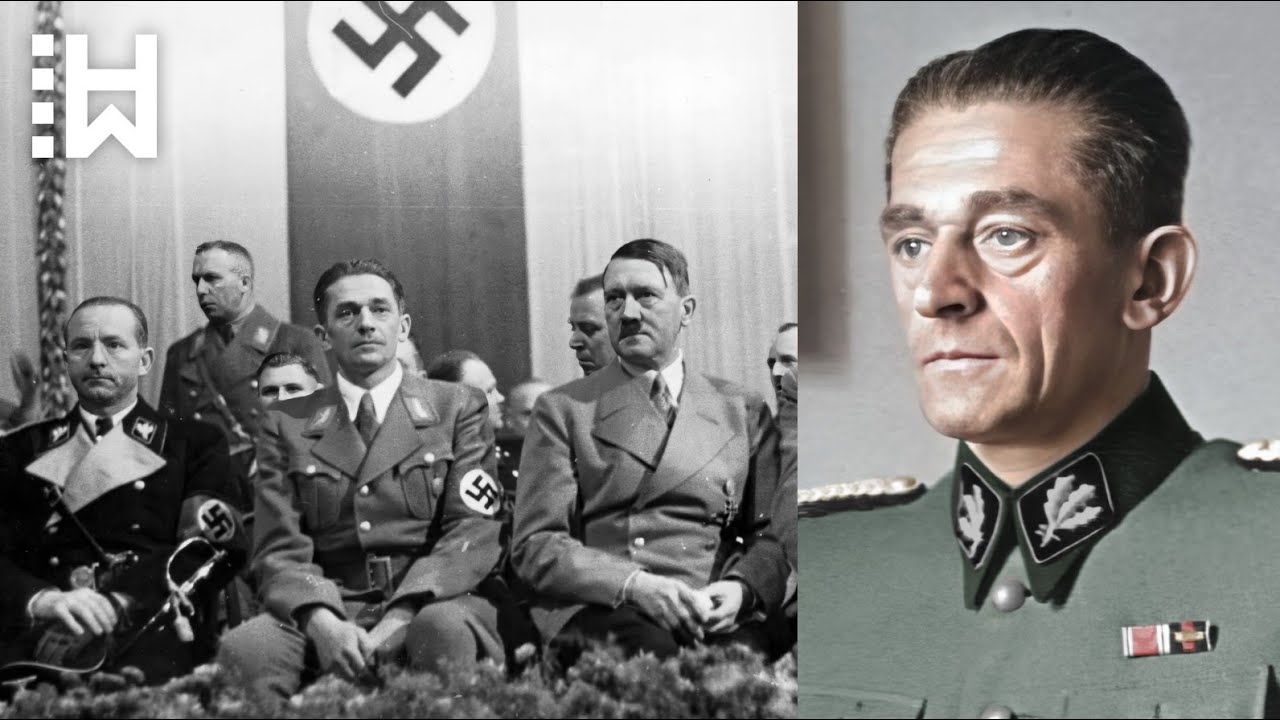
When Adolf Hitler annexed Austria to the German Reich over three days between March 11 and 13, 1938, the fact that the British and French did not intervene against him for violating the Versailles Treaty encouraged him to further aggression. In late summer 1938, Hitler threatened to unleash a European war if the Sudetenland was not ceded to Germany. That part of Czechoslovakia also contained the defensive positions of the Czechoslovak army in the event of war with Germany.
On September 29 and 30, 1938, a conference of the leaders of Great Britain, France, Italy, and Germany was held in Munich. In the so-called Munich Agreement, the annexation of the Sudetenland by Germany was approved in exchange for Hitler's promise of peace. The Czechoslovaks were not invited to the conference and felt betrayed by the British and French governments. Many Sudeten Germans, however, welcomed the German annexation of the Sudetenland, and Karl Hermann Frank was one of them.
While Konrad Henlein was appointed Gauleiter, the regional leader of the Nazi Party in the Sudetenland, Frank became his deputy. On November 1, 1938, he joined the Nazi Party. On March 15, 1939, less than six months after the annexation of the Sudetenland, Nazi Germany attacked and occupied the remaining Czech parts of Czechoslovakia and established the Protectorate of Bohemia and Moravia, which, unlike the Sudetenland, was made up mostly of ethnic Czechs.
Immediately after the Nazis occupied the whole country, new anti-Jewish laws were adopted to exclude the more than 118,000 Jews living in the Protectorate from society and restrict their means of livelihood. Their bank accounts were frozen, and they were forbidden to sell businesses and real estate, which were confiscated and taken over by Germans. In total, the Germans seized Jewish property in the Protectorate of Bohemia and Moravia worth about half a billion dollars.
After the occupation of the Czech lands, Frank was promoted to SS-Gruppenführer, a rank equivalent to lieutenant general, and appointed State Secretary of the Reich Protectorate of Bohemia and Moravia under Reich Protector Konstantin von Neurath. In late April 1939, Heinrich Himmler, the leader of the SS, also appointed Frank Higher SS and Police Leader in the Protectorate. As a result, Frank held great power in the Protectorate, controlling the Nazi police apparatus, including the SD intelligence service and the security police, which consisted of the Gestapo and the Kripo, the criminal police.
World War II began on September 1, 1939, when Germany attacked Poland. While in the Protectorate's first months the Czech public turned to mere passive resistance, later growing expressions of national feeling eventually provoked the anger of Nazi officials, who soon banned the singing of patriotic songs in public spaces. Despite official bans, new expressions of resistance occurred. One took place on the first anniversary of the signing of the Munich Agreement on September 30, 1939, when a boycott of all Prague public transport was organized.
A mass demonstration was to be held on Czechoslovak Independence Day, October 28. That day, Czech students took to the streets to demonstrate against the Nazi occupation. As the crowd of demonstrators grew, the protesters became bolder and began openly expressing their patriotic feelings, singing the national anthem in Czech and Slovak, chanting anti-German slogans, and demanding the return of a free republic. Some groups of students also smashed the windows of German shops.
The Nazis responded harshly. German civilian police began firing randomly into the crowd. As a result, fifteen people were injured and two died, including the popular medical student Jan Opletal. At Opletal's funeral on November 15, about 3,000 students gathered. While the procession was initially peaceful and closely watched by the security police, the situation escalated when some smaller groups of students began singing the anthem and patriotic songs and shouting provocative slogans. In addition, the driver of Karl Hermann Frank's car was beaten.
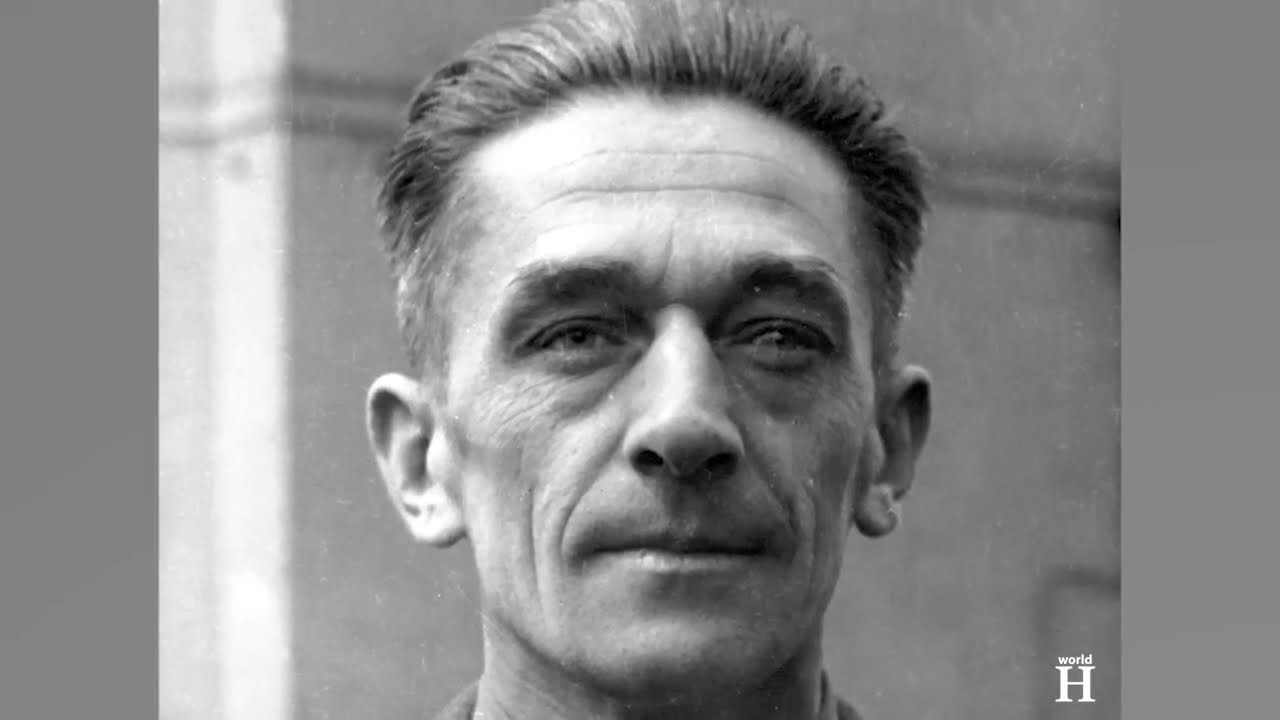
The incident angered Frank, who insisted that the Czech people be treated more harshly, and he did so. The Nazi response was brutal. On the night of November 16, 1939, on the orders of Konstantin von Neurath and Karl Frank, the Gestapo raided student dormitories in Prague and Brno and arrested hundreds of students, taking many others from their homes. It is estimated that more than 1,200 students were deported to the Sachsenhausen concentration camp, where 35 of them died. The next day at dawn, the Germans shot nine alleged leaders of the demonstrations, including eight students.
All Czech universities and institutes were closed, first for three years and eventually until the end of the war, affecting more than 15,000 students and 1,300 university teachers. On September 23, 1941, Hitler relieved Neurath of his active duties and daily powers. The reason was that, despite the persecution of Czech Jews and the harsh crackdown on protesting students, his administration was overall too mild by Nazi standards. Neurath even tried to limit the excesses of his police chief Karl Frank.
On paper, Neurath remained Reich Protector, but real power was in the hands of Reinhard Heydrich, who was appointed his deputy on September 29, 1941. The Führer tasked him with enforcing policy, combating resistance to the Nazi regime, and maintaining production quotas of Czech engines and weapons, which were immensely important for the German war effort. After arriving in Prague, Heydrich told his team to Germanize, and he demanded a racial classification of those who could and could not be Germanized.
Although working relations between Heydrich and Karl Hermann Frank were initially tense, the two ambitious and brutal men became an effective duo in their harsh treatment of Czechs. The following month, in October 1941, systematic deportations of Jews from the Protectorate began, with transports to the Lodz Ghetto in German-occupied Poland. By November 3 of that year, 5,000 Jews had been deported to the ghetto. Of those 5,000, only 270 survived.
In November 1941, Reinhard Heydrich established the Terezin Ghetto in the fortress town of Terezin in the Protectorate of Bohemia and Moravia. The first transport of Czech Jews arrived that same month. Heydrich and Frank launched a reign of terror in the Protectorate. According to Heydrich's estimate, by February 1942, 4,000 to 5,000 people had been arrested and 400 to 500 executed. The Czechs gave their Nazi tyrant the nickname "the bloody dog."
One of the Czechs arrested and executed during the Nazi occupation was Alois Elias, who had been prime minister of the puppet government of the German-occupied Protectorate of Bohemia and Moravia from April 27, 1939, until September 27, 1941, when he was arrested for his participation in the anti-Nazi resistance. Elias was the only prime minister murdered by the Nazis during World War II. He was executed on June 19, 1942, less than a month after the assassination of Reinhard Heydrich.
Heydrich was sitting in his Mercedes convertible when Czechoslovak paratroopers Josef Gabcik and Jan Kubis fatally wounded the Nazi architect of the Holocaust on May 27, 1942. Heydrich developed an infection and died eight days later. His funeral in Berlin was attended by all senior Nazi officials, including his superior Heinrich Himmler and Adolf Hitler himself, who spoke at the funeral and promised retribution.
Karl Frank and the new deputy Reich Protector Kurt Daluege played a key role in the massacre of civilians and the destruction of the Czech villages of Lidice and Lezaky on June 9, 1942, in retaliation for Heydrich's death. Frank ordered all the men in Lidice to be shot, all the women sent to concentration camps, and the children he considered worthy of Germanization to be placed in the care of SS families. Children unsuitable for Germanization were also murdered. Frank was seen personally arriving to inspect the destruction of the village and was reportedly satisfied with the results.
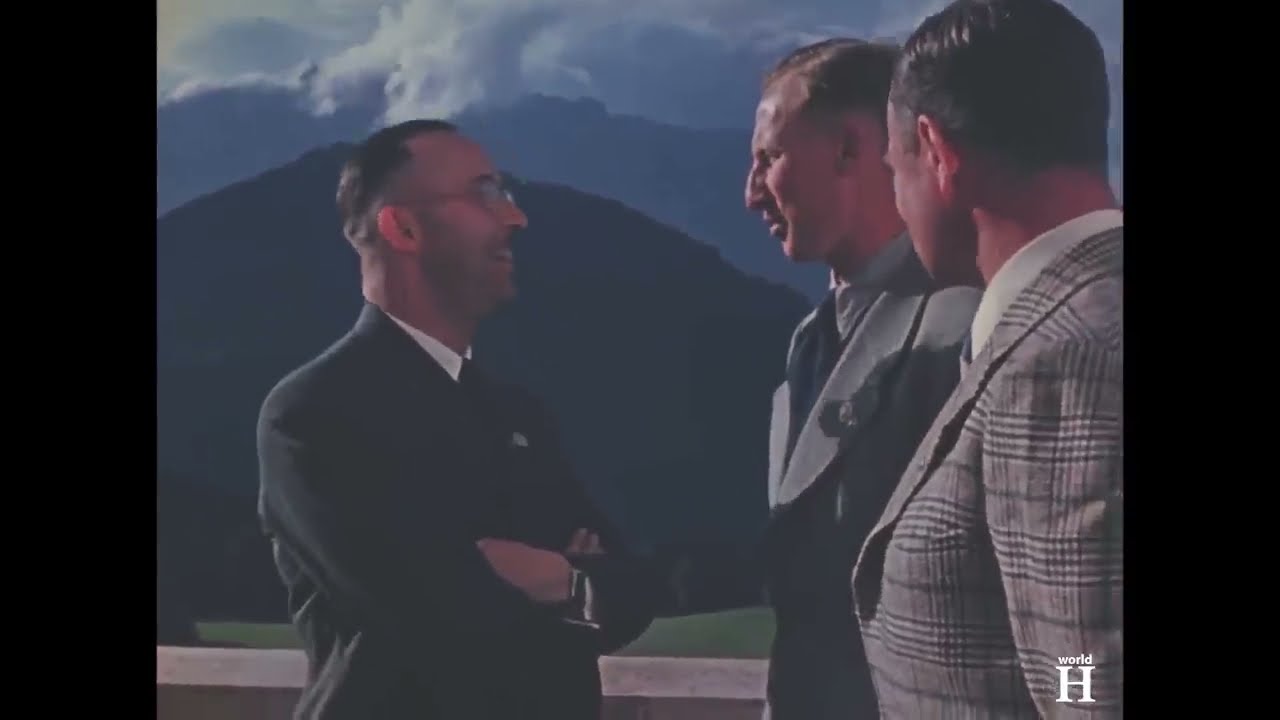
In total, 340 inhabitants of Lidice were killed: 192 men, 60 women, and 88 children. All the men and boys were shot and buried in a single mass grave. The children were murdered in gas vans at the Chelmno extermination camp. Four pregnant women were forced to have abortions in the same hospital where Heydrich died.
Deportations of Jews continued after the assassination of Reinhard Heydrich. On October 26, 1942, less than 48 hours after the arrival of the last transport from Terezin to Treblinka, the SS dispatched the first transport to Osvetim with 1,866 people. After arrival, SS members selected 247 people, mostly men, who were registered as prisoners. The remaining 1,619 were killed in the gas chambers.
In June 1943, Frank was promoted to SS-Obergruppenführer, a rank equivalent to general, and also became a general of the Waffen SS. Because in May 1943 the deputy Reich Protector Daluege suffered a severe heart attack and became seriously ill, he was relieved of all daily duties in August of that year, and Wilhelm Frick was appointed the new Reich Protector. That same month, Frank was appointed State Minister for Bohemia and Moravia, gaining a government function and status.
In 1944, Frank personally led anti-partisan operations in Moravia with the aim of destroying the Jan Zizka partisan brigade, the largest partisan unit in the Protectorate. On November 3, Karl Hermann Frank ordered mass executions of suspected partisans along with those suspected of helping them. The bodies of the executed were to remain exposed in a public space for 48 hours. Despite these executions and the deployment of 13,000 soldiers, the Germans failed to destroy the partisan brigade, which remained active until the end of the war.
In April 1945, when Frank saw that his reign of terror was at an end, he decided to flee Prague and surrender to the Americans, fearing he would be captured by the Russians. On May 9, 1945, Karl Frank was arrested by units of the American army, but his plan failed because he was handed back to Prague. In 1946 he was tried by the People's Court. Although no lawyer wanted to defend him, he eventually got one.
At trial, he claimed he did not feel guilty but co-responsible, because he had only carried out the orders he received and represented only a small part of the criminal Nazi regime. He denied personal responsibility for the executions, although before the tribunal he admitted that by human feelings and human laws they could be considered murder. On May 21, 1946, the People's Court sentenced Karl Hermann Frank to death by hanging for treason and the massacre of the civilian population of the Czech villages of Lidice and Lezaky.
Frank did not come to terms with his fate. Although he had never shown mercy to anyone among the Czech people, he turned to Czechoslovak President Edvard Benes with a request for clemency. Frank wrote to Benes that he believed that as a victor he would show mercy and grant him his life. However, he was mistaken; no reply came to his telegraphic appeal.
His execution was carried out publicly and became a theater of horror. More than 5,000 people gathered at Pankrac Prison, including seven surviving women from Lidice who sat in the front row to witness the execution of the man who had ruled the Protectorate of Bohemia and Moravia. Karl Hermann Frank was hanged on May 22, 1946, at the age of 48. To the bitter end he remained a sworn Nazi, and his last words were: "Germany must live even if we die. Long live the German nation. Long live the German spirit."
His second wife, Karola, was arrested, taken to the Soviet Union, and sentenced to 12 years in prison. She ultimately spent 10 years at forced labor in a Kazakh gulag. She was released in 1955 and moved to West Germany, where she also managed to find their three children, who had grown up in new families under new names. No tears were shed for Karl Hermann Frank.