Sandringham Estate occupies a peculiar place in royal history. It was never inherited like a crown. It was purchased in 1862 by Queen Victoria as a private residence for her eldest son, the future Edward VII, who needed distance from his grieving mother and the weight of the court. The family paid £220,000 for the Norfolk property, a sum approaching £30 million in today’s money.
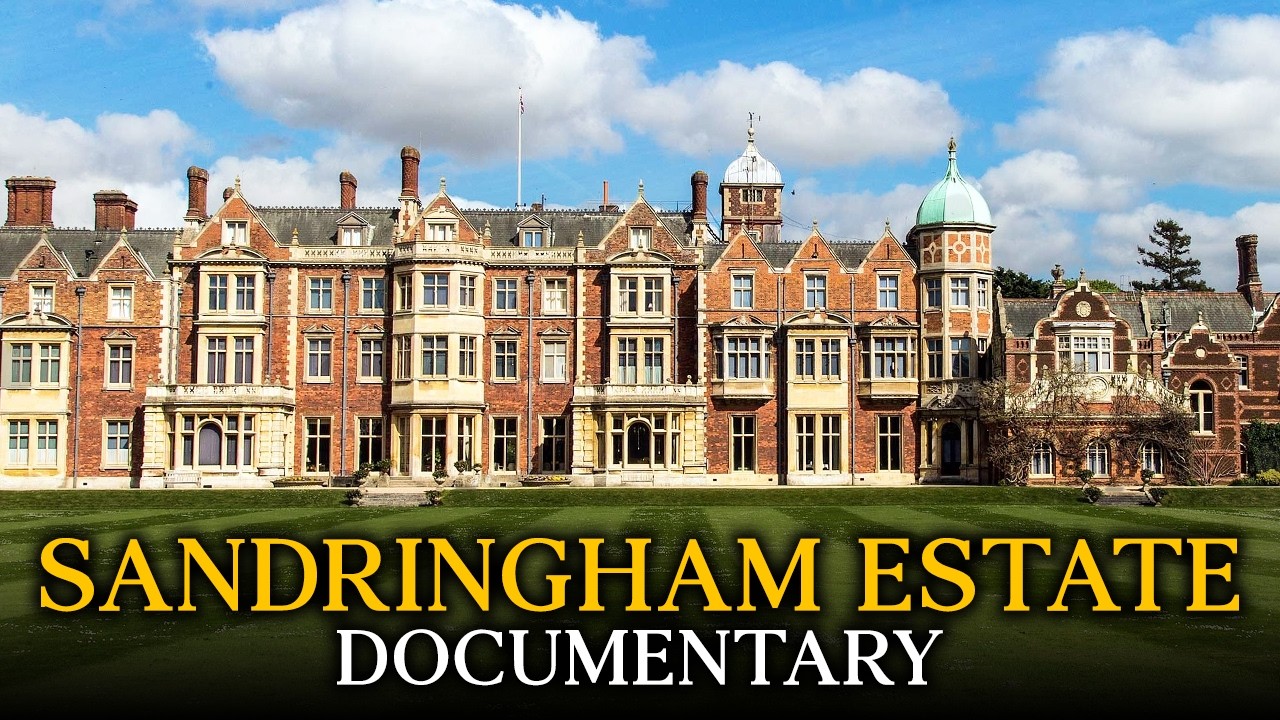
That private ownership mattered. It meant the estate answered to no parliament, no public trust, and no heritage organization, allowing the family to control access and manage their own narrative. The house was rebuilt in red brick and cream stone, designed to resemble an English country manor from centuries earlier. But the architecture also served a practical purpose.
Hallways bend, staircases lead to private wings, and service corridors allow staff to move between floors without appearing in main rooms. This design made discretion possible. It allowed illness to be hidden, conflict to be contained, and people to disappear from public view without anyone outside the estate knowing where they had gone. Over time, that privacy enabled a series of royal endings.
Prince John, youngest son of George V and Queen Mary, was born in 1895 but began showing signs of developmental delay and epilepsy as a child. In the early 20th century, epilepsy carried a heavy stigma, and the family chose to conceal his condition. By age 11, John had been moved to Wood Farm, a cottage on the estate grounds, where he lived under the care of his nanny, Lala Bill. He was kept apart from official family events and largely erased from public view.
He died there on January 18, 1919, at age 13, after a severe seizure. His family was at the main house when he died, and the funeral was small and private. George V died at Sandringham in January 1936. The king was 70 years old, suffering from bronchitis, heart trouble, and a lung infection, and the cold Norfolk air worsened his condition.
Lord Dawson of Penn, the king’s physician, controlled the flow of information to the public. Years later, Dawson’s notes revealed that he hastened the king’s death with a lethal dose of morphine and cocaine. He wanted the king to die late in the evening so the announcement would appear in the morning edition of the Times rather than in evening tabloids. The decision was made with the family and officials inside that closed bedroom, far from oversight.
George VI, who became king after his brother Edward VIII abdicated in December 1936, also died at Sandringham. He had never wanted the throne and suffered from a stammer, chronic anxiety, and declining health. He worked relentlessly during World War II and smoked heavily, which damaged his lungs and contributed to arterial disease. By 1949, doctors diagnosed him with early-stage lung cancer, though the public was not told.
In early February 1952, he participated in a shooting party at Sandringham. That night, he went to bed early. He died in his sleep on February 6, 1952, at age 56. The morning after George VI’s death, the estate moved through a precise protocol.
A valet found the king’s body at 7:30 a. m. The first phone call was made at 8:05. A coded phrase, “Hyde Park Corner,” was used to inform the prime minister’s office that the king had died, allowing time for the government to prepare.
At the time, Princess Elizabeth was in Kenya. She learned of her father’s death on February 6 and returned to Britain as queen. The BBC announced the king’s death to the nation later that afternoon. The pattern of deaths at Sandringham has fed public speculation.
Prince John died there in 1919, George V in 1936, and George VI in 1952. Newspapers have framed these deaths as eerie coincidences, and some writers have suggested the estate is haunted. Staff members over the years have reported cold spots, footsteps, and a lingering sadness near Wood Farm. Others have dismissed such claims as sentimentality.
The estate’s isolation, its cold and damp climate, and its distance from major hospitals provide more grounded explanations for why aging monarchs with respiratory and heart conditions died there. Sandringham remains privately owned and is used as a working estate with agricultural land, tenant farmers, staff cottages, and a stud farm. Tourism helps offset maintenance costs when the family is not in residence. The public tour route covers only about 20 rooms, while an estimated 150 additional rooms remain private.
The bedrooms where kings died are not open to visitors. The family controls the building and therefore controls the narrative. They offer just enough access to satisfy public curiosity, but the spaces where history actually happened remain sealed. The estate is a balancing act between private ownership and public interest.
The family must justify keeping a property this expensive while also protecting their privacy. The Gothic reputation makes Sandringham memorable and attracts tourists, but it undermines the image of warmth and family tradition the royals try to project. The house is both a place of joy and a place of endings, and the two narratives have become difficult to separate. The family continues to return each December because tradition demands it.
The routine has not changed in over a century. But Sandringham has become a stage where private suffering is managed without the audience knowing what happens backstage. The estate does not kill anyone, but it provides the physical infrastructure for the family to hide illness, control information, and manage death on their own terms.
The cost is measured in isolation, delay, and stories distorted by the refusal to speak plainly about what happened.