In February 1962, Marilyn Monroe purchased a Spanish Colonial-style home in the Brentwood neighborhood of Los Angeles for $75,000. It was the only property she ever owned independently, offering a private sanctuary from the pressures of Hollywood.
The year 1961 had been especially difficult for the star of *Some Like It Hot*. Despite her celebrated career, she faced professional setbacks, health problems, and a widely publicized struggle with depression. The house represented a fresh start, or at least a stable refuge from the relentless demands of fame.
In a strangely prophetic touch, Monroe had the Latin phrase *Cursum Perficio* inscribed above the front door. It translates to “My journey ends here,” echoing her desire for peace and finality.
Tragically, her time in the home was brief. She lived there for only six months before her death from a drug overdose on August 4, 1962. The house became the site of her untimely passing and quickly drew intense public fascination.
Over the years, the property changed hands multiple times and underwent several renovations. Each new owner altered its character, but the memory of its tragic former resident never faded.
In July 2023, the home was purchased for $8.3 million by new owners who sought to demolish the historic structure. Their goal was to expand their adjacent estate, sparking a major legal battle over the preservation of the iconic property.
The house at 12305 Fifth Helena Drive was built in 1929. It is a one-story hacienda-style residence, a notable example of Spanish Colonial Revival architecture with rustic charm and elegant simplicity.
The home sits on a roughly 3,000-square-foot plot at the end of a quiet cul-de-sac. Its English “L” shape is defined by adobe walls and a traditional red tile roof, hallmarks of its architectural style.
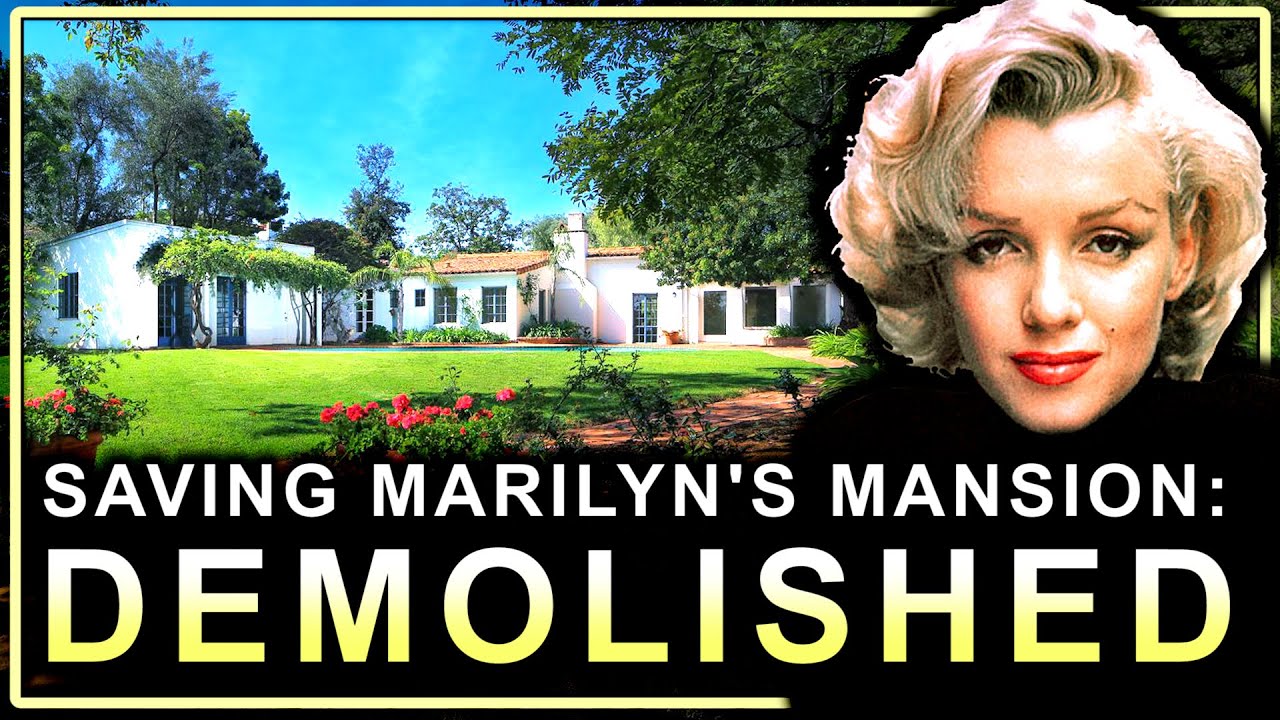
Inside, the entrance leads to a picturesque living room with a vaulted ceiling of wooden beams and planks. A fireplace anchors the space, decorated with tiles Monroe personally selected during her travels to Mexico.
Monroe’s influence is felt throughout the residence. Her preference for Mexican furniture, artwork, and tiles gave the home a deep sense of personal identity and connection.
The dining room was transformed by Monroe into a private space, featuring wall-mounted cabinets and a wooden beam that often served as a backdrop for her photographs. The kitchen, extensively renovated during her time there, balanced functionality with style.
The main bedroom served as a peaceful retreat, with direct access to the lush backyard and its kidney-shaped swimming pool. It had its own fireplace and a relocated exterior door, offering Monroe a quiet escape.
The property originally had two bedrooms and a dedicated telephone room, a necessity reflecting the demands of her stardom in the 1960s. Outside, the grounds included the pool and a lemon garden where Monroe enjoyed afternoons with her poodle.
A small guest house on the property was under renovation at the time of Monroe’s death. It has since been integrated into the main house, expanding the living space and improving the home’s overall functionality.
Monroe’s choice of residences throughout her life reflected her evolving personal journey. Her early homes were modest, echoing her simple lifestyle as an aspiring model and actress.
By 1952, she lived in a Spanish-style villa in the Hollywood Hills, a home that foreshadowed the style of her final Brentwood residence. The 3,300-square-foot house featured heavy wood-beamed ceilings and French doors opening to terracotta balconies.

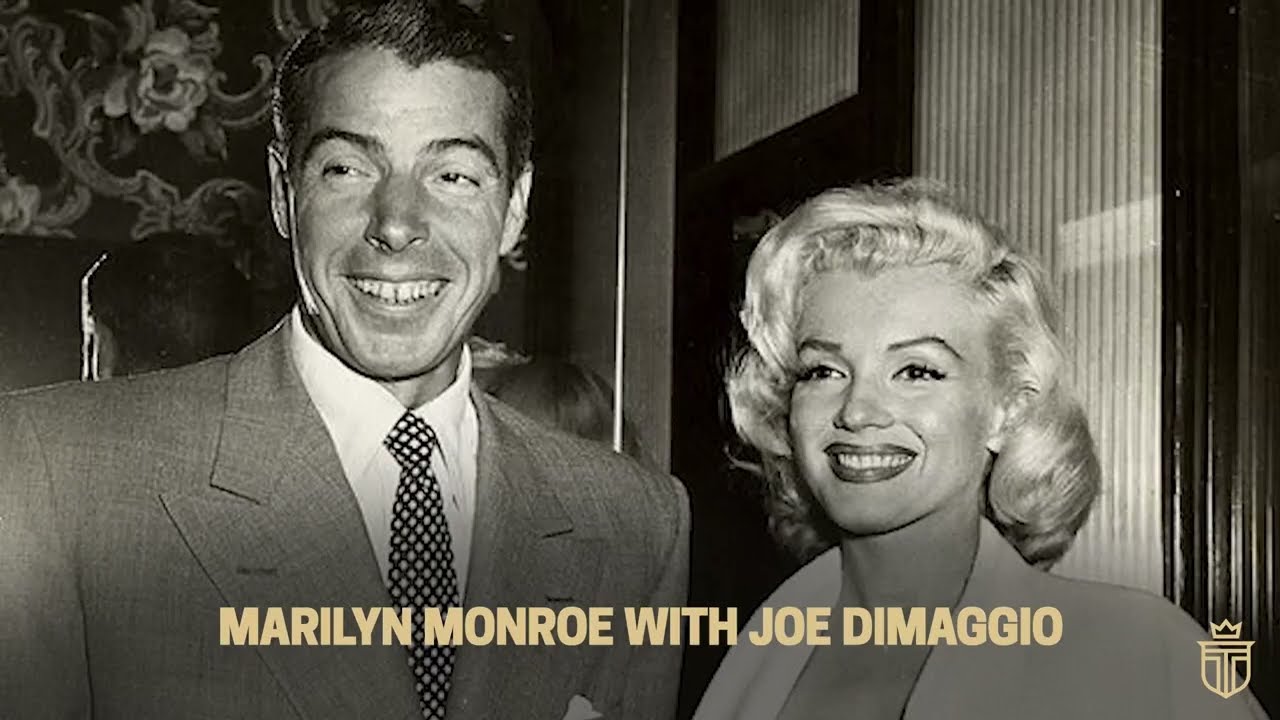
After her brief marriage to Joe DiMaggio ended, Monroe moved to a penthouse in the Granville Towers in West Hollywood. The two-story, 2,032-square-foot unit had floor-to-ceiling windows and sweeping city views.
Her time in New York was marked by a desire for artistic growth. She studied method acting under Lee Strasberg and spent time at a converted farmhouse in Connecticut with photographer Milton H. Greene.
One of her most significant residences was the New York City apartment she shared with playwright Arthur Miller. Located on the 13th floor of a pre-war building on East 57th Street, the 2,190-square-foot space was where Miller wrote the screenplay for *The Misfits*, her final film.
In each home, Monroe favored a minimalist, monochrome design palette, often decorating in shades of white. Her spaces were adorned with artwork by renowned artists such as Rodin, Goya, and Picasso.
Following Monroe’s death, her Brentwood home quickly became a site of curiosity and nostalgia. At least six offers were made to purchase the property the day after she died.
In 1963, the Nunes family won the bidding war, purchasing both the house and its furnishings. They later auctioned off the contents in 1997.
Over the decades, Brentwood itself underwent significant change. The quiet suburban area began attracting wealthy residents and celebrities due to its seclusion and proximity to central Los Angeles.
The neighborhood’s architecture evolved, with modernist designs joining the earlier Spanish Colonial, Georgian Revival, and Tudor styles. By the 1990s, gated communities and new residential developments solidified its reputation as an exclusive enclave.
In 2017, an LLC called Glory of the Snow acquired the property for $7.25 million. By 2023, ownership had transferred to a trust that wanted to demolish the home, sparking public outrage and preservation efforts.
Los Angeles City Councilmember Traci Park led the initiative to save the house. She proposed designating it as a Historic Cultural Monument, citing its status as Monroe’s last residence and only independently owned property.
The proposal gained support from the city council’s planning committee and the Cultural Heritage Commission. Preservation groups, historians, and countless fans rallied behind the campaign to save the home.
Despite the public support, the new owners, Brina Milstein and Roy Bank, remained determined to demolish the estate. They argued that extensive renovations had erased all direct connections to Monroe and expressed concerns about increased tourism.
The owners also claimed the landmark designation process was flawed and unconstitutional. They accused city officials of engaging in opaque transactions and colluding with outside groups to influence the outcome.
On June 26, 2024, the Los Angeles City Council voted unanimously, 12-0, to declare Monroe’s last home a Historic Cultural Monument. The decision placed the property on a protected list of roughly 1,300 sites, including about 444 private residences.
Councilmember Park emphasized the significance of Monroe’s legacy, noting the scarcity of historical recognition for women’s contributions in Los Angeles. She framed the designation as an effort to honor women’s lasting impact on the city’s cultural landscape.
The ruling now requires a strict review process for any future attempts to alter or demolish the property, effectively shielding it from immediate development pressure.
However, the controversy remains unresolved. Milstein and Bank continue their legal fight against the city’s decision, with a hearing scheduled for August 13, 2024.
As the legal battle continues, the fate of Monroe’s Brentwood home remains uncertain. The dispute highlights a broader debate over preserving cultural heritage versus respecting the rights of property owners.