From the moment of his birth in 1960, Prince Andrew was presented as a fairy tale come to life. He was the first child born to a reigning monarch in over a century, a chubby, laughing baby who captivated his mother, Queen Elizabeth II. Within the palace, he was spoiled by everyone, not just his parents. Nobody ever said no to him, and he did exactly as he pleased. As a baby, he wanted attention. As a child, he wanted attention. And as an adult, he still wanted attention.
This early indulgence set the stage for a life marked by arrogance and a deep sense of entitlement. Royal correspondents noted that Andrew was the Queen’s absolute favorite, perhaps her favorite child of all. This gave him a certain arrogance in his conduct, and his interactions with the public and the media spoke of a man who did not brook criticism and had little time for anyone else’s opinion. Some palace insiders coined a nickname for him: His Buffoon Highness.
Andrew joined the Royal Navy at 18, becoming the first of the Queen’s children to take a proper job. He served as a junior pilot on a Lynx helicopter. However, even in the military, he saw himself as a prince before he was a naval officer. The dedication, duty, and commitment expected of a naval officer were often subordinated to his image of himself and what he was entitled to.
A pivotal moment came in 1982 when Britain went to war with Argentina over the Falklands. Andrew was sent out on an aircraft carrier and performed a very dangerous job. He flew helicopters as decoys to draw away deadly Argentine missiles. He did not falter and was steadfast in his duties. When he returned from the Falklands War, he was greeted as a hero. He bounced down the gangplank with a red rose clamped between his teeth, and the nation celebrated with great pride.
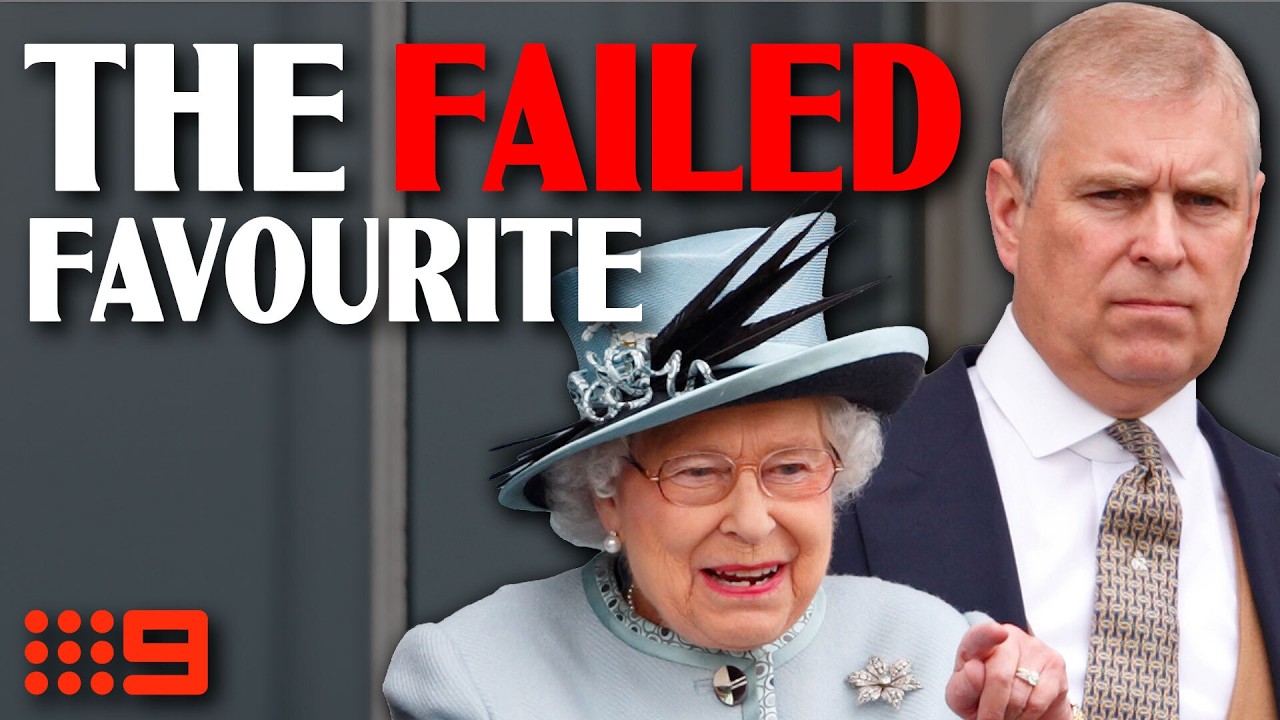
The war elevated his public image into the stratosphere. He was a gorgeous-looking prince and a war hero. Soon, the press gave him another nickname: Randy Andy. He seemed to have a lot of girlfriends, including movie stars and television presenters. At the time, few realized the depths he would eventually fall into.
Everything changed in the summer of 1985 when Princess Diana decided to play matchmaker. She introduced Andrew to Sarah Ferguson, known universally as Fergie. The public loved the story of Andrew and Fergie. Their wedding was absolutely huge, with crowds coming from all over the world. They appeared to be deeply in love, but very rapidly, they began to fall out of love. Andrew was away at sea a lot, and Sarah was left to fend for herself. They were living like millionaires, but the debt started to build up. The marriage ended in divorce in 1996, though they remained the happiest divorced couple in the world, living together at Royal Lodge.
Around the late 1990s, with his 40th birthday looming, Andrew began to change. He had reached the rank of commander in the Navy, but he was not going to make captain. This led to a debate about what he was going to do next. In 2001, he took up a position promoting British trade around the world. The role carried no salary, but all expenses were paid. Prince Charles was very much against Andrew securing this plum role, thinking he would exploit the position to pick up girls and play golf.
Andrew’s behavior as a trade envoy was often shocking. He would not stay with the ambassador at the residence, which was free, but instead wanted to stay in the best hotel on the island. He brought a much larger entourage than anticipated, including a valet who carried a six-foot ironing board because he was the only person who knew how to iron His Royal Highness’s trousers. His staff seemed to be petrified of him. He could fly off the handle at the smallest thing, be abusive, shout, and swear. He was described as the most unpopular member of the royal family.
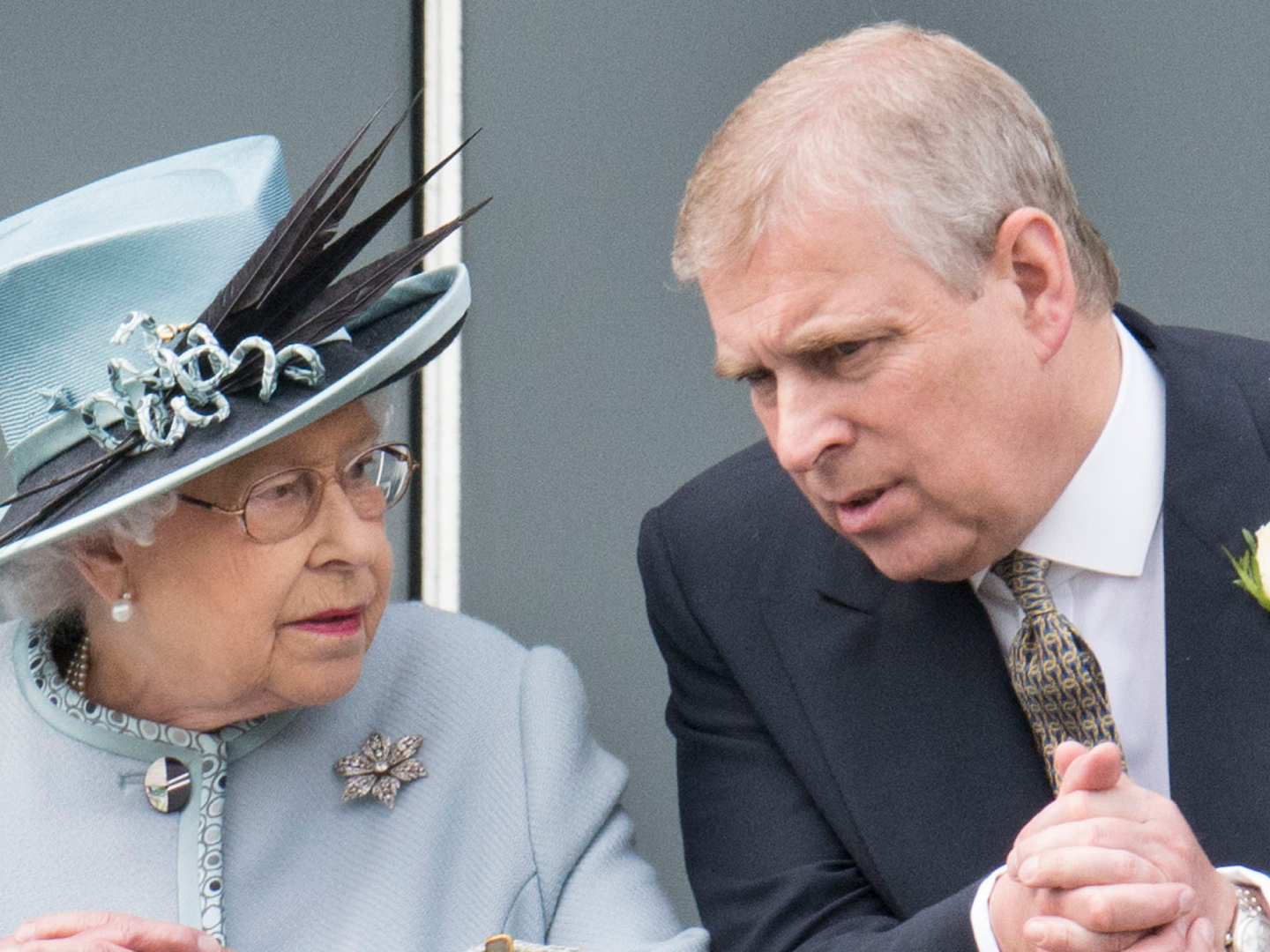
He became known as Air Miles Andy for his lavish travel habits. He ran up huge bills that the taxpayer had to pay, often involving a golf course, a yacht, or a nice hotel. There were questions about the sale of Sunninghill Park, the mansion the Queen had given him on his marriage. It was sold way above its market value to the son of the Kazakh dictator, raising red flags that seemed to be nodded through.
Around the turn of the century, Andrew formed an attachment with Ghislaine Maxwell, the daughter of the disgraced press tycoon Robert Maxwell. She was someone who could take him into the high life, organizing fun and introducing him to rich, influential people. Some of those new acquaintances would turn out to be very dangerous for him. This included a man named Jeffrey Epstein, a convicted pedophile.
Andrew was completely taken in by Epstein, who provided him with money, yachts, parties, business deals, and the company of young women. Epstein groomed him, seeking access to the royal family to open doors. Andrew appears to have knowingly shared confidential British government information with Epstein. Emails show Andrew forwarding details about his trade visits to Southeast Asia, Vietnam, and China, as well as details about the British government’s response to the global financial crisis. He also asked for a document and, within seconds, forwarded it to Epstein.
Andrew was also asked to help Epstein get close to the Libyan dictator Colonel Gaddafi. Epstein saw Andrew as a useful way to reach Gaddafi, who was thought to have many billions in offshore bank accounts. Andrew responded within hours, saying, “Libya fixed.”

In December 2010, a journalist received a tip that Prince Andrew was in New York and not working. She staked out Epstein’s mansion, the biggest private residence in Manhattan. She saw an awful lot of very young girls going in and out. Then, the front door opened and out came Andrew with Jeffrey Epstein. A photographer managed to get ahead of them and take the most amazing set of photographs. It was the first and only proof of the friendship between the convicted pedophile and Prince Andrew.
With that picture, Virginia Roberts Giuffre came forward. She claimed she was trafficked to Prince Andrew three times, in London, New York, and the Caribbean, where Epstein owned an island. Andrew denied ever meeting her. In 2019, he gave a disastrous interview to Emily Maitlis on Newsnight. He said he had no recollection of ever meeting Giuffre and made bizarre claims about a Pizza Express birthday party and a medical condition that prevented him from sweating. When asked if he regretted his friendship with Epstein, he said, “Still not,” because of the useful links Epstein brought him.
The interview was a complete disaster. Days later, Andrew stepped down from royal duties. In 2022, he reached an out-of-court settlement with Virginia Giuffre, paying her a reported 12 million pounds. The settlement included a non-disclosure agreement, which critics said was done to buy her silence.
The King has since initiated a formal process to remove Andrew’s style, titles, and honors. He is no longer known as Prince Andrew, but only as Andrew Mountbatten-Windsor. This is a full disgrace and pretty much unprecedented. He has been stripped of his titles and roles after revelations of his past dealings with Jeffrey Epstein. He has moved from his Windsor mansion to the Sandringham estate, and police have removed firearms from his new residence.
The arrest of Andrew Mountbatten-Windsor on suspicion of misconduct in public life has no precedent in modern British history. The last royal to be arrested was in 1647. The penalty for the charge goes up to a maximum of life imprisonment. It sends out a message that it doesn’t matter who you are or what your status is; you will be held to account.
The damage has been done. Andrew has done irreparable damage to his country, to his own family, and to the institution of monarchy that he pledged to serve. The bonny baby presented to the adoring public in 1960 was to cause immense damage to the reputation of Britain and the royals on the world stage. Each family often has a bad apple. This bad apple has been rotten for a long time.