On August 23, 1971, in Fort Worth, Texas, a 21-year-old mother made a decision that would haunt her for the rest of her life. She was rebuilding after a painful breakup, living with a roommate, and working long hours to support her 21-month-old daughter, Melissa Highsmith.
That morning, she placed a classified ad seeking childcare. A woman named Ruth Johnson responded. She sounded professional and polite. The mother, running late for her shift, never met the sitter in person. She told her roommate to hand Melissa over when the woman arrived.
A woman in white gloves and sunglasses knocked on the door. She smiled, said she was there for the baby, and walked out with Melissa in her arms. She never came back.
When Melissa’s mother returned home, her legs gave out. There was no note, no ransom demand, no trace. The police opened a missing person case immediately, but 1971 offered few tools. No security cameras. No cell phones. No alerts.
Flyers went up across Fort Worth. Melissa’s baby face, with a bow in her hair, was stapled to telephone poles and gas station windows. Leads came in, but every one went cold. A woman seen boarding a bus in Houston. A woman matching the description working in a diner in Oklahoma. Nothing checked out.
The FBI became involved. Interstate checks turned up nothing. Ruth Johnson did not exist.
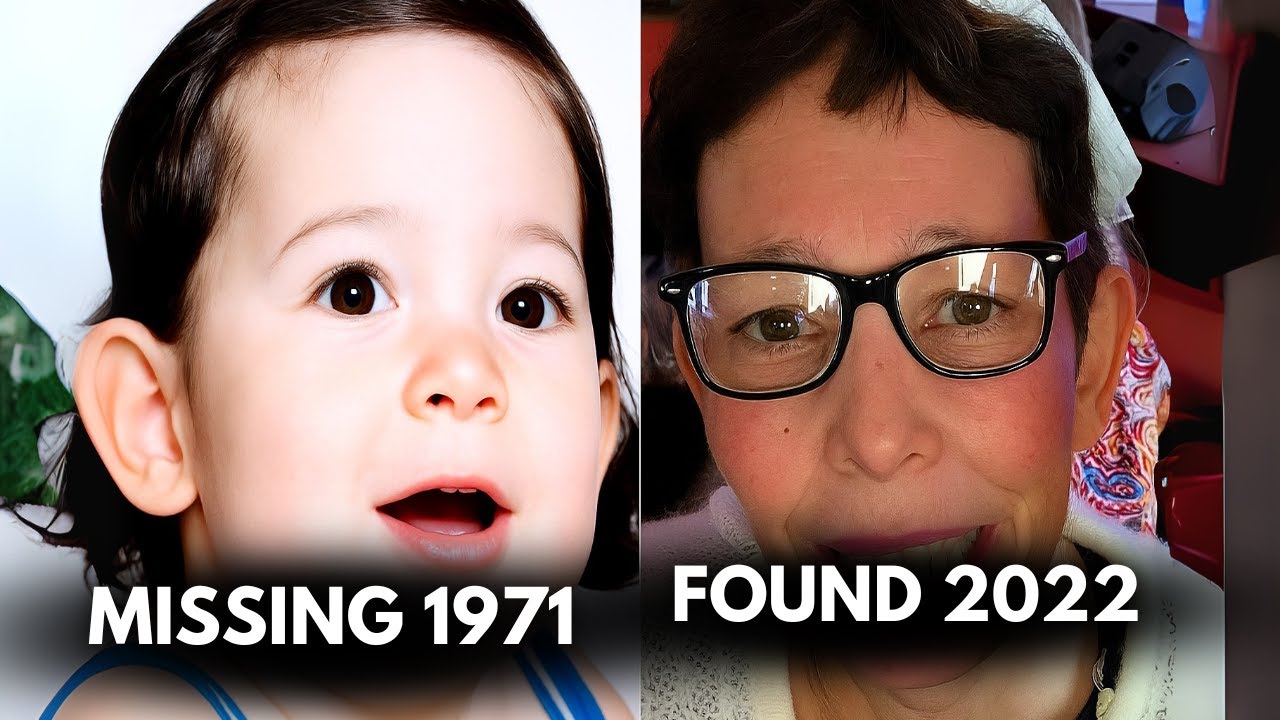
Years turned into decades. Melissa’s mother never gave up. She held onto the baby photo, lit candles, left the porch light on, and prayed her daughter would walk back through the door. But the case became one of America’s oldest unresolved child abductions.
What no one knew was that Melissa was alive and living just minutes away. She did not know she was missing. She did not know she had been taken. She did not know her name was not real.
She was raised as Melanie Walden. The woman who raised her was the same woman who answered that ad in 1971. She told everyone Melissa was her daughter. She kept the child isolated and controlled. Melissa was warned never to talk to strangers. She was told the world was dangerous. She was told never to question.
As a teenager, Melissa felt something was wrong. There were no baby photos. No birth certificate. No way to get her own ID. When she asked questions, the woman snapped, slammed doors, and told her she was broken. She said no one else would ever love her.
At 15, Melissa ran away. She slept under bridges, in shelters, on couches. She worked odd jobs and carried trauma she could not name. She grew into adulthood as a ghost, living under a name that was never hers. She married, had children, and tried to build a normal life. But something never settled.
She had no origin story. No idea where she was born or what her parents looked like. Just a silent gap stretching back to 1971.

Her real family kept searching. Her mother aged with grief. Her father carried guilt. Her siblings grew up with a hole in their hearts. Every birthday, they wondered if she was alive and if she knew who she was.
In 2022, Melissa’s father, Jeffrey Highsmith, ordered a 23andMe DNA kit. He did not expect a miracle. He just wanted to try. Weeks later, an email arrived. A new relative match. The name was Melanie Brown, a woman around 50 years old. The DNA link was undeniable.
The family started digging. They found photos. One look, and they knew. The cheekbones. The smile. The eyes. It was her.
They arranged a separate DNA test with Melissa, who was still living as Melanie Brown. She agreed, confused and terrified. The results came back a positive match. After 51 years, Melissa Highsmith had been found alive.
The reunion was private. No press. No fanfare. Just a home in Fort Worth and a room full of trembling hands. When Melissa walked in, her mother fell apart. Alta Apantenco had carried guilt her entire life. She blamed herself for trusting the wrong woman.
They embraced and sobbed. “You’re not a ghost anymore,” her sister whispered. “You’re real.”

Melissa saw her baby face on old flyers. She saw family birthdays without her. She realized a whole family had been mourning her while she was still alive.
The woman who took her was never identified. The statute of limitations had expired decades ago. There would be no arrest, no trial, no justice in the traditional sense. “I don’t need revenge,” Melissa later said. “I just needed the truth.”
Melissa legally changed her identity back to her birth name. She stood in court with her husband and reclaimed her life as Melissa Highsmith. She renewed her marriage vows and walked down the aisle escorted by her biological father. She reconnected with her siblings and celebrated her first birthday under her real name.
She began sharing her story to show that missing people can still be found. She joined organizations advocating for DNA-based cold case solutions. She encourages families to never stop searching.
“I felt like a puzzle piece with no picture for so long,” she said. “Now I know where I belong.”
Melissa says she lost decades but won the truth. Her case is part of a growing number of abductions solved not by tip lines, but by science and hope sealed inside an envelope. Her story carries one powerful belief: it is not over until they are home.