On September 1, 1939, Nazi Germany invaded Poland, triggering World War II. Poland was also invaded by the Soviet Union from the east on September 17. Warsaw officially surrendered on September 28, and Germany and the Soviet Union partitioned the country.
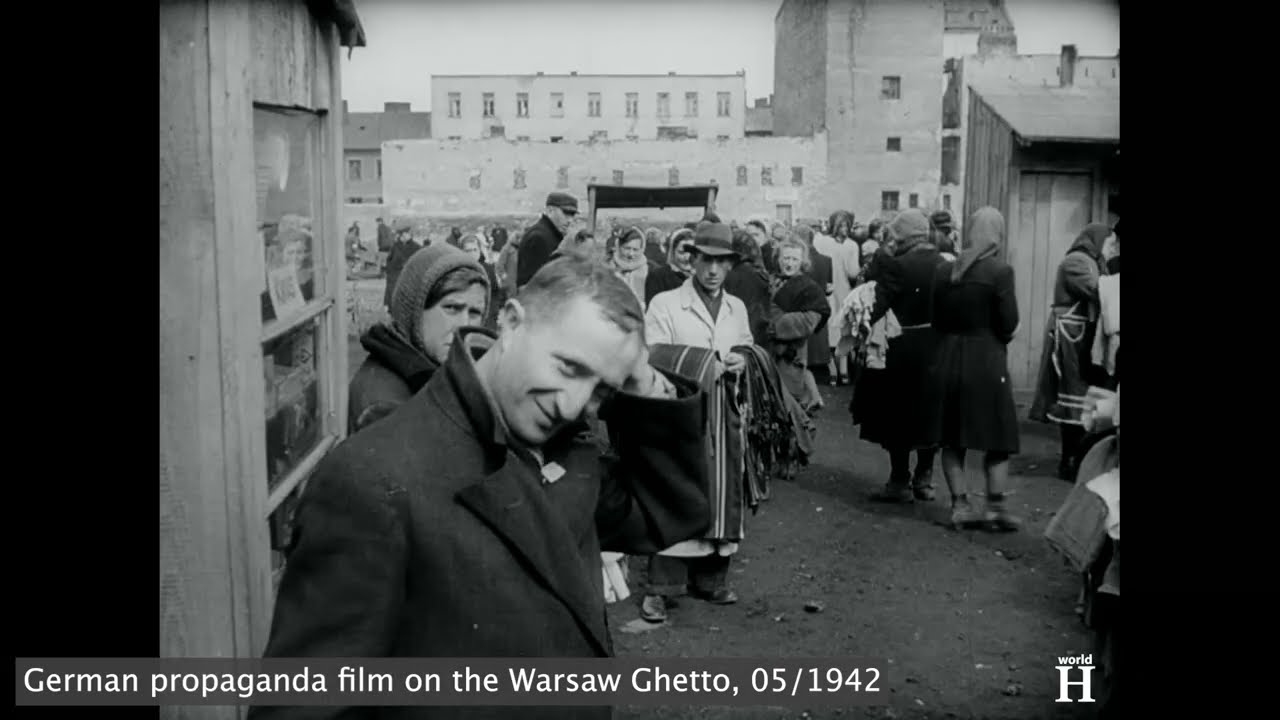
In the fall of 1940, German authorities established a ghetto in Warsaw, Poland’s largest city. Nearly 30 percent of Warsaw’s population was Jewish, and they were forced into just 2.4 percent of the city’s area. Over 400,000 Jews were confined in the ghetto, which was sealed off from the rest of the city in November 1940.
Conditions inside the ghetto were brutal. Extreme overcrowding, minimal rations, and unsanitary conditions led to disease and starvation. The average daily food ration for Jews in 1941 was limited to 184 calories, compared to 2,613 calories for Germans. Between 1940 and mid-1942, 83,000 Jews died of starvation and disease.
One of the main perpetrators of atrocities in the Warsaw Ghetto was Heinrich Klaustermeyer. He was born on February 22, 1914, in Bielefeld, then part of the German Empire. A trained car mechanic, he became unemployed during the Great Depression. He joined the Nazi Party and the SA in 1932.
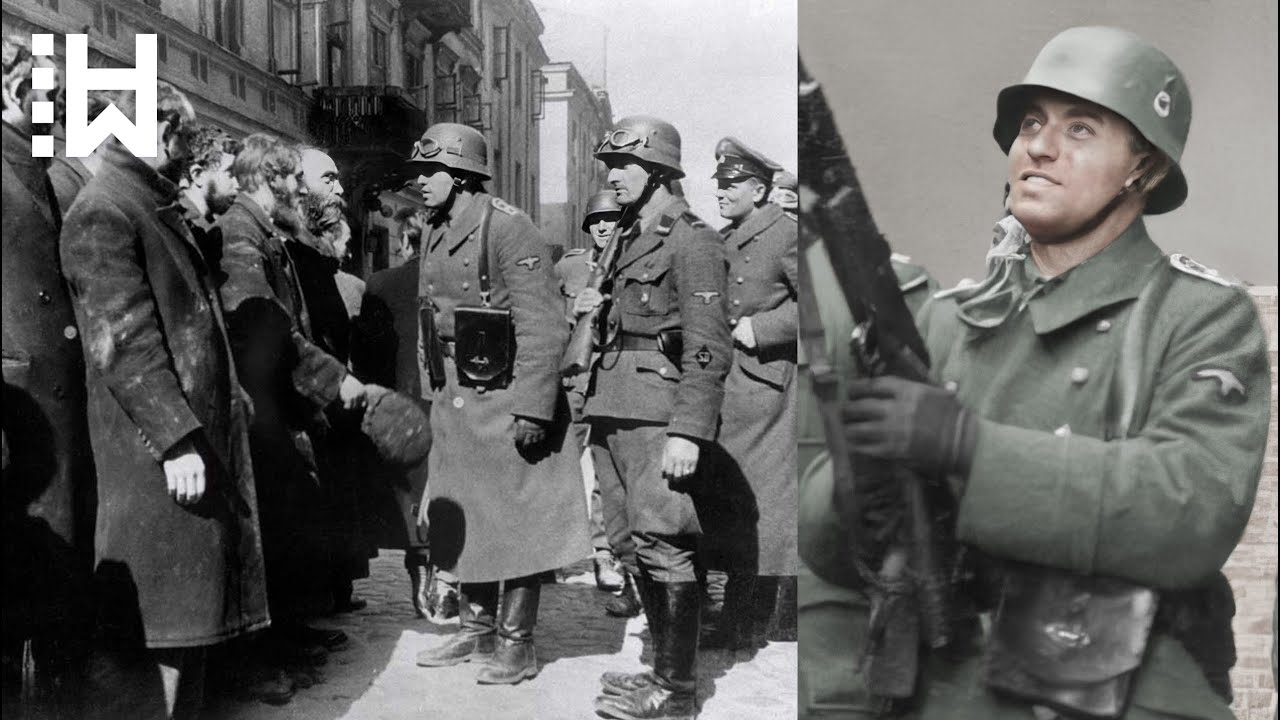
After Adolf Hitler came to power in January 1933, Germany became a dictatorship. The Nazi regime restricted the rights of Jews and established concentration camps. Between 1933 and 1945, Nazi Germany and its allies established more than 44,000 camps and other incarceration sites.
Klaustermeyer worked as a messenger and later as a caretaker in Bielefeld. He joined the Wehrmacht but was discharged on health grounds. In August 1939, he was hired by the Gestapo in Bielefeld.
In November 1940, Klaustermeyer became an employee of the Gestapo in the Warsaw District. In the autumn of 1941, he was assigned to monitor Jews in the Warsaw Ghetto. Known for his brutal and ruthless behavior, he would ride his bicycle into the ghetto and beat and shoot men, women, and children at random.
The Jews in the ghetto gave Klaustermeyer and his comrade Josef Bloscher the nickname “Frankenstein.” In the autumn of 1941, Klaustermeyer shot a Jewish police officer in the Jewish cemetery in Warsaw. In the summer of 1942, he captured six women on Kubieska Street, made them stand against a wall, and shot every second one.
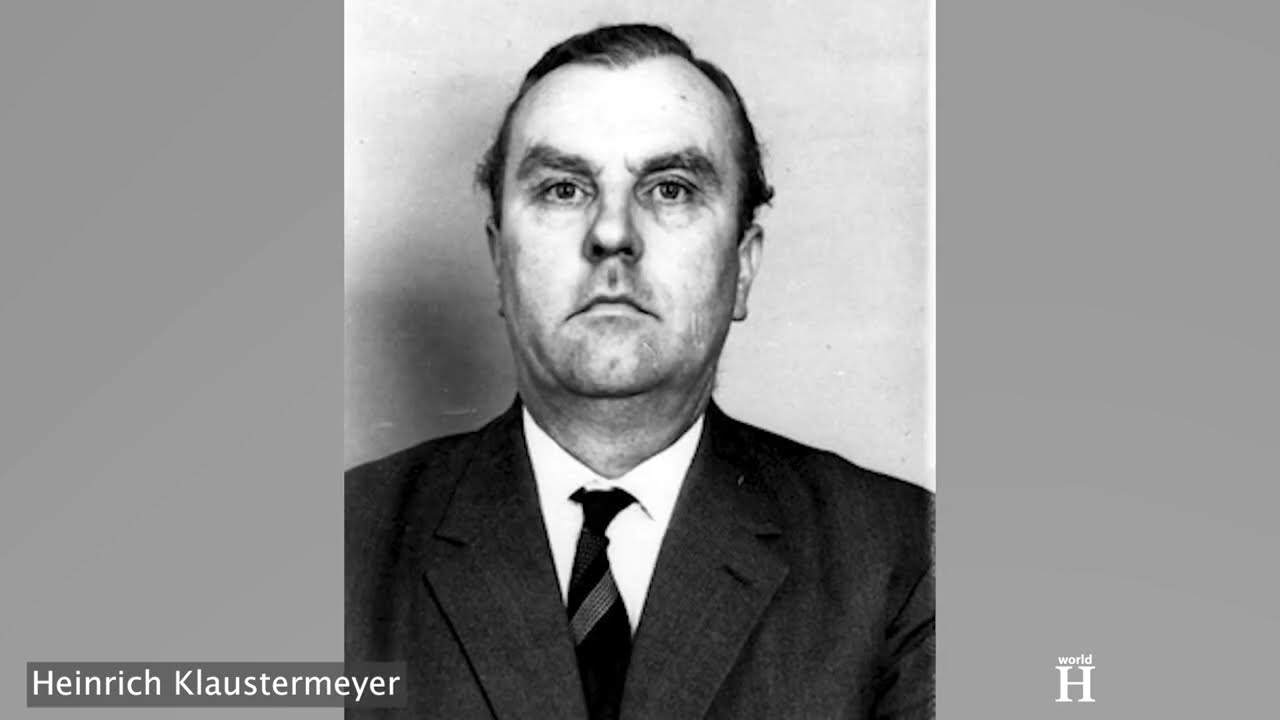
Holocaust survivor Irena Royk reported that in the spring of 1942, she saw Klaustermeyer snatch a child from a woman and throw it onto the street. He then shot the child and then shot the mother. Another witness testified that he had to watch Klaustermeyer shoot his mother, wife, and three-month-old child in the ghetto.
Between the fall of 1941 and February 1943, Klaustermeyer killed 20 Jews on his route between the command office and the ghetto. In August 1942, he shot his own rickshaw driver in the head without any reason.
From July 22 to September 12, 1942, German units carried out mass deportations from the Warsaw Ghetto to the Treblinka killing center. During this period, the Germans deported about 265,000 Jews to Treblinka and killed approximately 35,000 Jews inside the ghetto.
In January 1943, SS and police units returned to Warsaw to deport thousands of remaining Jews. Many Jews resisted, some using small arms smuggled into the ghetto. On April 19, 1943, the Warsaw Ghetto Uprising began. It was the largest uprising by Jews during World War II.
The Germans eventually crushed the revolt, burning and demolishing the ghetto block by block. Approximately 42,000 captured survivors were deported to forced labor camps. At least 7,000 Jews died fighting or in hiding, and another 7,000 were sent to Treblinka.
In 1944, Klaustermeyer participated in the suppression of the Warsaw Uprising, which began on August 1. The Polish Home Army rose against the German occupation, but the revolt was crushed. Around 166,000 people lost their lives in the uprising.
After Germany’s surrender, Klaustermeyer was detained by British forces and sent to an internment camp. He was released in late 1947 but re-arrested for being a member of the Gestapo. He was quickly released, settled in West Germany, got married, and took a job as a driver.
In February 1961, Klaustermeyer was exposed after his name was mentioned during an investigation. He was arrested and admitted to having been a member of the Gestapo in Warsaw from 1941 to 1944. During the investigation, he implicated his comrade Josef Bloscher, who was later executed for his crimes in 1969.
Charged with murdering 20 Jews in the Warsaw Ghetto, Klaustermeyer escaped the death sentence. On February 4, 1965, he was found guilty of murdering nine Jews and sentenced to nine life terms. He was also sentenced to hard labor and ordered to permanently forfeit his civil rights.
The judge noted that the proven victims were killed entirely of his own volition and out of sheer lust for murder. Klaustermeyer maintained his innocence, hated Jews his entire life, and showed no signs of remorse.
Suffering from advanced cancer, he was released from prison on April 8, 1976. Heinrich Klaustermeyer was 62 years old when he died 13 days later, on April 21, 1976.