The Civil War produced many celebrated generals and famous battlefields, but some of its most lethal figures never appeared in official histories. One such man was Jack Henson, a Tennessee farmer whose personal war of vengeance made him one of the deadliest snipers of the era.
Henson was not a soldier by trade. He was an affluent landowner and slaveholding proprietor in Stewart County, Tennessee, in a region known as the Between the Rivers District. The area sat between the Cumberland and Tennessee Rivers, about 100 miles west of Nashville.
When the war erupted, Henson remained neutral. He was advanced in age and ineligible for conscription, and he urged his sons to stay home and tend to the family’s agricultural operations at Bubbling Springs Plantation. One son defied him and enlisted in the Confederate Army.
The rivers near Henson’s property were vital supply corridors for both sides. Union forces moved into the region and targeted two Confederate installations: Fort Henry and the larger Fort Donelson on the Cumberland River. The latter sat within a short distance of Henson’s estate.
Fort Henry fell quickly, but Fort Donelson became a protracted three-day battle with heavy casualties. The Union victory elevated General Ulysses S. Grant and marked a major Confederate decline in the Western theater. Despite the carnage around him, Henson tried to maintain his neutrality under Union occupation.
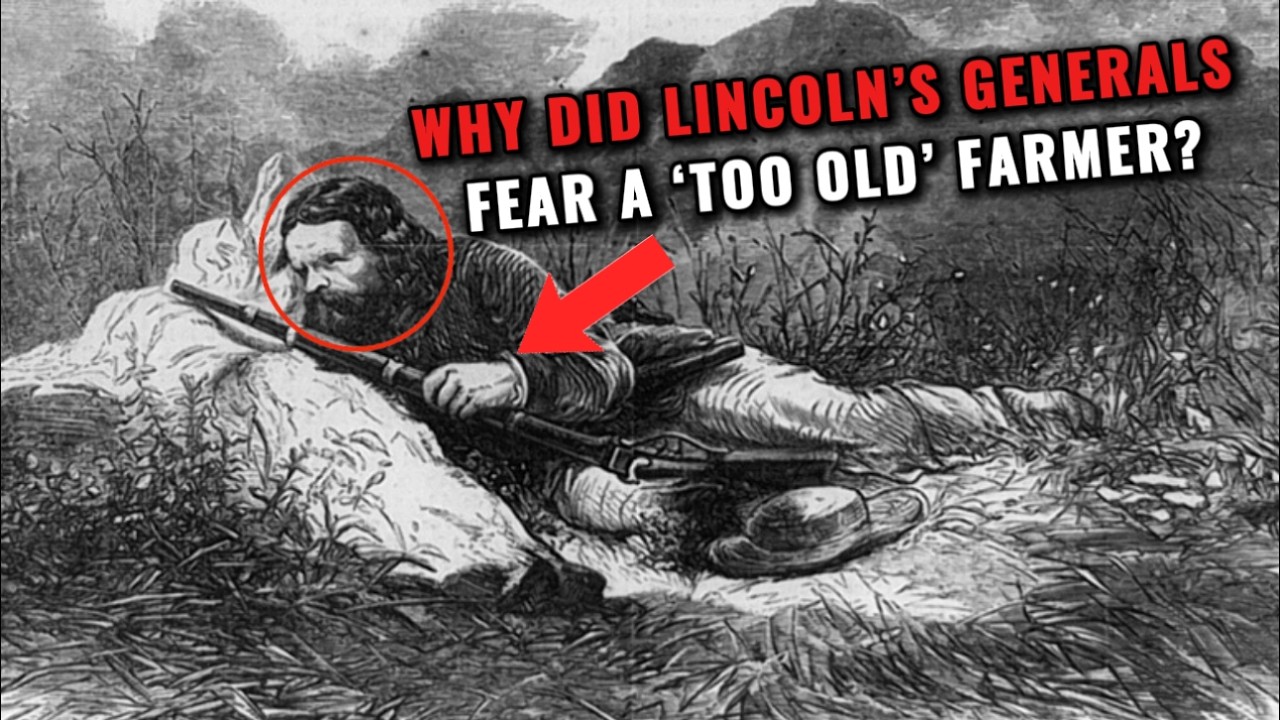
That fragile peace collapsed in the autumn following the fort’s fall. Guerrilla raids, called bushwhacking by Union forces, escalated near Dover. Confederate irregulars launched small-scale ambushes against Federal patrols, and Northern casualties mounted. Union command eventually ordered soldiers to eliminate bushwhackers by any means necessary, adopting a no-quarter policy.
One autumn dawn, Henson’s two sons, aged 17 and 21, went out to hunt. A Union patrol intercepted them, accused them of guerrilla affiliation, and executed them without trial. To amplify the message, troops decapitated the youths and mounted their heads on the gate posts of Bubbling Springs.
The atrocity shattered Henson’s world. He maintained a fragile veneer of routine, but internally he began quietly devising a plan of retaliation. His wealth allowed him to commission an elite gunsmith to forge a custom .50 caliber muzzleloader, a weapon built for surgical lethality.
Henson spent hours mastering the rifle. He also conducted covert reconnaissance on Fort Donelson’s Union patrols, tracking the unit responsible for his sons’ deaths and memorizing their operational patterns.
His campaign began with the ambush assassination of the patrol’s commanding officer and the sergeant who had personally orchestrated the desecration of his sons’ remains. He then resumed farm operations while systematically targeting high-ranking Union personnel, reasoning that officer casualties would maximize psychological impact.

As his body count mounted, Union forces grew suspicious. Guerrilla warfare destabilized the region, and commanders authorized arrests of suspected bushwhackers without evidence. Henson’s former life was collapsing.
Fort Donelson’s commander eventually dispatched troops to Bubbling Springs to apprehend him. A local physician negotiated clemency, sparing Henson temporarily. But he recognized his position was untenable and orchestrated a nocturnal escape, relocating his family 40 miles west across the Tennessee River.
After ensuring their safety, Henson departed alone. He retreated to a riverside ridge with a modest cavern, which became his base of operations. Mounted on his horse and armed with his custom rifle, he established a sparse existence in the grotto.
The Tennessee River’s hydrodynamics created a navigational bottleneck below his hideout. Currents raged through a narrow channel between an island and the shore, forcing Union vessels to slow as they passed. The cave gave Henson both sanctuary and a lethal vantage point.
His method became ritualistic. He monitored the channel until Union supply vessels entered the gauntlet, identified officers on deck through his telescopic sight, and delivered fatal shots to the head or heart. His existence devolved into cyclical violence, divorced from societal norms.

Occasional clandestine visits to his family provided fleeting humanity, but he always returned to the cave to evade Union manhunts and prevent collateral harm to loved ones. Local collaborators sustained him with provisions.
When news of Appomattox reached him, the war had officially ended. But the psychological scars remained. Historical analysts credit Henson with over 100 confirmed kills using primitive ballistics, a body count that places him among history’s deadliest precision shooters.
After the war, Henson discreetly rejoined his family near Danville, operating a grain mill and general store during Reconstruction. His twilight years passed quietly, though constant vigilance remained necessary. Disgruntled Union veterans still sought the man known as the Ghost of the Cumberland.
Henson’s .50 caliber muzzleloader, notched with grim tallies, remains curated by a descendant, Judge Ben Hall McFarland, in Murfreesboro. Periodic museum exhibitions showcase the weapon, its barrel etchings silently testifying to a father’s irreversible transformation.
Jack Henson died in 1905, not on a battlefield but in a quiet Tennessee town. His rifle outlived him, its notches a cipher to a war within the war. Whether he was a hero, a monster, or simply a father who refused to let history bury his sons’ screams remains an open question. The Union burned his home, but not his rage. The Confederacy lost the West, but Henson’s shadow still haunts its rivers.