On a back road in East Tennessee, an old farmhouse sat high on a hill beneath a stand of sugar maples. Two stories tall, it had once been the kind of place that drew the eye. Now its porch roof had collapsed in the far corner, its windows stared out like empty black eyes, and honeysuckle had swallowed the fence line. When a boy riding with his grandmother asked why no one lived there, she pulled the truck over onto a gravel spot and killed the engine.
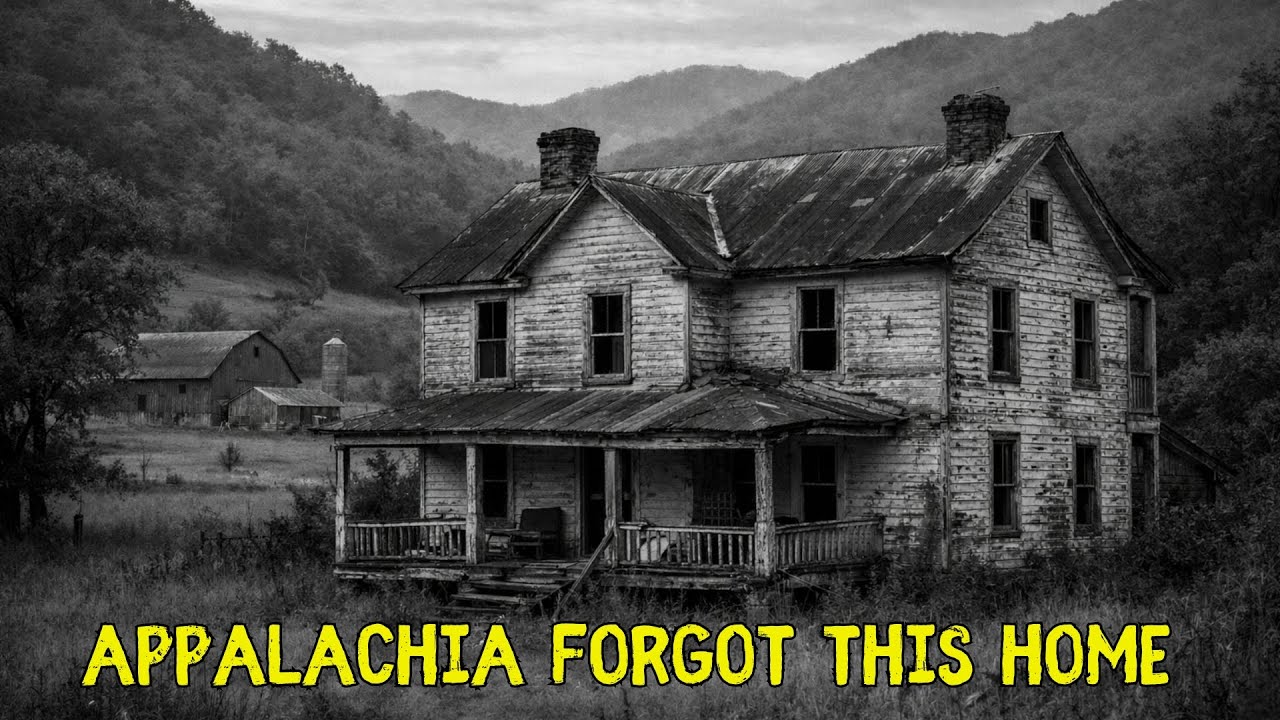
After a long silence, she told him the story of the Miller place. The house had belonged to Joe and Annie Miller. Joe was a big-shouldered farmer who worked from first light until dark, planting corn and tobacco along the creek, keeping a few milk cows and hogs. There was little he could not fix with bailing wire and a hammer.
Annie kept the house shining, with white curtains in every window and flowers growing tall along the porch. They had not always had it easy. Early in their marriage, they lost two babies to a sickness that swept through the valley one winter. After that, Annie could not have more children.
She carried the sorrow quietly, the way women did in those days, but it was there in her eyes if you looked close enough. In spite of that, the two of them were as close as bark on a tree. Every evening they sat side by side on the wide front porch, him with his long legs stretched out, her knitting or mending one of his work shirts, talking low and easy. Folks said they had a good life, or at least the best they could make of it.
Then, in the years right after the war, things began to change. The bank in town changed hands when a man from up north took it over. Tobacco prices dropped, and the big companies started squeezing the small farmers. Joe had two bad years in a row.
The first was drought, the second too much rain. Before long, he fell behind on the note for the place. He told nobody at first. That was how men were raised back then.
A man kept his worries under his hat and hoped nobody saw the difference. Worry, though, does not hide well. Joe started spending more time in town, claiming business at the feed store or the co-op. But word spread that he had been spending more time at the pool hall than was good for him, listening to men who promised a surefire way to catch up on the payments if he just laid down a few dollars on a bet.
When a desperate man gets a dice cup, his grandmother said, he might as well be handed a shovel for his own grave. Annie was nobody’s fool. She knew something was wrong. But every time she asked, Joe waved her off.
There was nothing to fret about, he said. He was working it out. One Sunday evening, Joe came home later than usual. He smelled of sweat and cigarette smoke, and his eyes were dark and hollow, like someone had turned out the lights behind him.
Annie stood at the sink washing the supper dishes. His plate, roast chicken and potatoes, was warming in the oven as always. Joe walked right past it and poured himself a cup of coffee with a shaking hand. When Annie asked if he was all right, he snapped.
He demanded to know why the barn door hinge had not been fixed. Annie held her own, setting down the dish and turning to face him, soap up to her elbows. She told him she had been milking, churning, weeding the back garden, and baking the pie sitting on the counter. Under different circumstances, Joe might have chuckled and kissed her cheek and said something soft.
But worry had gnawed at him until there was little patience left. He told her they were two steps from the poorhouse while she wasted sugar on pie. The whole truth came spilling out. The missed payments.
The bank man’s warnings. The money thrown away at the pool hall. Annie listened without a word, a dish towel hanging limp in her hand. When he finished, the kitchen was as quiet as a churchyard.
She told him he had walked around looking at her as if she were the problem while he lost their home one nickel at a time. He turned red and told her not to turn this on him. He had done what he had to do to keep them afloat. No, she said.
What he had done was what his pride told him to do. He had shut her out. They were supposed to be partners. He did not get to gamble with her life without her knowing.
Married folks fight from time to time. Most quarrels blow over by morning. But sometimes a word gets said that cannot be called back, like a bullet shot out of a gun. Joe told Annie that maybe she should have married a different man.
The place had always been too much for her. Maybe she would have been happier in town with some rich fella, because all she cared about was money. Annie flinched as if he had slapped her. Slowly, she took off her apron, folded it carefully, and laid it on the counter.
She wiped her hands, straightened her shoulders, and walked past him down the hall. When she came back, she carried the old carpet bag she had brought when they first moved into the house. She looked him square in the eyes and said she was going to stay with her sister over in Rutledge for a spell. Maybe once he had time to think, he and this house could decide if they wanted her back as a wife.
Then she walked out the door. If Joe had had a lick of sense, he would have gone after her. Pride has killed more marriages than infidelity ever thought about. But he stood there listening to her footsteps on the gravel and the closing of the gate, telling himself she would come back by morning.
She did not. On her way to her sister’s, Annie’s wagon had to cross the old wooden bridge over Ridgeland Creek. It had been raining hard off and on for a week, and the creek was running high. A man coming from the other side saw it happen.
One of the main beams under the bridge gave way with a groan. The wagon went sideways, the horses panicked and reared. Annie tried to jump clear, but the whole bridge collapsed beneath her. The next morning they pulled her out downstream, but it was too late.
For a long time afterward, folks did not see much of old Joe. He buried her up on the hill behind the house under one of the maples. He put up a stone with her name and two little lambs carved on it, one for each of the babies they had lost. Then he shut himself up in the house like a man doing penance.
He farmed just enough to keep himself alive and pay the bare minimum on the place. He stopped sleeping in the bedroom altogether, making a pallet on the porch or on the floor by the cold stove. He could not stand the bed they had shared all those years without hearing that last argument over and over in his head. Years went by, and life went on around him.
Babies were born, old folks died, wars were started and ended. But Joe Miller’s world shrank. He lived his whole life from the house to the barn to the field and back again. One Thanksgiving, his grandmother went up there with her mama to take him a baked ham.
The pretty house had turned gray and dusty. It felt cold. Grief does that, she said. It will even freeze time if you let it.
Her mama asked if he needed anything. Joe said he had all he deserved. When she started to say something about forgiveness, he cut her off. The Lord could forgive him if he wanted, but he was not sure he could forgive himself.
That winter they found Joe sitting in his chair by the front window, looking out toward the ridge where Annie was buried. The fire had gone cold, and so had he. He had little close kin, so they laid him out right beside Annie beneath the maples. The house has been sitting empty ever since, for nearly fifty years.
When the boy asked if the place was haunted, his grandmother told him the meanest ghosts are the things you wish you had said and did not, and the things you did say that you cannot take back. Always tell the truth sooner and say I love you louder. Then she started the old Ford back to life. The wood of the house was rotten, but the dirt remembered.
The hill had seen its share of sorrow, and its share of love too. And someday, she said, some young couple might drive by and see the sagging roof and busted windows and think they could make something special out of that old place.