Aaron Shamo, a former Eagle Scout from Utah, was sentenced to life in prison without the possibility of parole for running a massive counterfeit opioid operation that grossed millions and contributed to dozens of deaths. The 29-year-old was found guilty of manufacturing and selling fake Oxycodone pills laced with fentanyl, a synthetic opioid up to 50 times stronger than heroin. The trial in Salt Lake City painted a grim picture of a sophisticated dark web empire that operated under the radar, selling deadly drugs to unsuspecting buyers across the country. Shamo’s operation began after his parents cut off funding for his education.
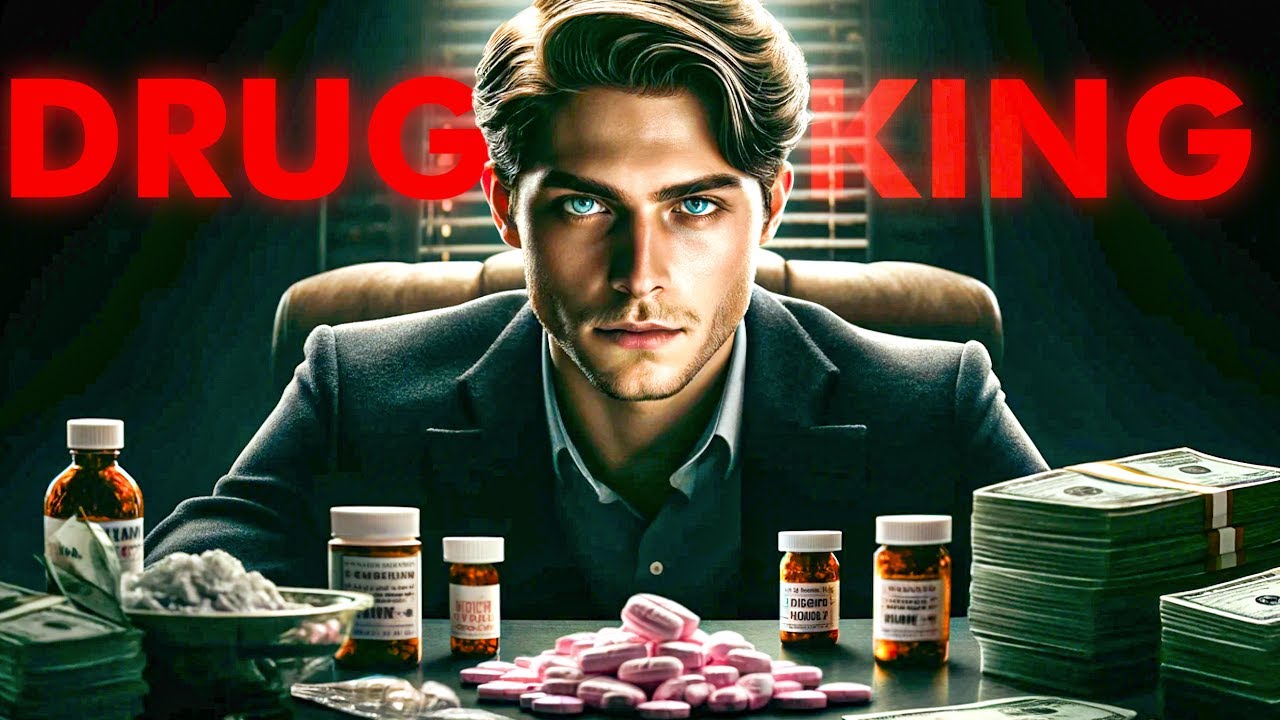
He turned to drug manufacturing, setting up a pill press in his basement with the help of YouTube tutorials. Using fentanyl powder imported from China, he produced counterfeit pills designed to look like legitimate Oxycodone and Xanax, complete with the distinct blue hue of the real medication. The pills were then sold on the dark web under the moniker “Pharma” and shipped through the mail to thousands of customers, often concealed in packages with fake return addresses and invoices to avoid detection. The human cost of Shamo’s operation was devastating.
Tova Kublish, whose son Gavin died after purchasing fake Oxycodone following leg surgery, traveled from Long Island, New York, to attend the trial. She described her son’s tragic death, saying, “There’s never any closure ever. It’s going to be something that’s part of our lives forever. ” Gavin was one of at least 90 people who lost their lives after consuming drugs bought from Shamo’s website, according to prosecutors.
The lethal doses of fentanyl in the counterfeit pills were responsible for these deaths, often striking down young people who believed they were taking safe, legitimate medication. As Shamo’s enterprise grew, so did his profits, reaching an estimated $100,000 per day. He lived a lavish lifestyle, buying a fancy house, a BMW, and taking extravagant trips to Las Vegas. However, his prosperity came at the expense of others, and prosecutors emphasized the moral implications of his actions.
“Shamo made lots of money while hurting people who were addicted to drugs,” said one official, noting that Shamo lived comfortably while his customers suffered and died. Despite the mounting death toll, Shamo continued his operation, seemingly indifferent to the pain he caused. The case took a turn when law enforcement intercepted packages containing fentanyl and other controlled substances. In November, agents executed search warrants at Shamo’s home and those of his associates, uncovering over $1 million in cash in his dresser.
His codefendants, including a childhood friend who served as a runner, received reduced sentences in exchange for testimony against him. They admitted to handling drug packages, using Bitcoin accounts, and delivering drugs across the Salt Lake Valley. Shamo, however, faced the full force of the law, with a mandatory life sentence under the federal “Super King Pin” statute for engaging in a continuing criminal enterprise. The defense argued that Shamo was a first-time offender and that a life sentence was overly severe.
However, the evidence against him was overwhelming. Shamo was convicted on multiple counts, including drug trafficking and money laundering. His story serves as a stark warning about the dangers of the opioid epidemic and the devastating consequences of profiting from addiction. As the judge delivered the sentence, the court heard from families torn apart by Shamo’s drugs, their grief underscoring the real-world impact of his crimes.
Shamo’s fall from grace—from a promising young man to a convicted drug kingpin—remains a cautionary tale of greed, poor choices, and the lives destroyed along the way.