A cache of long-buried correspondence from the summer of 1876 has surfaced, exposing the cascade of tactical blunders and flawed decisions that doomed Lieutenant Colonel George Armstrong Custer and his immediate command at the Battle of the Little Bighorn. The newly revealed documents, penned by journalist Mark Kellogg just days before the catastrophic assault, offer a fresh perspective on a clash that continues to fascinate historians, shifting the narrative from a simple twist of fate to a saga of hubris, intelligence failures, and the resilience of a formidable Native American coalition. Kellogg’s dispatches, originating from the strategic junction of the Rosebud and Yellowstone rivers, paint a stark picture of the logistical nightmares and fragile supply lines that plagued the campaign. The Yellowstone River itself is described as an imposing, churning maelstrom, its fierce currents and treacherous eddies a stark contrast to the more docile Upper Missouri, and a formidable barrier that would test the endurance of men and mounts alike.
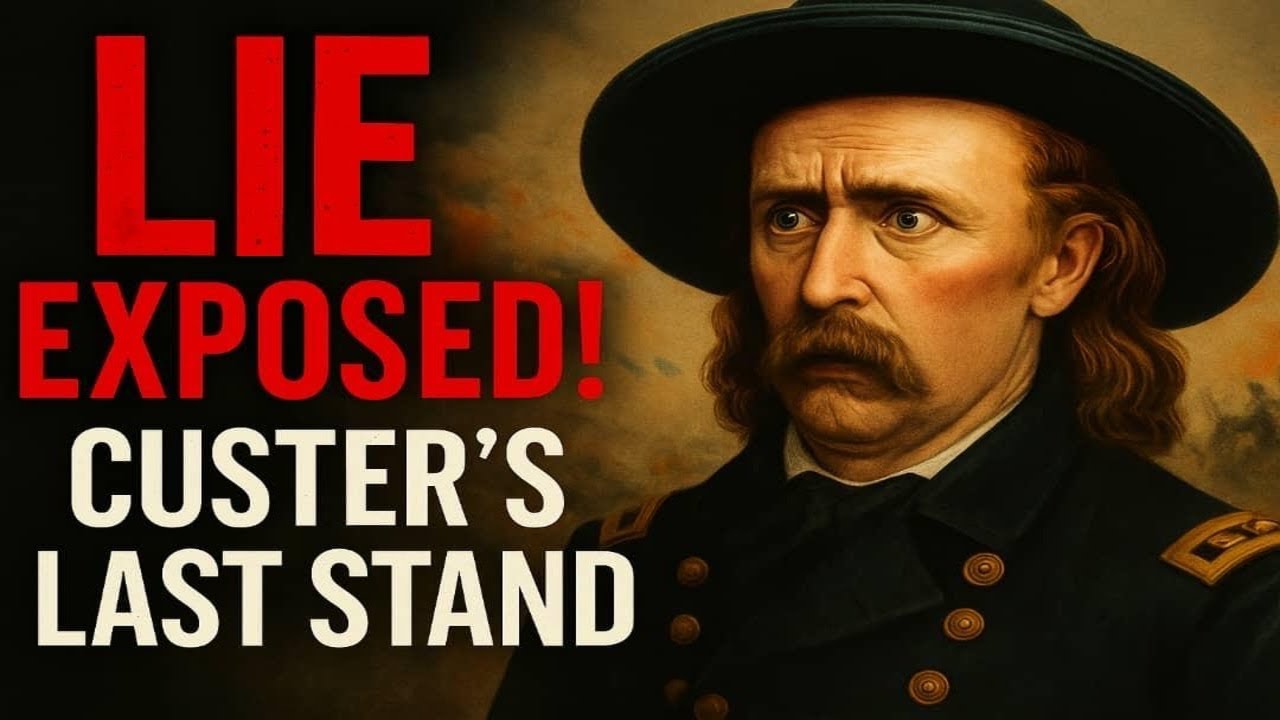
The sheer scale of the frontier is laid bare, with western valleys stretching 30 to 500 miles long, cradling future rail hubs and homesteads, a vastness that made resupply a herculean task. The correspondence details a critical failure of discipline and foresight. Major Marcus Reno, commanding six troops of the 7th Cavalry, flagrantly disobeyed General Alfred Terry’s precise field orders, issued June 10th at Powder River Camp. Instead of adhering to the mapped route, Reno veered sharply south from the Powder-Rosebud junction, stumbling upon a recent and aggressive enemy track.
This deviation, whose motivations remain murky, not only wasted time and energy but also signaled the army’s presence to the very forces they sought to surprise. Even as Custer’s command pressed forward, the documents highlight a series of ominous signs. The discovery of a vast, abandoned native village site, with room for an estimated 1,200 to 1,500 teepees, hinted at the massive tribal gatherings that summer. The absence of buffalo, their erratic migrations driven by seasonal patterns and human pressures, further complicated the army’s advance.
A grim omen emerged when a single soldier, a 6th Infantry Sergeant from Hazen’s outfit, drowned while ferrying dispatches across the Yellowstone, his body never recovered—a stark reminder of the frontier’s unforgiving nature. Kellogg’s writings also cast a revealing light on Custer’s character, describing him as the Army’s most unconventional prodigy, a figure driven by intense passions, forging unbreakable bonds with allies while nursing fierce grudges. His moral compass guided him unswervingly to what he deemed just, earning the devotion of troops who would charge into perdition at his command. The soldiers themselves, including the crack 7th and 2nd Cavalry outfits and the battle-tested infantry regiments, were described as ironclad veterans, their combined firepower capable of overwhelming any foe if unity held.
The campaign’s strategic design was a complex hammer-and-anvil maneuver. Custer’s 650 riders, shedding wagons and canvas to emulate the Spartan ethos of Comanche pony soldiers, were to be the hammer. Simultaneously, Terry’s steamer, the Far West, would probe the Bighorn’s inlet, with Gibbon’s mixed cavalry-infantry force paralleling the Yellowstone’s north bank to block any retreat northward, the anvil. The plan was to force a decisive engagement, but it hinged on intelligence that proved tragically flawed, as prevailing wisdom long held that enemy strongholds were clustered around the upper reaches of the Rosebud and Little Bighorn drainages, prime summer grazing fused with sacred sites.
As the expedition pressed deeper into the Yellowstone trough, the army’s resolve was tested by the very landscape. The commanding officers, including General John Gibbon and General George Brisbin, earned universal acclaim from the journalist for their refined professionalism and storied pasts. Yet, the pursuit was hampered by a natural barricade of frothing river currents, where every crossing spelled potential drowning, preserving enemy morale while testing American forbearance.
The final known outcome, preserved in the correspondence, is one of a crushing, catastrophic defeat, where a series of poor decisions and an underestimation of the enemy’s strength and resolve culminated in one of the most famous last stands in American military history, a stark lesson in the human cost of manifest ambition clashing with ancestral ranges.