Grant arrived at 2 Wall Street shortly after noon to begin his day and was met by an angry crowd demanding the return of their invested money. Suspicious of the scene, he pushed through the crowd and entered the building, where his son delivered the news. The Marine Bank had been closed that morning; Grant & Ward had failed; Ward had fled. The man from Wall Street had swindled them both.
Even the initial investment—the $200,000 Ward was supposed to have raised—was fraudulent. Liabilities exceeded $16 million while total assets amounted to only $57,000. When Grant heard the news, he nodded, but his expression never changed. He looked around for a moment, then silently made his way through the crowd to the elevator and rode up to his office.
There, his son repeated the news: Grant & Ward was bankrupt. The firm was insolvent and buried in debt. The impact on Grant was visible. He collapsed into a chair, gripping its arms.
That evening he returned home with only $80 in his pocket. Julia had $130 in the house. He could not pay the company’s debts, but he made repaying his personal debts a matter of honor. He decided to repay his debt to Vanderbilt, who offered to forgive the loan.
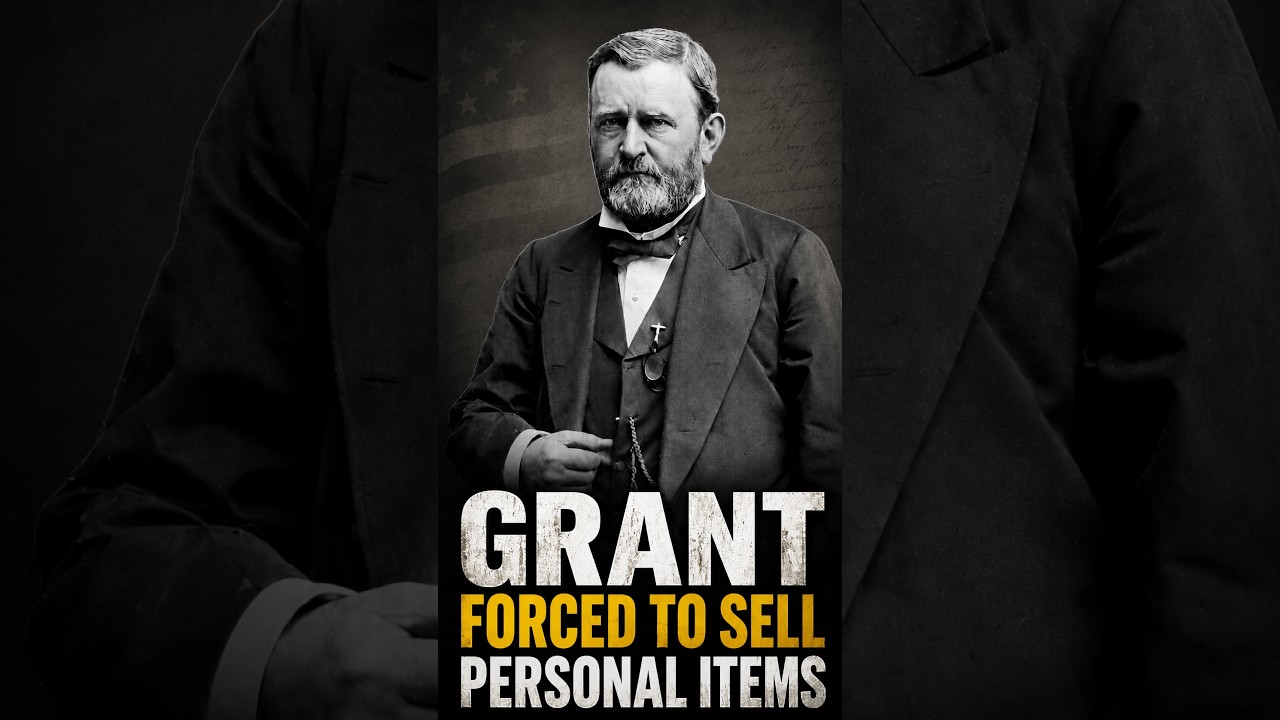
Grant refused. To cover what he owed, he sold the hat ornaments he had worn at the Battles of Belmont and Fort Donelson. He sold the shoulder straps from the uniforms he wore at Vicksburg and Pittsburgh.
He sold a gold model of the table used at the McLean house, the pen used to sign orders, forty gold medals, swords, gifts gathered from around the world, and even his commissions from second lieutenant to four-star general.