The 1985 comedy *Real Genius* may look like a typical campus comedy, but its production history and underlying themes were far more complex than the jokes suggested. Beneath the surface of pranks and one-liners lay Cold War tension, hidden military contracts, and a story about brilliant young minds discovering their work had been secretly weaponized. One of the most famous elements of the film was its finale, in which a corrupt professor’s home erupts with popcorn. What many viewers never realized is that this sequence was achieved practically.
The production built a full-scale exterior set and rigged it with enormous quantities of real popcorn, releasing the kernels in a carefully choreographed burst designed to flood the property in a single take. The crew calculated volume, pressure, and timing so the explosion would fill the frame at the exact moment the laser struck the reflective tile on the roof. The science behind the film’s central laser project received surprising care during development. Director Martha Coolidge consulted with academic researchers and technical advisers familiar with high-energy laser development to ensure the dialogue, equipment, and laboratory atmosphere would hold up to informed scrutiny.
While the laser’s portable size and destructive power were dramatized, the concept of a defense-funded directed energy weapon mirrored real Cold War research programs. Val Kilmer’s portrayal of Chris Knight went far beyond the stock wisecracker the script could have produced. His performance layered the character with exhaustion, sarcasm, and a quiet seriousness that occasionally broke through the goofy exterior. Chris is not lazy but guarded, having learned that the academic system rewards conformity and that brilliant work can disappear into someone else’s pocket.
His pranks and stunts function as a form of resistance against institutional pressure. The fictional Pacific Tech university was modeled on the California Institute of Technology, known for its elite academic culture and elaborate student pranks. Many background details in the film were lifted from real campus traditions, including high-concept stunts and obsessive workloads. The screenplay channeled that mischievous spirit throughout, creating a world where extreme intelligence and extreme silliness coexisted naturally.
Unlike most teen comedies of the era, *Real Genius* treated intelligence as a point of view rather than a punchline. The humor flowed from characters being too clever for their situations, with comedy emerging from creativity rather than embarrassment. This underlying respect for its own characters helps explain why the film has aged better than most of its contemporaries. Coolidge approached the project as a serious film about young scientists and layered comedy on top of that foundation.
Her preparation reportedly included visits to research institutions and conversations with working physicists. This homework shows in the authentic clutter of the labs, the rhythm of students talking over each other, and dorm walls covered in real-looking formulas and half-built gadgets. The film also offered an honest portrait of elite academic pressure. Mitch, a 15-year-old prodigy, arrives at Pacific Tech and immediately discovers that being the smartest kid in his hometown means nothing in a place where everyone was.
His loneliness and sleepless nights form the quiet emotional engine of the story. Chris Knight’s relaxed attitude reads differently once this pressure is understood, as his behavior becomes a survival strategy rather than laziness. The running gag about Laszlo Hollyfeld’s endless sweepstakes entries was rooted in genuine probabilistic thinking. The character was exploiting loopholes in consumer contests using real analytical skills, fitting the Caltech-flavored world perfectly.
The joke worked on two levels, funny on the surface while sharper viewers understood the plausible mathematics beneath it. An ice rink sequence, in which students take over a closed facility late at night, provided the film with necessary emotional balance. The scene allowed Mitch and Jordan to connect without a conventional romantic montage and gave the characters inner lives worth defending. Without that moment of warmth, the third act rebellion would have lacked its emotional stake.
Laszlo’s character carried one of the darkest ideas in the film. He is a former student whose brilliance was exploited and abandoned by the same system now celebrating the new generation. His hidden life in the steam tunnels functions as a quiet warning about what Mitch could become and what Chris is actively fighting not to become. The true antagonist was Professor Jerry Hathaway, a polished figure who converted his students’ breakthroughs into personal currency.
His villainy was recognizable because it was institutional, smiling, signing off on grants, and hiding the laser’s true purpose from the people building it. He represents the academic system itself, and the rebellion becomes meaningful because the film took time to define what the students are rebelling against. The studio path to production was messy. The screenplay passed through multiple writers and revisions, with earlier drafts reportedly leaning harder into broad teen comedy territory.
Coolidge helped pull the material toward something smarter, but the negotiation between studio expectations and directorial instincts continued throughout development. The production schedule was compressed, requiring crowded campus scenes, intricate laboratory sequences, and one of the decade’s largest practical gags within a tight window. Every laser shot required careful setup, every prank sequence had to be choreographed precisely, and the crew worked long days to make the difficulty invisible. Filming lasers presented a unique physics problem, as real beams are essentially invisible to cameras.
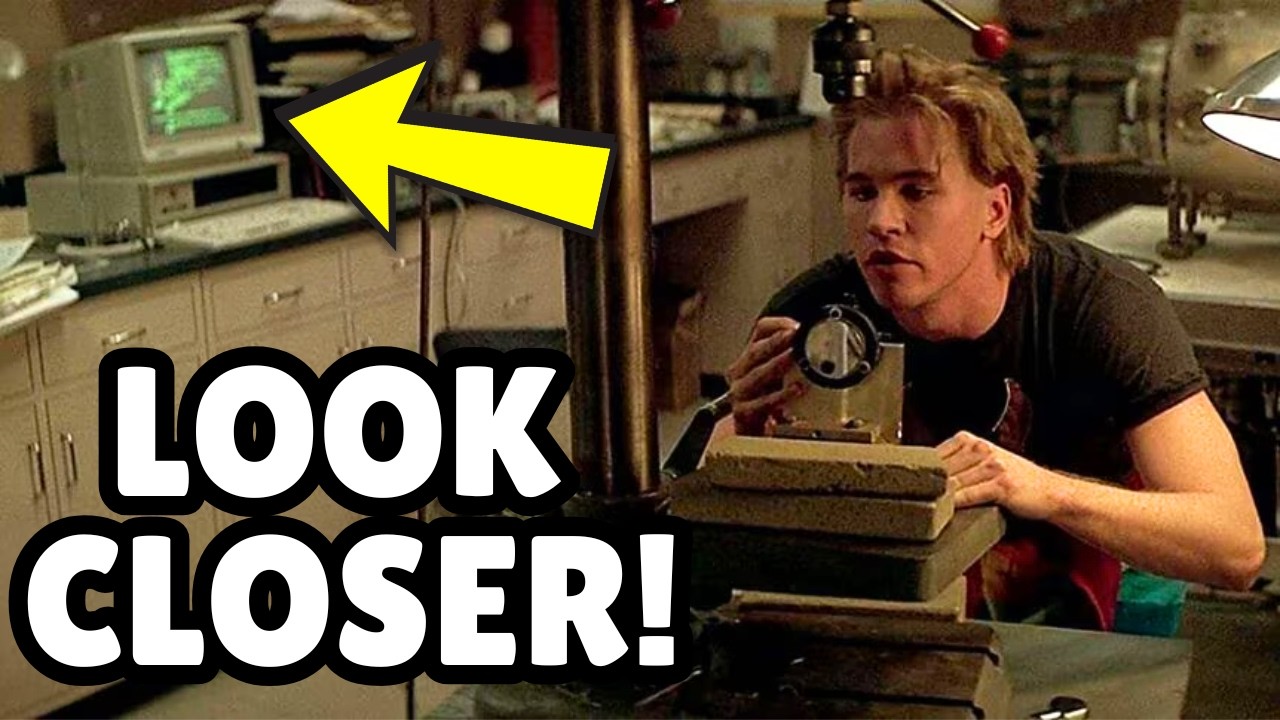
The crew manipulated atmospheric effects, controlled smoke, and careful lighting to give the lasers visible shape while keeping them grounded in something resembling actual scientific behavior. Real 1980s computing hardware filled the background of laboratory scenes, including early personal computers, oscilloscopes, and signal generators. These details grounded the film in a recognizable version of engineering culture, quietly documenting what would later be called geek culture before the term had fully emerged. Jordan Cochran broke the standard template for female characters in campus comedies.
She was restless, brilliant, and entirely uninterested in performing conventional femininity. Her relationship with Mitch developed through shared strangeness rather than manufactured chemistry, a genuinely progressive choice for the era. William Atherton’s portrayal of Hathaway was built on unsettling familiarity. He delivers selfish decisions in a calm, reasonable tone, reframing exploitation as mentorship.
His restraint is what makes his downfall satisfying. The use of *Everybody Wants to Rule the World* over the closing sequence elevated the popcorn chaos into something iconic. The song’s ironic meditation on power and control paired perfectly with the destruction of an ambitious man’s carefully maintained image. The film was not an instant hit.
Opening in the crowded summer of 1985, it received modest theatrical numbers before gaining its reputation through cable rotations and home video rentals. Each rewatch deepened loyalty, and the film’s underdog trajectory mirrored the story it told. Early critics recognized the film’s unusual qualities, praising its respect for intelligent characters and willingness to let comedy emerge from competence. This early recognition disproves the notion that the film’s reputation is purely a product of nostalgia.
The fictional Pacific Tech campus was actually a cinematic patchwork assembled from multiple Southern California locations. Production designers ensured visual consistency across sites so audiences would never notice the geography shifting between cuts. Decades later, the property briefly returned to active development as a television reboot. Reports indicated it would have been a workplace comedy adaptation reframing the world for a streaming audience rather than continuing the original story.
The project ultimately did not move forward into production. The film’s central moral lesson is that the students defeat Hathaway not because they are smarter but because they finally realize what their work is being used for and choose to act. The conflict is genius forced to decide whether intelligence carries responsibility beyond solving the puzzle in front of it.
That moral clarity, more than any single laser shot or popcorn explosion, is the real source of the film’s lasting power.